





Large-Scale Testing Challenges Common Assumptions
Concerns about costly battery replacements often dominate conversations around secondhand electric vehicles. Stories of repair bills exceeding five figures have led some buyers to approach older EVs with caution. However, fresh data from a U.K.-based battery analytics firm suggests those fears may be overstated in many cases.
Generational, a company specializing in evaluating battery condition, analyzed more than 8,000 electric vehicles during 2025. The vehicles represented 36 different brands and ranged in age from under one year to as old as 12 years, with some examples showing up to 160,000 miles on their odometers. The overall findings point to stronger battery durability than many shoppers might expect.

Average Capacity Remains High
Across the full dataset, the average remaining battery capacity measured 95.15% of the original specification. In other words, most tested vehicles retained nearly all of their factory-rated energy storage capability.
The company stated that real-world performance indicates battery wear is generally less severe than early critics anticipated. According to its analysis, many packs continue to operate above warranty thresholds even as vehicles accumulate age and mileage. In numerous instances, the battery is projected to last as long as—or longer than—the vehicle itself.
It is important to note that the sample leaned toward newer vehicles. A significant portion of the cars evaluated were five years old or younger, which likely contributed to the high average score. Additionally, vehicles that had already been removed from service due to severe battery failure would not appear in the dataset.
Degradation Patterns by Age
Breaking the data down by age reveals a gradual decline rather than a dramatic drop-off.
Vehicles aged 2–3 years showed a median health score of 96.94%. For those in the 3–4-year bracket, the figure dipped slightly to 95.17%. Even in the oldest group studied—vehicles between 8 and 12 years—median capacity stood at 85.04%.
These numbers indicate that while degradation does occur, it tends to unfold progressively over time. The presence of lower-performing examples increases as cars age, but many older vehicles still maintain substantial usable capacity.
Generational also highlighted widening variability among older EVs. When examining the 25th and 75th percentiles, the spread becomes more noticeable. In the 4–5-year category, the bottom 1% of vehicles retained just over 80% of their original capacity, illustrating that outliers exist even within relatively young cohorts.
Usage Habits Matter More Than You Think
Battery condition is influenced by more than just age. Charging patterns, environmental exposure and depth of discharge all play significant roles in long-term performance.
Frequent use of high-speed charging, repeated depletion to very low charge levels and operation in extreme temperatures—particularly cold climates—can accelerate wear. Earlier generations of battery chemistry may be more sensitive to these stress factors compared with newer designs.
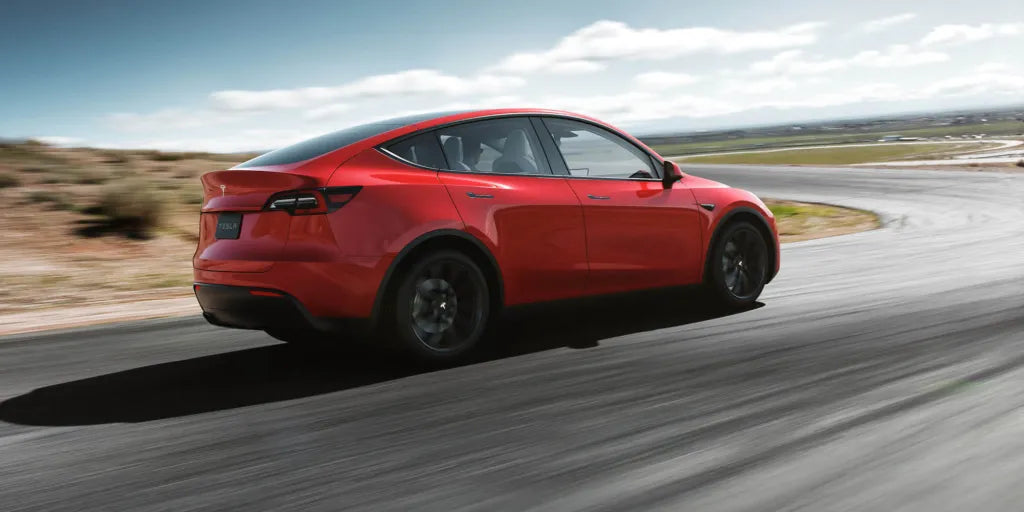
Anecdotal evidence reinforces this point. For example, a 2019 Tesla Model 3 with 113,000 miles was recently reported to retain approximately 79% of its initial capacity. That figure represents higher-than-average degradation, attributed in part to heavy reliance on fast charging and prolonged operation in cold conditions.
Mileage Is Not a Reliable Shortcut
One of the study’s more notable findings is that odometer readings alone do not offer a precise gauge of battery health. Vehicles exceeding 100,000 miles frequently demonstrated between 88% and 95% of their original capacity, regardless of age.
This suggests that two vehicles with similar mileage may have very different remaining range potential, depending on how they were driven and charged. Conversely, a higher-mileage example is not automatically at risk of imminent battery failure.

Implications for the Used EV Market
Generational argues that broader adoption of standardized battery testing could help reduce uncertainty in the secondhand EV market. Clear, verified health reports would allow buyers to distinguish between well-maintained vehicles and those with accelerated wear, potentially supporting stronger resale values.
At present, uncertainty surrounding battery longevity remains a barrier for some consumers. Two identical vehicles on a dealership lot may look the same, but differences in charging history and operating environment can produce meaningful variation in remaining capacity.
Yet the broader trend emerging from multiple studies aligns with Generational’s conclusions: most modern EV batteries degrade more slowly than early skeptics predicted. For buyers considering a relatively recent electric vehicle—particularly one only a few years old—the data indicates that catastrophic battery decline is uncommon.
While exceptions exist, the overall evidence suggests that battery durability is becoming less of a gamble and more of a measurable, manageable factor in used EV ownership.
Recommend Reading: How to Preserve Your EV Battery Life Over Time


Share:
Why Nissan Delayed the Cheaper Leaf EV in the U.S.
Donut Lab Says Solid-State Battery Test Results Are Imminent