





Record Losses and Strategic Reassessment
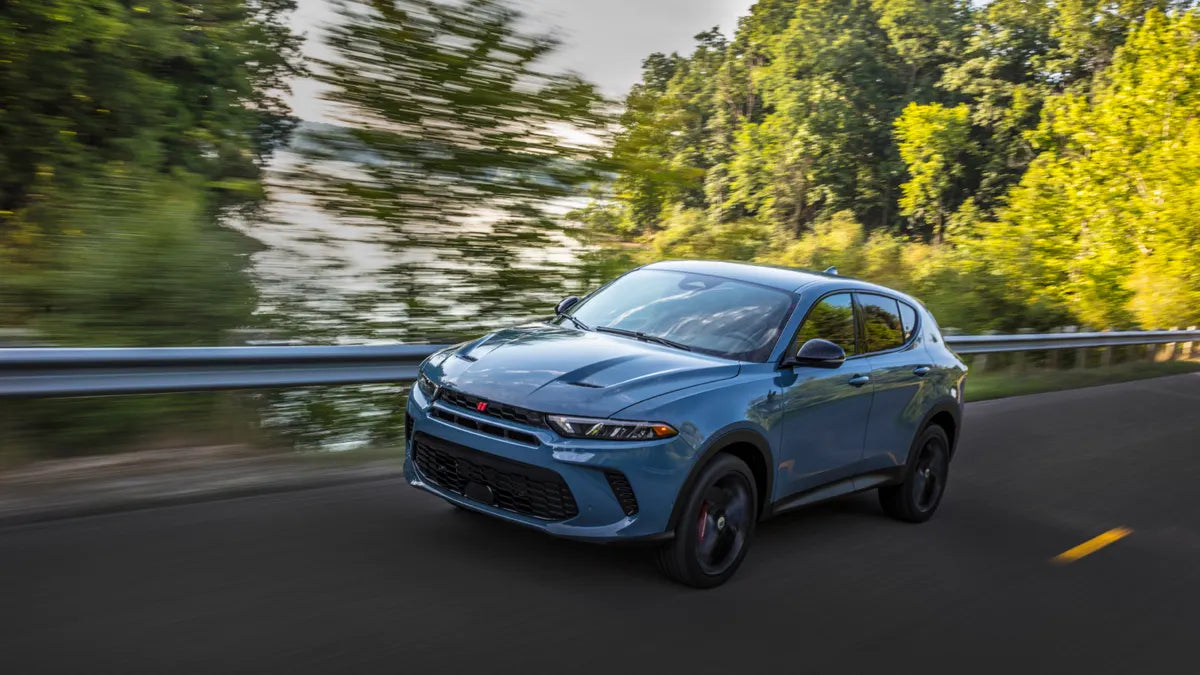
Stellantis, the multinational automaker formed in 2021, has posted its first annual loss since its creation. The company reported a $22.3 billion net loss for 2025, largely tied to $25.4 billion in special charges. Executives attribute much of the financial damage to misjudging how quickly consumers would transition to electric vehicles.
Leadership now acknowledges that its electrification strategy moved ahead of actual demand. According to CEO Antonio Filosa, the company overestimated the speed of the energy transition and is now restructuring its portfolio to give buyers broader powertrain options, including gasoline, hybrid, and electric models.
EV Rollout Fell Short of Expectations
Despite publicly emphasizing electrification, Stellantis’ electric lineup has struggled in key markets. In the United States, the group introduced battery-powered models such as the Fiat 500e, Dodge Charger Daytona, and Jeep Wagoneer S, but none gained significant traction. Reviews have been mixed, and sales volumes remain limited.
In Europe, where the company offers a wider array of EVs, performance has also been underwhelming. The Citroën e-C3 and Peugeot e-208 are among its stronger performers, yet they trail competitors such as the Renault 5 E-Tech in overall sales rankings.
Compounding the issue, many Stellantis EVs share underlying platforms, battery packs, and electric motors. While this approach reduces development costs, it has also led to products that feel too similar in a segment where differentiation matters.

Costs Beyond Electrification
While the EV shift played a central role in the losses, it was not the only factor. The company also recorded expenses tied to updated warranty provisions and workforce reductions in Europe. Thousands of employees—particularly in Italy—left the company, triggering substantial severance obligations.
Supply chain disruptions related to battery sourcing and manufacturing adjustments further added pressure. These costs, combined with soft EV demand, intensified the financial strain during 2025.
Signs of Recovery in the Second Half
Despite a difficult first half, Stellantis reported improved performance later in the year. Revenue in the second half of 2025 rose 10% year over year, and deliveries climbed 11%, or 277,000 vehicles, reaching 2.8 million units. Much of this growth came from North America, where shipments increased 39% compared to the previous year.
This rebound was driven in part by renewed focus on high-margin brands such as Ram and Jeep. Both had faced challenges, including quality concerns, elevated pricing, and the discontinuation of popular V-8 engines. In response, Ram reinstated the Hemi V-8, and Jeep implemented significant price adjustments to stimulate demand.
Given that these brands historically generate a substantial share of profits, restoring their competitiveness has become central to Stellantis’ turnaround strategy.
Product Decisions Reflect a Shift in Priorities
Recent product announcements signal a recalibration. The company canceled the fully electric Ram 1500 pickup, opting instead to proceed with an extended-range variant. It also discontinued plans for the all-electric Maserati MC20 Folgore, even after years of development.
At the same time, Stellantis has leaned more heavily into hybrid offerings. Many new launches now provide electrified options alongside combustion engines. A symbolic example of this pivot is Fiat’s decision to reintroduce a gasoline-powered version of the 500, which had previously been marketed exclusively as an EV in certain regions.
One of the few dedicated EV launches last year was the DS N°8, positioned as a premium alternative to the Tesla Model Y. However, it remains unclear whether that model alone can significantly shift the company’s electric sales trajectory.

A Broader Strategy Reset
Filosa has emphasized that 2026 will center on closing operational gaps and rebuilding profitability. The company plans to refine execution, improve product quality, and ensure new models better reflect consumer demand patterns.
Stellantis still maintains a wide electric portfolio, but future vehicles are expected to offer clearer distinctions between brands. Rather than relying on uniform architectures, the company intends to create products with stronger identities to compete in increasingly crowded EV segments.
The experience of 2025 underscores a broader lesson within the auto industry: timing matters as much as technology. Investing heavily in electrification without matching real-world adoption rates can create significant financial exposure. Stellantis is now attempting to rebalance its strategy, betting that flexibility across powertrains will stabilize earnings while it continues to invest in electric development.
Recommend Reading: Stellantis Expands U.S. Recall Over Brake Pedal Failure Risk in PHEV Models











Share:
Volvo Initiates Recall for Over 40,000 EX30 EVs Due to Battery Fire Risk
Does the Volvo EX30 Now Support Vehicle-to-Load Charging?