





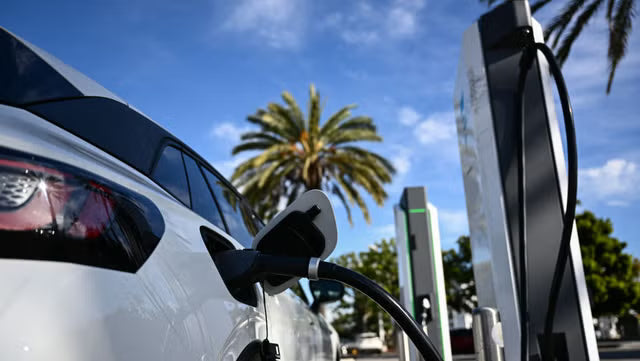
As the Trump administration pushes forward with the Big Beautiful Bill Act, which includes plans to roll back the $7,500 federal EV tax credit, many electric vehicle (EV) buyers and industry players are looking to state governments for continued support. The shifting federal landscape could have significant impacts on EV affordability, adoption, and infrastructure—especially for first-time buyers and lower-income households.
But even as federal support fades, several U.S. states are stepping in with robust local incentive programs, aiming to keep EV adoption on track. In this article, we’ll explore which states are taking action, what kind of incentives they’re offering, and how this patchwork of policies may shape the next phase of EV expansion.
California: Reinventing Incentives with State and Utility Support
California, long a leader in clean energy policy, has not been idle in the face of federal withdrawal. While the Clean Vehicle Rebate Project (CVRP) officially closed due to depleted funds in early 2024, Governor Gavin Newsom announced plans to reinvest in EV incentives using proceeds from California’s carbon cap-and-trade program.
In the interim, local utility companies are bridging the gap:
- Southern California Edison (SCE) offers up to $1,500 rebates for new EV purchases and home Level 2 charger installations.
- Silicon Valley Power, LADWP, and others also offer NEMA 14-50 outlet installation rebates and portable charger subsidies.

Washington State: One of the Most Generous Programs in the U.S.
Washington has emerged as one of the most ambitious states in terms of EV support. In early 2024, the state legislature approved an expanded budget for its Clean Energy Transformation Act, which now includes:
- Up to $9,000 in purchase incentives for low-income households buying new EVs
- Up to $2,500 for used EVs
- $85 million in new funding for workplace and multifamily Level 2 charger installation grants
Delaware: Steady, Practical Support
While smaller in scale, Delaware's Clean Transportation Incentive Program has quietly extended its rebate program through 2025. Qualifying residents can receive:
- Up to $2,500 for new EV purchases
- A growing network of public charging stations subsidized by the state
Since its inception, the program has distributed over $12.8 million in rebates and helped more than 5,500 drivers make the switch to electric.
Maryland: Incentives Reinstated After Federal Cuts
Following signs of reduced federal support, Maryland reinstated its state EV tax credit in 2023, offering:
- Up to $3,000 for electric vehicles
- $2,000 for plug-in hybrids
- $700 reimbursement for home Level 2 charger installation
Maryland’s program is particularly appealing for homeowners investing in home charging setups or portable chargers.
Colorado: Urging Residents to Act Before Discounts Decline
Colorado has long offered generous rebates, up to $5,000, but as federal support retracts, the state has begun signaling reductions. According to Colorado Public Radio, current discounts may phase out in 2025, with local officials urging residents to “buy now before incentives shrink.”
Broader Trends: Bipartisan Momentum and Regional Gaps
Despite the highly political nature of federal energy policy, a number of Republican-led states are also expanding or maintaining EV incentives. A recent Politico report highlights how even some conservative lawmakers in California and other regions are supporting local EV growth to stimulate clean tech investment and infrastructure jobs.
At the same time, EV access is becoming increasingly dependent on ZIP code, with some states offering thousands in rebates while others provide none. This fragmentation could widen adoption gaps and complicate the market for OEMs and third-party accessory manufacturers alike.
What This Means for EV Buyers
As state-level programs evolve, consumers will need to take a more proactive role in researching incentives and coordinating local utility rebates, state credits, and remaining federal benefits (such as leasing loopholes).
Here are a few takeaways:
- If you're considering buying an EV, act sooner rather than later, especially in states like Colorado or Maryland where support may not last.
- Portable charging solutions, such as Level 2 chargers with NEMA 14-50 plugs, can help future-proof your investment regardless of incentive changes.
- Lease deals may still qualify for commercial federal tax credits, offering an alternate path to savings even as direct consumer credits vanish.

Final Thoughts
The rollback of the federal EV tax credit under the Trump administration will undeniably create short-term headwinds for the industry. However, states like California, Washington, and Maryland are already stepping up to fill the gap. While the future of nationwide incentives remains uncertain, these state-driven programs demonstrate that policy leadership is increasingly local—and that informed buyers can still benefit significantly from Level 2 charger rebates, NEMA outlet upgrades, and home charging incentives.
As always, staying up to date with your state’s EV policies could be the key to unlocking thousands in savings—and contributing to a cleaner transportation future.
Recommended Reading: Understanding the New EV Loan Interest Deduction


Share:
EV Depreciation Explained: Models That Keep Their Value
How Much Does It Cost to Replace a Tesla Battery in 2025?