



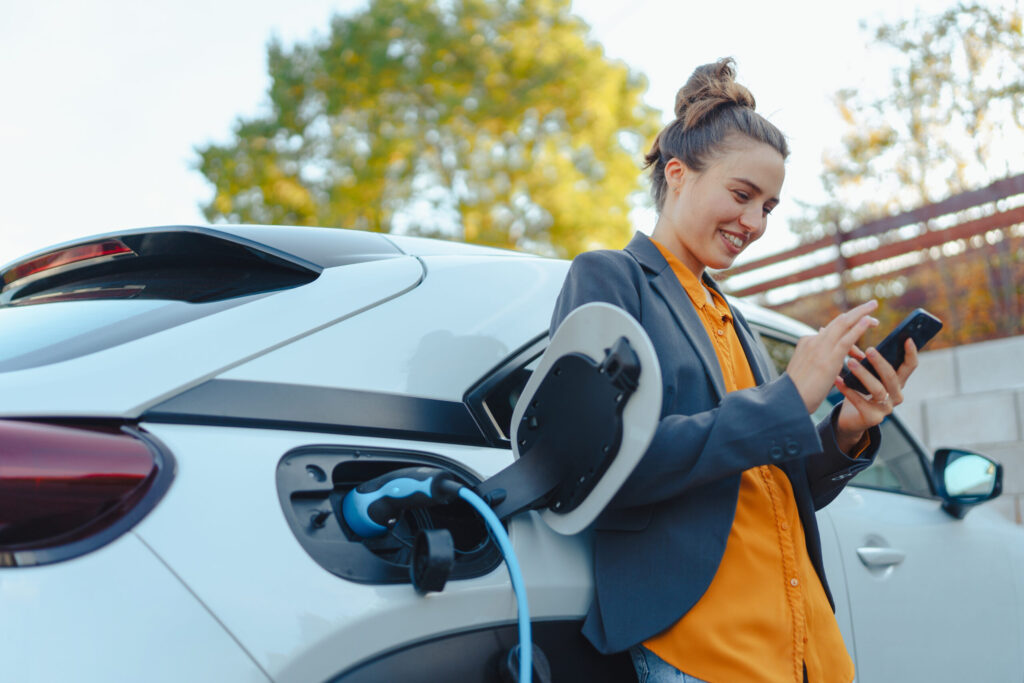
As electric vehicles (EVs) rapidly become the mainstream choice for personal transportation, more first-time EV buyers are entering the market than ever before. Whether you're drawn by lower fuel costs, environmental impact, or cutting-edge technology, owning an EV involves a learning curve distinct from traditional gas-powered cars. Here’s what every new EV owner needs to know to make the most of their electric driving experience.
1. Understand Your Charging Options
Unlike gasoline cars, EVs "refuel" through electricity—and not all charging is created equal. There are three primary levels of EV charging:
Level 1 (120V)
-
Plug into a standard household outlet
-
Adds about 3–5 miles of range per hour
-
Best for overnight charging with short daily commutes
Level 2 (240V)
-
Requires dedicated home EV charger or public station
-
Adds 20–40 miles of range per hour
-
Ideal for home installation if you drive more than 30 miles per day
Level 3 / DC Fast Charging
-
Adds 80% charge in 20–45 minutes
-
Common at highway rest stops and EV corridors
-
Not recommended for daily use, as frequent fast charging can degrade battery life
🔌 Pro Tip: Have a licensed electrician inspect your panel before installing a Level 2 charger at home.
2. Battery Health and Long-Term Care
EV batteries are designed to last 10–15 years or more, but how you charge and drive can impact their longevity. Here’s how to take care of your battery:
-
Avoid full 100% charges unless needed for road trips
-
Keep daily charge between 20–80% for optimal longevity
-
Limit fast charging when not necessary
-
Park in shaded or temperature-controlled areas in extreme heat
Most manufacturers offer 8-year or 100,000-mile battery warranties, but maintenance of good habits will extend usable life well beyond that.
3. Understand Maintenance Differences
EVs have far fewer moving parts than internal combustion engine (ICE) vehicles, which means:
-
No oil changes
-
No spark plugs or timing belts
-
Less brake wear thanks to regenerative braking
However, maintenance still matters:
-
Rotate tires every 5,000–7,500 miles
-
Check brake pads and coolant for the thermal management system
-
Replace cabin air filters regularly
🛠 Follow the recommended service schedule from your vehicle’s manufacturer to avoid warranty issues.
4. Tax Incentives and Rebates
Many new EV owners are eligible for:
-
Federal tax credit (up to $7,500 in the U.S., depending on eligibility and vehicle origin)
-
State/local incentives, including rebates, HOV lane access, reduced tolls, or charging grants
💸 Always check www.fueleconomy.gov or your local government website before purchase to claim all available incentives.
5. Software and Updates
Modern EVs are often more like smartphones on wheels. Over-the-air (OTA) updates can:
-
Improve range or charging speed
-
Add new driving features (like advanced driver-assist)
-
Fix bugs and improve infotainment
Make sure your vehicle’s connectivity is active and software is set to auto-update when possible.
6. Know Your Charging Etiquette
Public charging stations are a shared resource. Key etiquette includes:
-
Move your vehicle once charged (especially at DC fast chargers)
-
Do not unplug others' vehicles without permission
-
Report broken chargers in apps to help other drivers
-
Don’t block charging spots if not actively charging
⚠️ Some networks may charge idle fees if your car remains plugged in after it reaches 100%.
7. Plan for Home Charging
If possible, install a Level 2 charger at home. Consider:
-
Charging speed (kW rating)
-
Cable length and plug type
-
Smart features like scheduling and energy monitoring
-
Compatibility with your utility’s time-of-use rates
🔧 Installation costs can range from $500–$2,000, but many areas offer rebates for equipment and installation.
8. Join the EV Community
EV owners are often enthusiastic and supportive. Consider joining:
-
Local EV owner groups
-
Online forums or Reddit communities
-
Automaker apps that foster driver interaction and experience sharing
These communities are great for learning tips, troubleshooting issues, and staying up-to-date on changes in charging infrastructure or software.
Final Thoughts
Buying your first EV is the start of an exciting journey—one that transforms not only how you drive, but also how you think about transportation. While there’s a bit to learn at the beginning, today’s EVs are easier than ever to use, maintain, and enjoy. With proper knowledge and preparation, you’ll get the most out of your EV from day one.
Author: Lay Wen
Recommended Reading: EV Charger Buying Guide: How to Choose the Right Home Charging Solution


Share:
How Far Does a Kia EV6 Go on a Full Charge?
The Impact of Trump’s Big Beautiful Bill on the EV Leasing Market
1 comment
Great tips for new EV owners! Understanding the ins and outs of electric driving is key to maximizing the experience. Thanks for providing this essential guide to get the most out of owning an EV! – www.richmondhillevexperts.com