





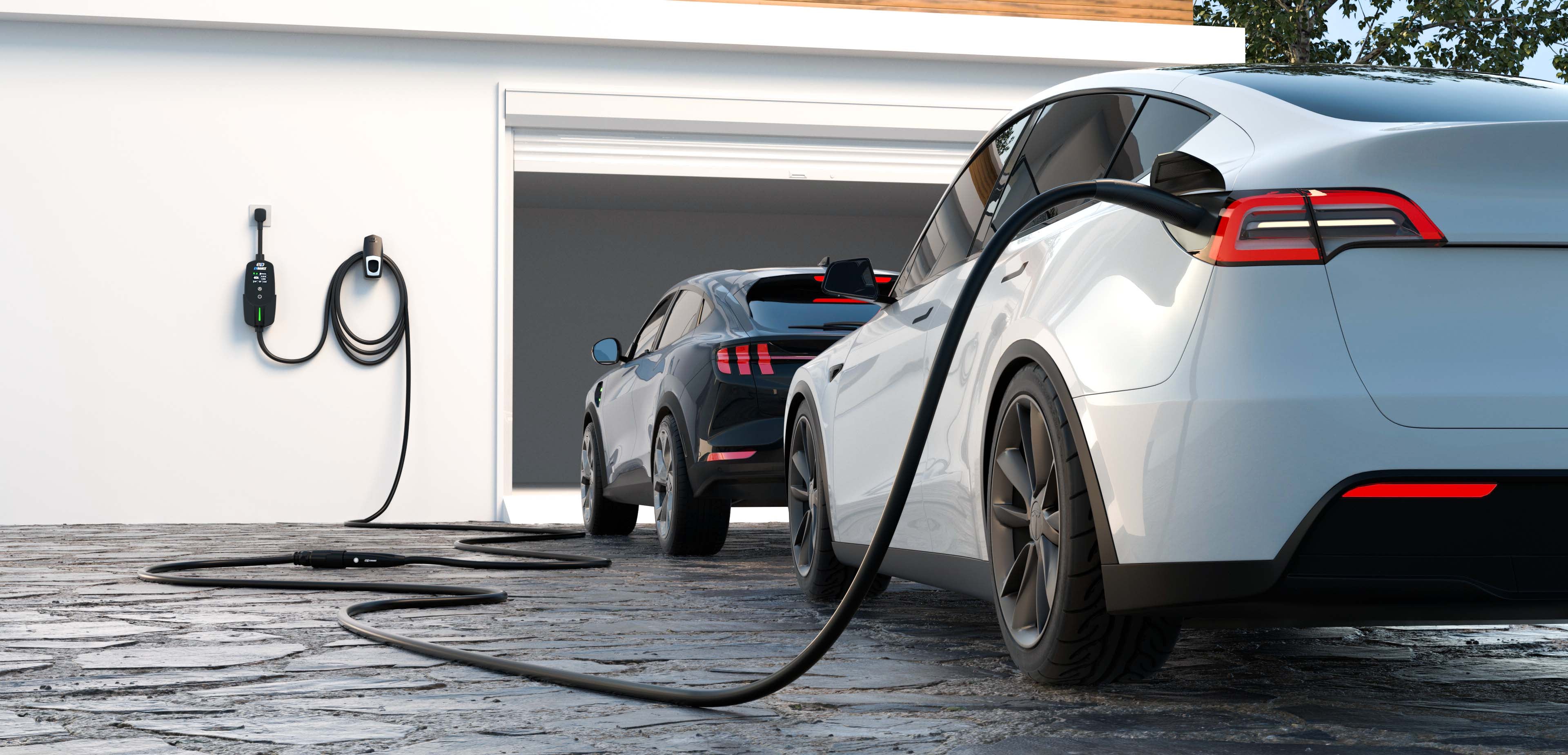
Electric vehicle charging is often presented as simple: park, plug in, and walk away. In reality, everyday EV ownership introduces a long list of small but persistent friction points. Many of these issues are not about charging speed or battery size—but about distance, positioning, and access.
This is exactly where EV extension cables come into the picture.
Despite being overlooked or even discouraged in some official guidance, extension cables exist because real-world charging setups are rarely perfect. Homes, parking spaces, driveways, and shared chargers were not designed with EVs in mind. Over time, drivers adapt—and extension cables are one of the most practical adaptations.
Below, we break down why EV extension cables exist, and more importantly, when they actually become useful in daily life.

Charging Setups Are Rarely Ideal
Most EV owners do not design their homes around charging. Instead, they work with what already exists: garages, carports, outdoor outlets, shared parking spots, or wall-mounted chargers installed years after construction.
The result is often a mismatch between charger location and vehicle position.
Common examples include:
-
Wall-mounted chargers installed on one side of the garage
-
Driveways that only fit one car at a time
-
Outdoor chargers placed near electrical panels rather than parking spots
-
Short OEM charging cables designed for showroom conditions, not lived-in spaces
In these cases, a difference of just a few feet can determine whether charging is convenient—or impossible.
Multi-Vehicle Households: One Charger, Many Cars
As EV adoption grows, multi-EV households are becoming common. Two EVs sharing a single Level 2 charger is no longer unusual.
Problems quickly emerge:
-
One car blocks the charger cable reach
-
Vehicles need to swap positions late at night
-
The charger only reaches the “primary” parking spot
An extension cable allows flexibility without frequent shuffling and reinstalling hardware.
Instead of re-parking cars or scheduling charging sessions around cable length, drivers can simply extend the reach to whichever vehicle needs power.
This is especially valuable when:
-
Vehicles have different charge port positions
-
One car is inside the garage, the other outside

When Friends or Family Visit With an EV
Hosting guests with EVs introduces a scenario many owners don’t anticipate.
Visitors often:
-
Park where space is available, not where the charger is
-
Drive different EV models with different port locations
-
Arrive late and need overnight charging
Without an extension cable, charging a guest’s EV may require:
-
Re-parking multiple vehicles
-
Running cables through doorways
-
Asking guests to move their car at inconvenient times
A properly rated EV extension cable turns your home charger into a shared, flexible resource, without disrupting everyone’s routine.
Gas Cars Blocking Public Chargers
When you're on a road trip, staying at an Airbnb, or running errands in a new city, finding a convenient spot to charge at public Level 2 charging stations can be stressful. Even in locations with multiple chargers—like urban centers, shopping plazas, or hotel parking lots—ICE vehicles often occupy spaces meant for EVs, leaving drivers scrambling for alternatives.
Common scenarios include:
-
A gas car parked in a designated EV charging spot
-
Peak-hour congestion at commercial charging stations
-
Temporary misuse, such as vehicles idling while the owner runs errands
An EV extension cable can help in these situations by letting your car reach a nearby outlet or charger that might not be perfectly positioned. This provides flexibility on the road, ensuring you can continue your trip without waiting for a free charging spot.
By turning public charging into a more adaptable process, extension cables help EV drivers overcome real-world obstacles and make traveling with an electric vehicle smoother and less stressful.
P.S. Currently, our extension cables are designed only for Level 2 chargers and cannot be used with DC fast chargers. A new version compatible with faster charging is in development, and we hope it will be available soon.

Awkward Charger Placement (A Very Common Reality)
Many home chargers are installed based on electrical convenience, not vehicle ergonomics.
Installers often prioritize:
-
Proximity to breaker panels
-
Lower installation cost
-
Minimal wall penetration
The result?
-
Chargers mounted behind vehicles
-
Chargers placed too high or too low
-
Cables that barely reach the charge port
Extension cables compensate for these compromises, allowing drivers to use their charger as intended—even when installation wasn’t perfect.
Temporary Solutions for Permanent Problems
Some drivers hesitate to use extension cables because they see them as “temporary fixes.” In practice, many extension cables become permanent parts of daily charging routines.
This happens when:
-
Remodeling is not an option
-
Renting prevents charger relocation
-
Electrical upgrades are too costly
-
Shared properties limit modifications
An extension cable offers a low-cost, non-invasive alternative that still solves the problem.

Addressing Safety Concerns—With Context
It’s true that not all extension cables are created equal. Safety concerns usually stem from:
-
Underrated cables
-
Poor connectors
-
Incompatible designs
-
Overheating due to excessive current
However, these risks are not inherent to extension cables themselves, but to using the wrong product.
A proper EV extension cable should:
-
Be rated for EV charging: 50A, 240V, 12kW
-
Use UL-recognized cable
-
IP66 Waterproof
-
Flexible, durable and reliable
When these conditions are met, extension cables function as intended—bridging distance, not introducing danger. That's exactly what the EVDANCE 50A NACS Extension Cable is designed to do.
Why Demand Keeps Growing
The popularity of EV extension cables is not driven by novelty. It’s driven by daily inconvenience experienced by real drivers.
As EV adoption accelerates:
-
Homes are adapting faster than infrastructure
-
Vehicles are changing faster than parking layouts
-
Charging expectations are rising
Extension cables exist because EV charging is happening in imperfect spaces.
They don’t replace proper infrastructure—but they make today’s infrastructure usable.

The Bottom Line
EV extension cables exist for one reason: real life rarely matches ideal charging scenarios.
From multi-vehicle households to EV roadtrips, from awkward installations to blocked parking spots, extension cables solve problems that EV drivers face every day.
They are not about pushing limits.
They are about restoring flexibility, reducing friction, and making charging work—wherever your car actually ends up.
Charge without limits. For many EV owners, that makes all the difference.
Recommend Reading: EV Extension Cord Guide: Safe Charging for Tesla & J1772 Vehicles


Share:
Electric Pickup Truck Sales in the U.S. Struggle to Gain Traction in 2025
Travel Charging Made Easy: How an EV Extension Cable Can Help