





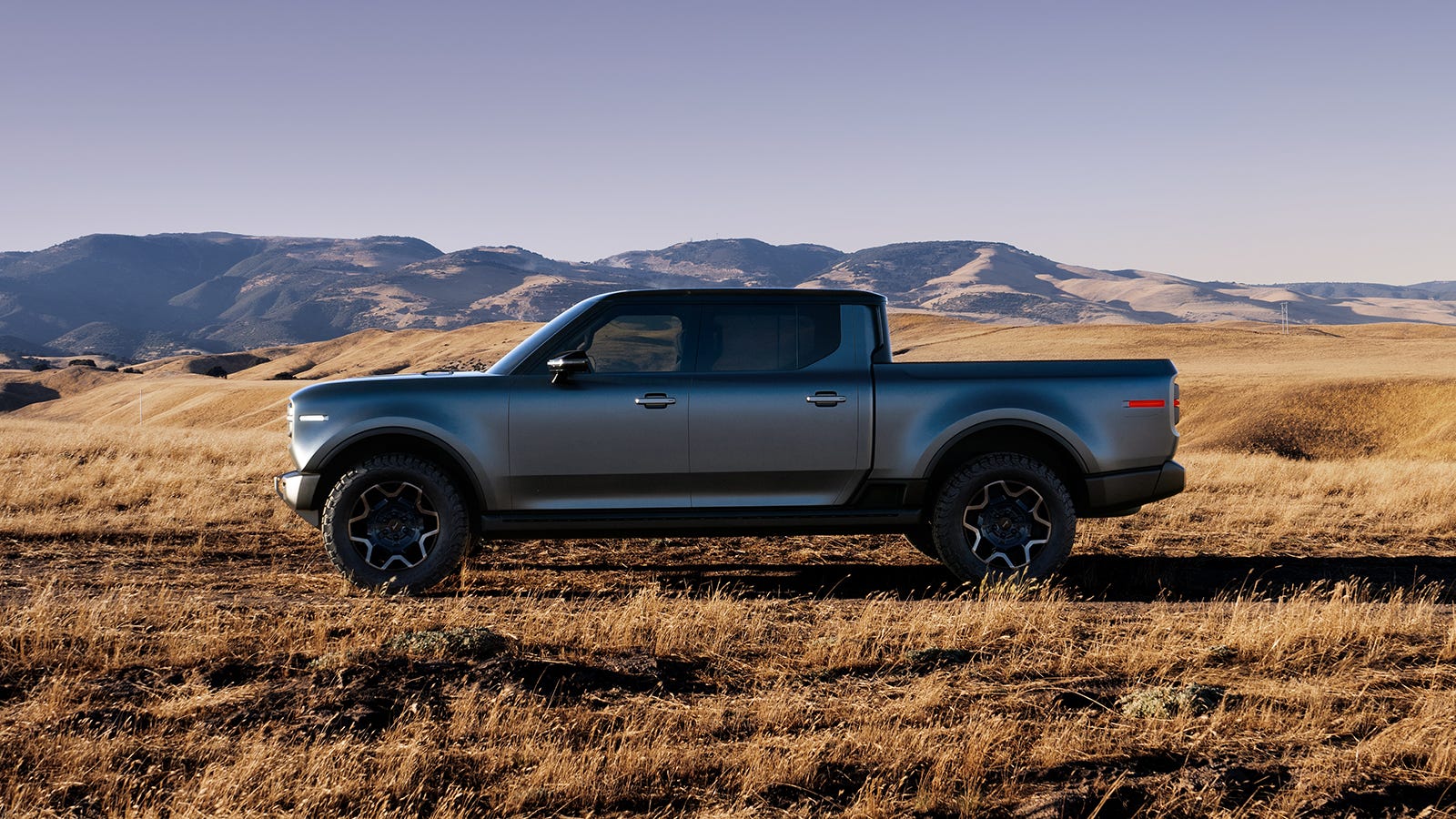
The Promise of Electric Trucks Meets Market Reality
Electric pickup trucks were once positioned as the next major breakthrough in the U.S. automotive market. Automakers envisioned a rapid shift away from gasoline-powered workhorses toward battery-electric alternatives that could deliver instant torque, onboard power, and quieter operation.
However, 2025 made one reality increasingly clear: most American truck buyers are not yet convinced. Despite clear advantages in specific use cases, electric pickups remain heavier, more expensive, and more limited in range compared to their internal-combustion counterparts. The expiration of the $7,500 federal EV tax credit further weakened demand, removing a key financial incentive for cost-conscious buyers.
Segment Sales Decline for Another Year
Instead of growing, the electric pickup segment contracted again in 2025. Total U.S. sales across all major electric truck models reached 90,019 units, representing a 15.6% year-over-year decline. For a country where pickup trucks dominate vehicle sales charts, that figure remains marginal.
The results suggest that electric pickups, at least in their current form, do not align with the needs and expectations of most truck buyers. Long-distance towing, cold-weather range loss, charging availability, and upfront pricing continue to act as barriers to broader adoption.
Ford F-150 Lightning Loses Momentum
The Ford F-150 Lightning remained the best-selling electric pickup in America in 2025, but its position at the top came with troubling signs. Sales fell to 27,307 units, down 18.5% compared to 2024.
While the Lightning benefited from the strong reputation of the F-Series brand, it struggled with profitability and demand consistency. Ford ultimately decided to discontinue the model late in the year, marking a significant retreat after initially presenting the Lightning as a cornerstone of its electric strategy.
The move underscored a growing concern across the industry: volume alone does not guarantee sustainability in the electric truck segment.

Tesla Cybertruck Falls Short of Expectations
Few vehicles have generated as much hype—or controversy—as the Tesla Cybertruck. Once projected by Elon Musk to potentially reach 500,000 units annually, the Cybertruck delivered a far more modest performance in 2025.
Tesla sold 20,237 Cybertrucks, a sharp 48.1% decline from 2024. The dramatic drop highlighted the risks of betting heavily on a radical design that deviates from traditional truck expectations. While the Cybertruck succeeded in capturing attention, its polarizing aesthetics, practicality concerns, and pricing limited its appeal beyond early adopters.
In 2025, the Cybertruck’s sales collapse became one of the clearest symbols of the electric pickup segment’s broader challenges.

Rivian R1T Slides to the Bottom
Rivian’s R1T was among the first mass-produced electric pickups to reach the U.S. market, but its momentum has steadily faded. In 2025, the R1T sold 7,416 units, down 33.1% year over year, placing it last among major electric pickups.
Rivian’s sales increasingly favor the R1S SUV, which better aligns with consumer demand for premium electric family vehicles. The R1T’s declining numbers suggest that even early-market credibility is not enough to sustain long-term demand in the electric truck space.

General Motors Is the Only Bright Spot
Amid widespread declines, General Motors stood out as the only automaker to post growth across its electric pickup lineup—albeit from a relatively small base.
Combined sales of the GMC Hummer EV pickup and SUV reached 15,788 units, up 12.8% from the previous year. The Chevrolet Silverado EV recorded 11,275 sales, a 51.8% increase, while the GMC Sierra EV jumped to 7,996 units, up sharply from 1,788 in 2024.
Despite these gains, GM’s electric trucks remain niche products. Their growth reflects expansion from limited availability rather than widespread market adoption.

Best-Selling Electric Pickup Trucks in the U.S. (2025)
| Rank | Model | 2025 Sales | YoY Change |
|---|---|---|---|
| 1 | Ford F-150 Lightning | 27,307 | -18.5% |
| 2 | Tesla Cybertruck | 20,237 | -48.1% |
| 3 | GMC Hummer EV Pickup & SUV | 15,788 | +12.8% |
| 4 | Chevrolet Silverado EV | 11,275 | +51.8% |
| 5 | GMC Sierra EV | 7,996 | vs. 1,788 (2024) |
| 6 | Rivian R1T | 7,416 | -33.1% |
| Total | 90,019 | -15.6% |
Source: Cox Automotive
Automakers Pull Back on Full-Electric Trucks
The declining sales figures have already triggered strategic reversals. Stellantis canceled its electric Ram 1500 before production began, while Ford exited the segment entirely with the Lightning’s discontinuation.
These decisions suggest that automakers are reassessing whether fully electric pickups are the right solution for the U.S. market at this stage. The high development costs, limited margins, and uncertain demand have made the segment difficult to justify financially.
Extended-Range EVs Gain Attention
As confidence in pure electric trucks fades, automakers are increasingly exploring extended-range electric vehicles (EREVs). These platforms function primarily as EVs but include a gasoline-powered generator to recharge the battery when needed.
Ram and Scout Motors are both developing EREV trucks designed to deliver electric driving characteristics without the range anxiety associated with battery-only pickups. Whether these models can achieve meaningful sales volumes remains uncertain, but they may offer a compromise that better fits American truck usage patterns.

Long-Term Outlook Remains Cautiously Optimistic
Despite setbacks in the electric pickup segment, industry analysts remain optimistic about electrification overall. Cox Automotive expects gradual growth over the next decade, driven by improved technology, lower battery costs, and expanded charging infrastructure.
“The U.S. market will become more electrified in the coming decade, with product innovation and infrastructure improvements supporting gradual sales growth,” the firm noted.
For now, however, 2025 reinforces a clear conclusion: electric pickup trucks are still searching for their place in the American market.
Recommend Reading: Slate EV Truck Tops 150,000 Orders, But Won’t Include Self-Driving Features


Share:
Fast Charging and EV Battery Health: What the Data Really Shows
Why EV Extension Cables Exist (And When You Actually Need One)