





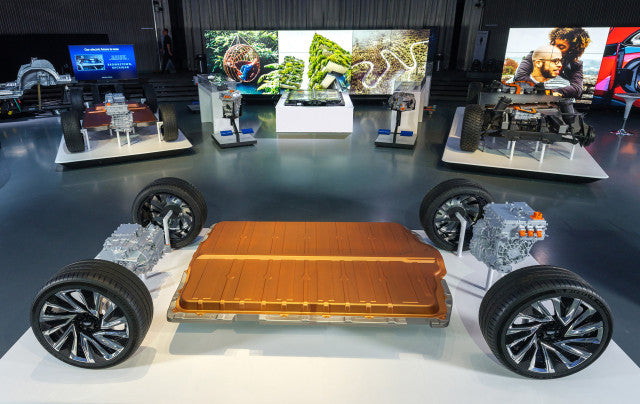
From Afterthought to Strategic Priority
Reclaiming materials from electric vehicle batteries has long attracted less attention than vehicle design or charging infrastructure. Yet as the global EV fleet expands, the recovery of lithium, nickel and other critical inputs is moving closer to center stage.
The basic concept is straightforward: when an electric car’s battery no longer delivers sufficient driving range, its cells still contain valuable minerals. These materials can be processed and reused in new energy storage systems. For years, however, recycling remained limited in scale because most EVs were still relatively young and far from retirement.
That situation is beginning to change. As early-generation models approach the end of their useful life, a substantial volume of depleted battery packs is expected to enter the waste stream in the 2030s. This shift is transforming what was once a niche activity into a potentially high-growth sector.

Market Projections Signal Rapid Expansion
Consulting firm McKinsey & Co. estimates that annual global revenue across the battery recycling value chain could reach approximately $70 billion by 2040, compared with about $2.5 billion last year. The anticipated jump reflects both rising EV adoption and the accumulation of aging vehicles that will eventually require dismantling.
The forecast hinges on a wave of retirements expected after 2030, when vehicles sold in the current decade begin to phase out. Industry analysts suggest that, at that point, recycling will no longer depend on small pilot programs but on industrial-scale operations capable of handling large battery volumes.
Automakers are positioning themselves accordingly. Companies including BMW, Volkswagen and Renault have expanded collaborations with specialist firms to secure access to recovered materials. Meanwhile, technology providers such as R3 Robotics are introducing automated systems designed to speed up battery pack disassembly and reduce labor costs.
Regulation as a Key Catalyst
While economic incentives are growing, public policy remains a significant driver. In many regions, recycling is supported by mandates intended to reduce reliance on newly mined resources and to strengthen domestic supply chains.
The European Union has adopted battery rules that set minimum thresholds for recycled content. One target calls for 70% recycled lithium in EV batteries by 2030. Separately, the bloc’s Critical Raw Materials Act seeks to ensure that at least 25% of certain key materials come from within the EU, including through recycling.
China has implemented mandatory take-back requirements that obligate manufacturers to manage used battery packs responsibly. In the United States, regulatory efforts are emerging at the state level. Lawmakers in Colorado recently proposed legislation that would require carmakers to guarantee proper battery recycling, with provisions slated to take effect in 2028 if enacted.
These frameworks are intended to make material recovery financially viable even when mining remains comparatively inexpensive. Over time, improved efficiency and scale could allow recycling to compete directly with extraction and refining.
Strategic Benefits Beyond Compliance
For manufacturers, the appeal extends beyond meeting legal obligations. Recovered minerals can shield companies from price volatility in global commodity markets and reduce exposure to geopolitical risk. Securing a stable stream of lithium, cobalt and nickel is increasingly viewed as essential to long-term profitability.
There is also a broader environmental rationale. Processing used batteries requires energy, but it can lower the need for new mining operations, which often carry significant ecological and social impacts. A more circular production model may help automakers reduce lifecycle emissions associated with vehicle manufacturing.
Some researchers argue that a mature recycling ecosystem could dramatically alter resource demand. A study published last year by clean energy think tank RMI concluded that, under certain conditions, widespread battery reuse and recovery might significantly limit the need for newly mined battery minerals after 2050.

Preparing for the Next Phase
Despite optimistic projections, challenges remain. Scaling facilities, standardizing battery designs and ensuring safe handling of high-voltage components all require investment and coordination. The economics will depend on commodity prices, technological advances and the pace of EV adoption.
Even so, the direction appears clear. As millions of electric vehicles age over the coming decades, the materials embedded within their batteries are increasingly seen not as waste, but as a secondary resource stream. With policy support and industrial expansion underway, battery recycling is moving from the margins of the automotive sector toward becoming a central pillar of its supply chain.
Recommend Reading: The Challenges Behind EV Battery Recycling











Share:
Tesla Cybertruck Dual Motor AWD Base Model Explained
Why Tesla Dropped the Autopilot Name in California