




Blog
- All
- Autonomous Vehicles
- Basic Introduction
- Battery Tech
- Buying Guide
- BYD
- Cadillac
- Charging
- China
- Elon Musk
- Ferrari
- Ford
- HOA
- Hyundai
- ICCU
- Industry Outlook
- Kia
- Mazda
- Model Comparisons
- Monthly EV Lease Deals
- Monthly EV Recommendation
- NEMA Plug
- Policies & Incentives
- Range
- Renault
- Repair & Maintenance
- RIVIAN
- Road Trip
- Sales
- Solar
- Subaru
- Tesla
- User Guide
- Volkswagen
- Volvo
- Xiaomi
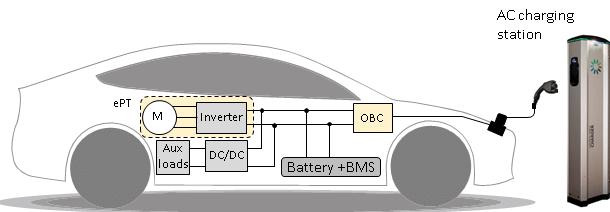
What Is an Onboard Charger (OBC) in an EV? Understanding How Your Car Charges
The Onboard Charger (OBC) is a crucial EV component that converts AC power from home or public chargers into DC power to safely charge the battery. OBC power ratings typically range from 3.3 kW to 22 kW, determining AC charging speed. Unlike DC fast charging, which bypasses the OBC, onboard chargers ensure stable, efficient, and safe charging. Advanced OBCs also enable bi-directional energy flow for Vehicle-to-Grid (V2G) applications. Understanding OBC function helps EV owners optimize charging strategies and select compatible accessories.
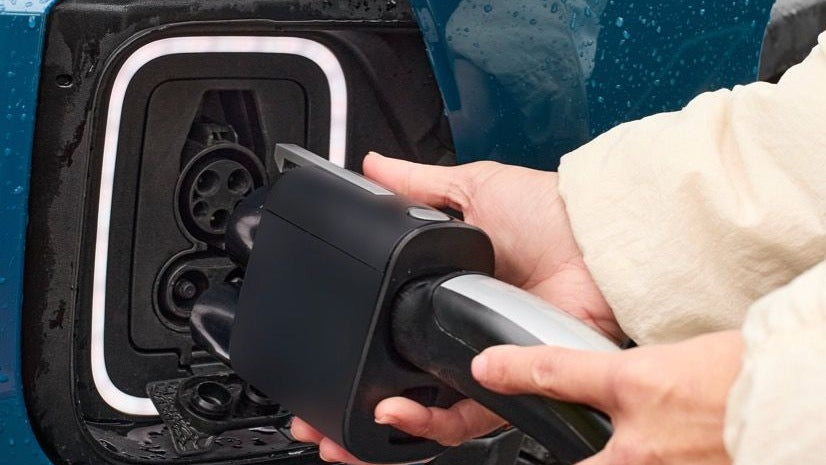
Why My Tesla NACS Adapter Isn't Working: Understanding the Core Issues
Many EV owners encounter issues using Tesla NACS adapters—often because they’re applying AC-only adapters to DC fast chargers. This guide explains why these adapters may fail, the key differences between AC and DC charging, the internal structure of NACS connectors, and how communication protocols affect compatibility. Learn how to diagnose adapter issues and choose the right product, like the EVDANCE Pulse Fusion, for fast, safe charging.
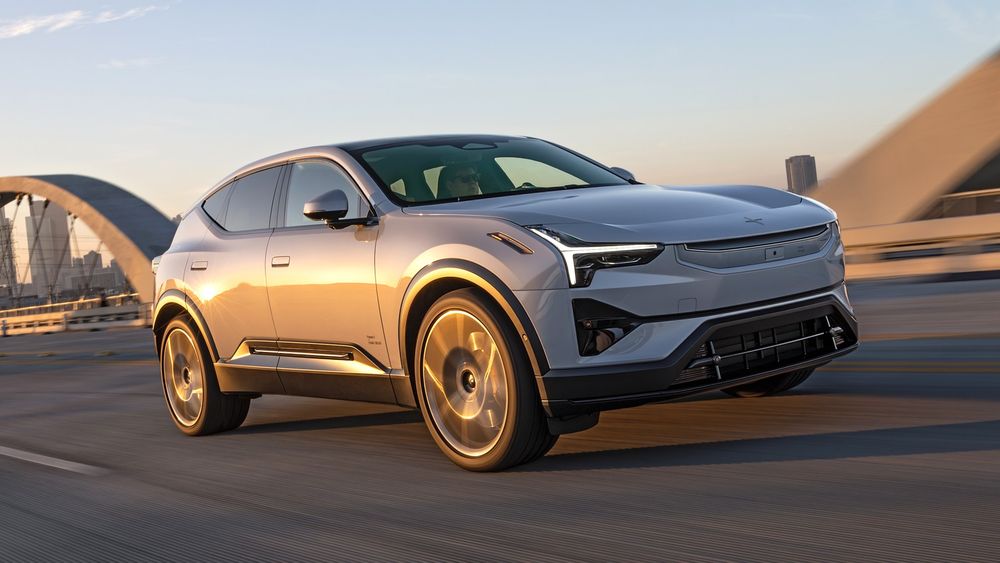
Best Electric Vehicles to Buy in June 2025
June 2025 marks a turning point for EV buyers, with expanded tax credits, new tech, and more models across every price segment. This updated guide ranks the best electric vehicles by category—from budget EVs to luxury SUVs and performance sedans. Whether you're after affordability, range, or style, there's an EV that fits your needs in 2025’s booming electric landscape.
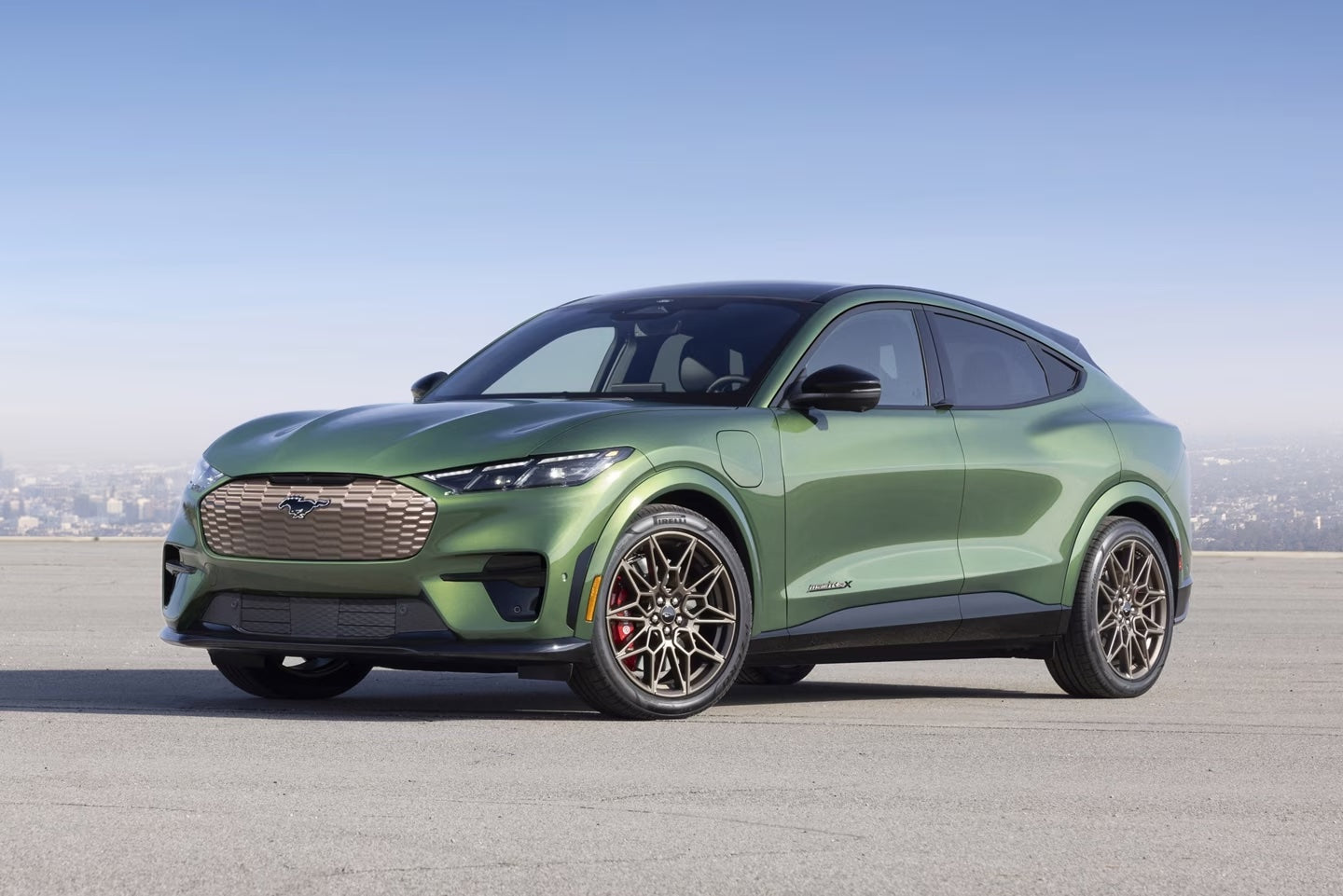
How Far Does a Ford Mustang Mach-E Go on a Full Charge?
The Ford Mustang Mach-E offers a range from 226 to 312 miles, depending on the model and battery configuration. Factors like temperature, speed, load, and HVAC usage impact real-world range. With Level 2 home charging, DC fast charging, and smart apps like FordPass, the Mach-E provides flexibility and confidence for daily driving or road trips. Proper maintenance and use of adapters like the EVDANCE Pulse Fusion ensure optimal performance.

The Highway Trust Fund Is Running Dry — and It's a Call for Urgent Reform
The U.S. Highway Trust Fund (HTF) faces insolvency by 2028, threatening $40 billion in annual shortfalls. The gas tax hasn’t been raised since 1993, while EVs and fuel efficiency reduce fuel purchases, shrinking revenue. Without action, key infrastructure projects will stall, harming the economy and daily commutes. Experts recommend raising user fees, implementing vehicle mileage taxes (VMT), and reforming EV contributions to modernize the funding model.
Range vs. Horsepower: What Really Matters in a Luxury EV SUV?
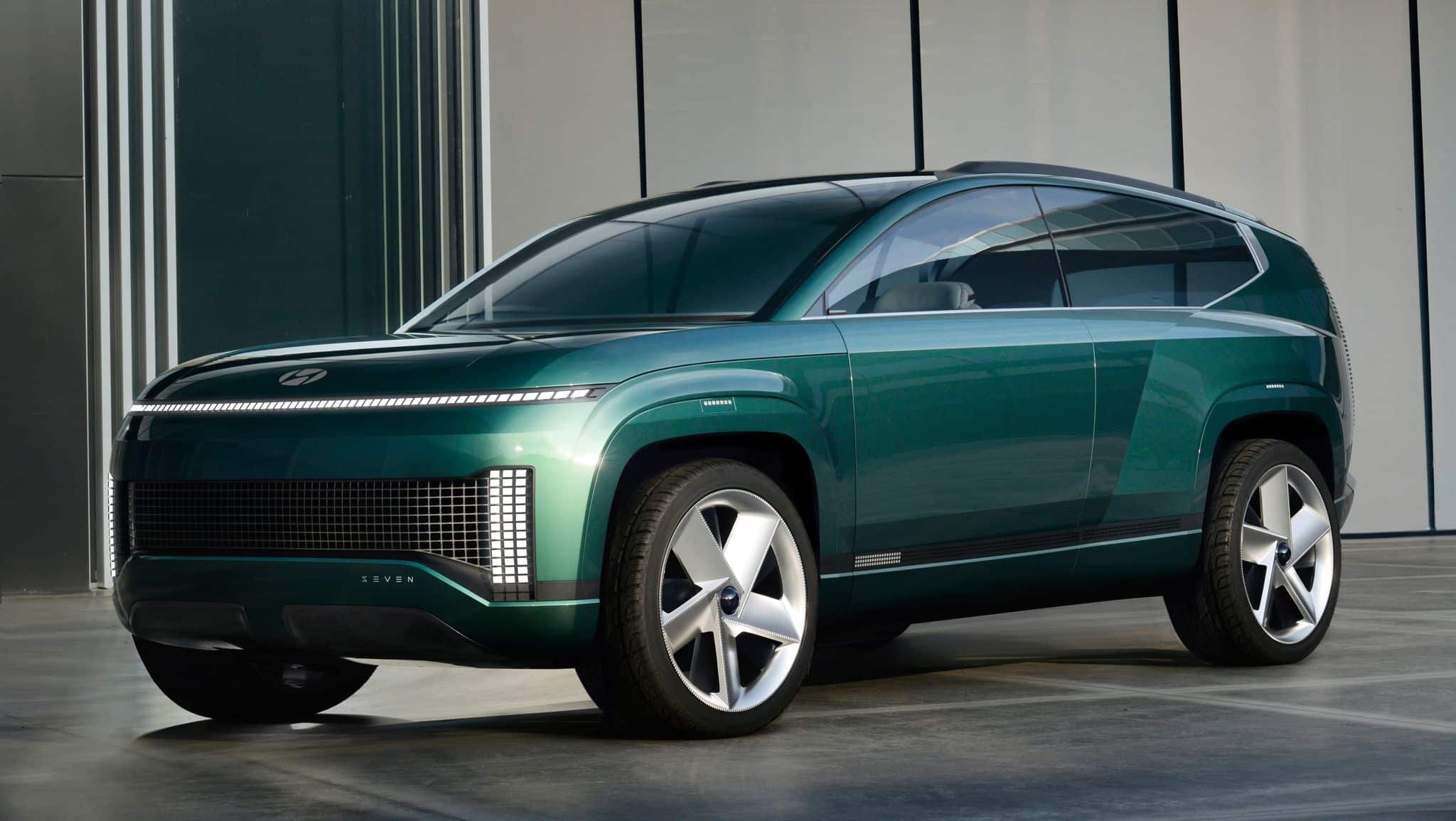
As EVs gain mainstream traction, a new debate has emerged: should luxury electric SUVs prioritize horsepower or range? A Reddit discussion highlights consumer frustration over marketing that overemphasizes speed while underplaying real-world usability. While horsepower is easy and cost-effective to scale, extending range remains an engineering and economic challenge. For luxury buyers, the appeal of instant torque and high performance still sells—but range anxiety hasn’t disappeared. True luxury may be about having the power and the endurance.
How Far Does a Tesla Model 3 Go on a Full Charge?
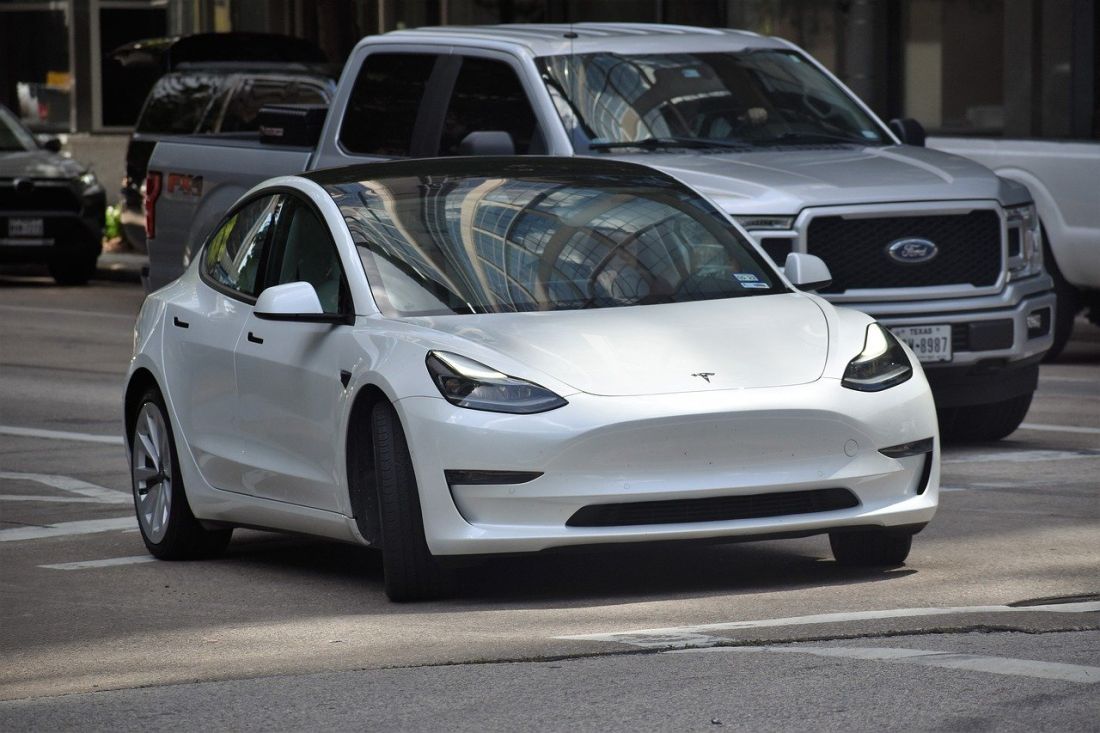
The Tesla Model 3 offers an EPA-rated range of 272 to 341 miles depending on trim. Real-world range may vary due to driving style, climate, and terrain. With smart charging habits and accessories like the EVDANCE 40A charger and 40FT extension cord, owners can maximize efficiency and daily usability. It's a practical EV choice for commuters and road trippers alike.
How Far Does a Tesla Model Y Go on a Full Charge?
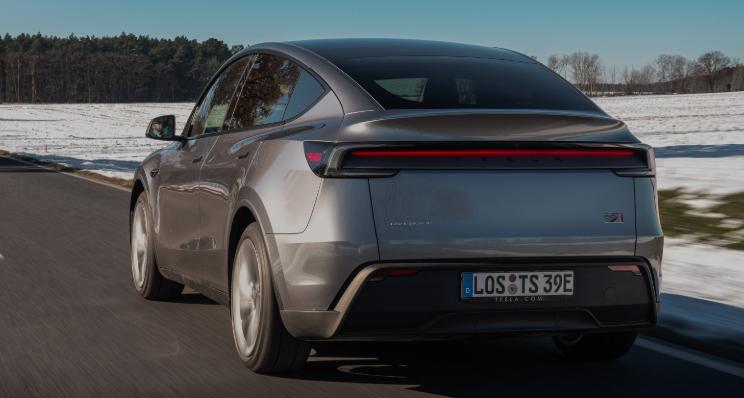
The Tesla Model Y offers up to 330 miles on a full charge, with real-world range affected by speed, weather, terrain, and cargo. Charging options include home Level 2 charging and Superchargers, while accessories like the EVDANCE 40A charger and 40FT Tesla extension cord help maximize range and convenience. It’s a well-rounded EV for commuters and long-distance drivers alike.
Understanding EV Adapters: Bridging Compatibility Across Charging Standards
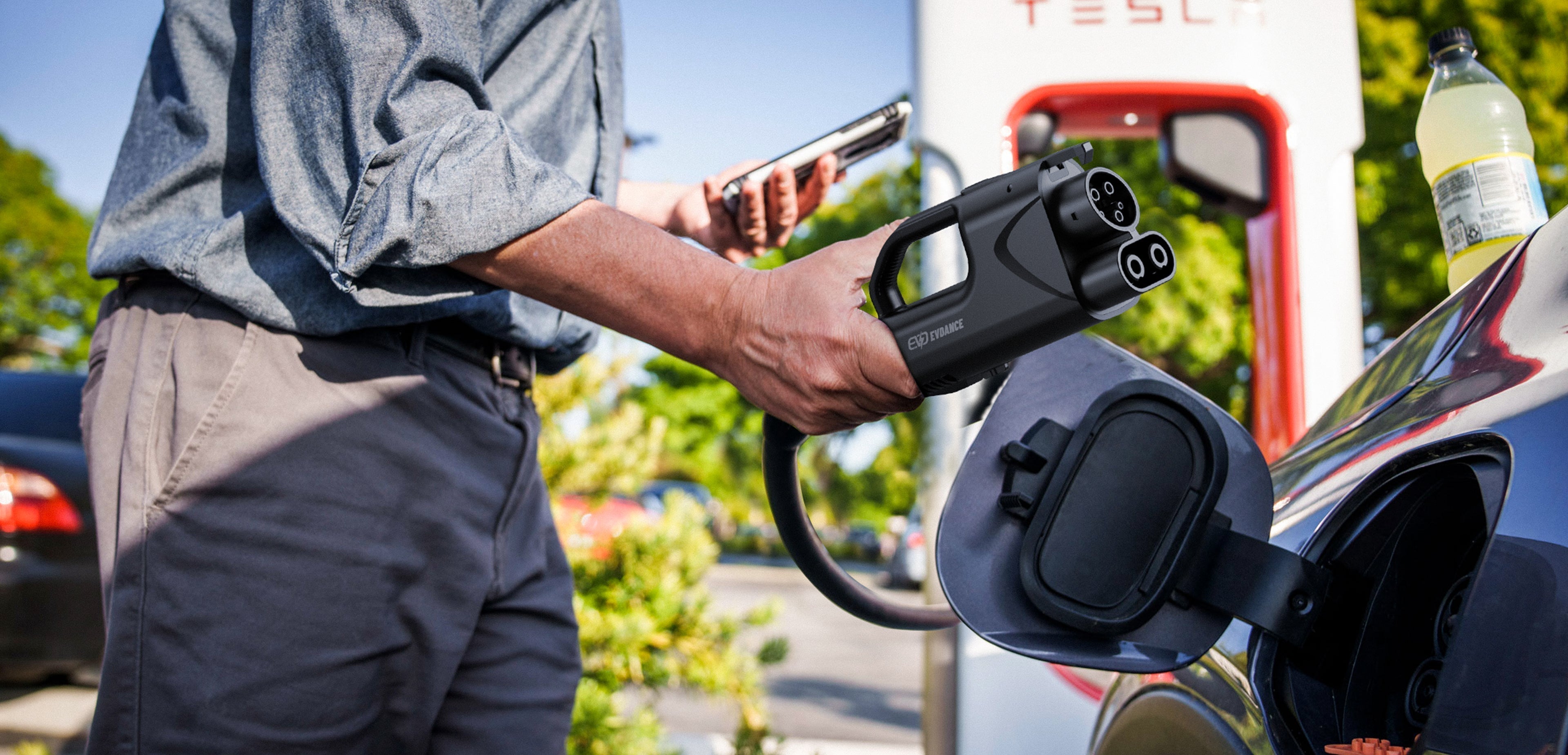
EV adapters are essential tools for ensuring charging compatibility across diverse plug types and standards. From Tesla-to-J1772 to NEMA 14-50 configurations, understanding each adapter’s function, limitations, and safe usage is critical. As NACS gains dominance, high-quality EV adapters like those from EVDANCE will continue to support legacy systems and evolving infrastructure. This guide helps you choose the right adapter and avoid common risks.