




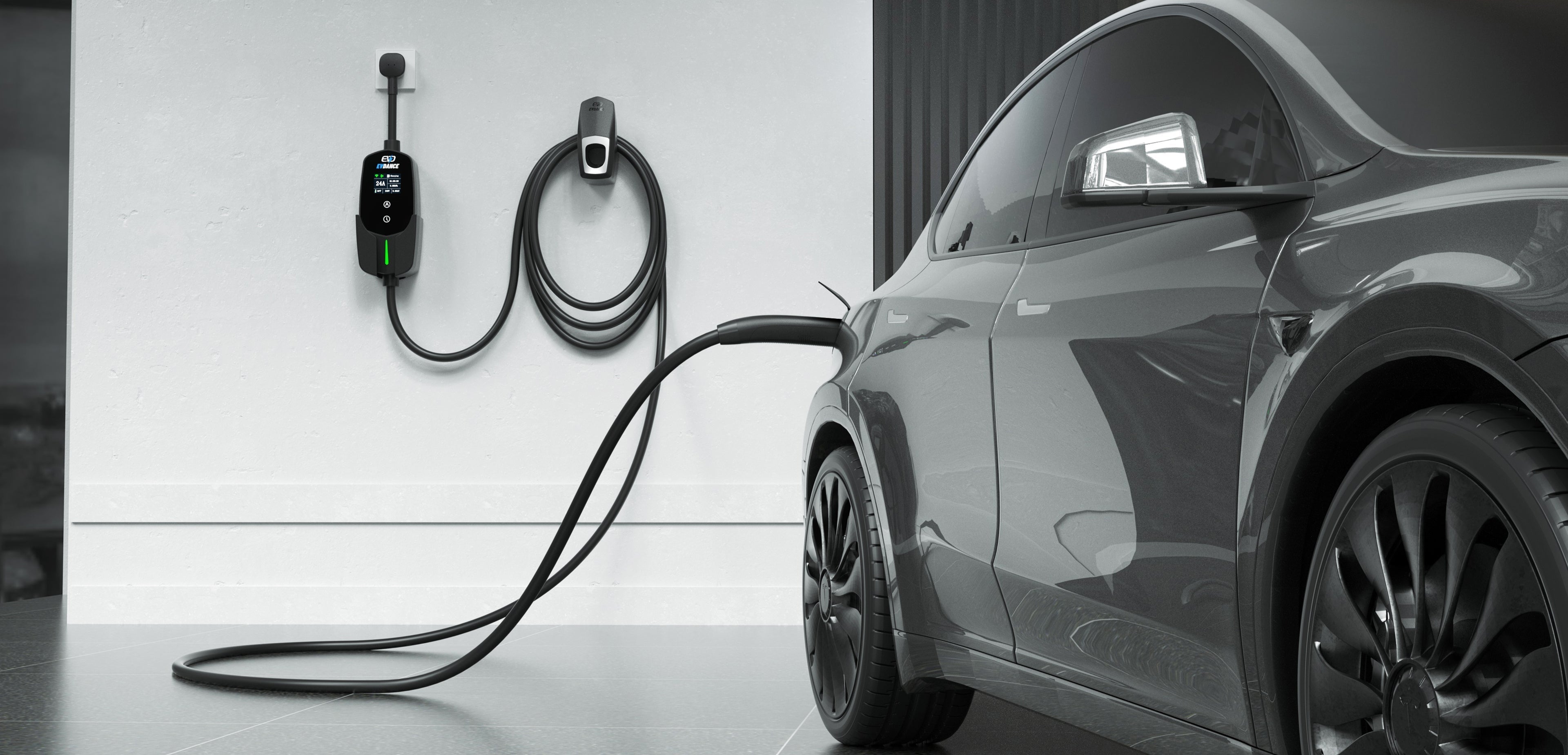
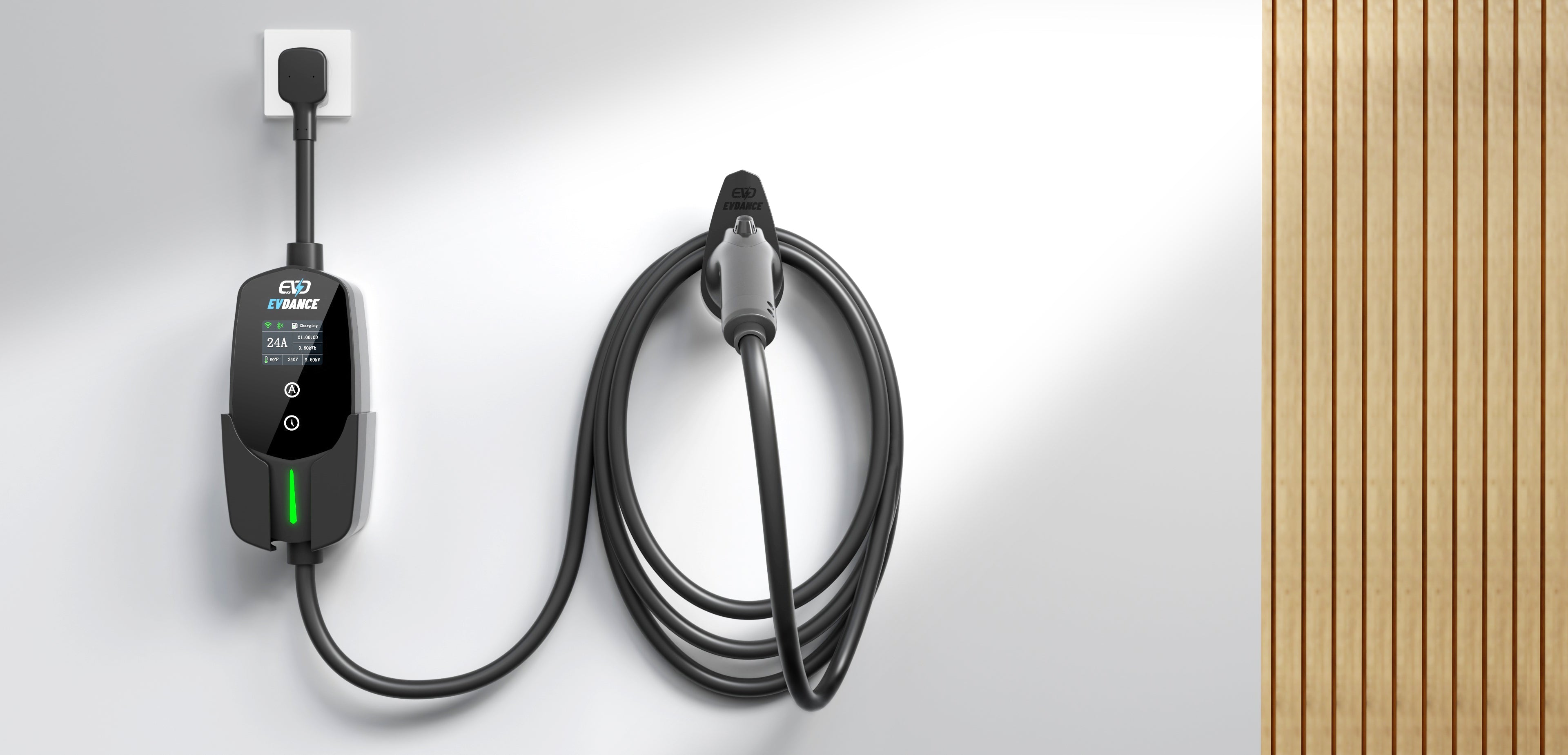
This in-depth guide explains how the NEMA 14-30 plug supports efficient, safe EV charging at home. It covers specifications, installation tips, charger compatibility, safety, and how it compares with alternatives like NEMA 14-50. Also includes 10 relevant FAQs.

Blog
- All
- Autonomous Vehicles
- Basic Introduction
- Battery Tech
- Buying Guide
- BYD
- Cadillac
- Charging
- China
- Elon Musk
- Ferrari
- Ford
- HOA
- Hyundai
- ICCU
- Industry Outlook
- Kia
- Mazda
- Model Comparisons
- Monthly EV Lease Deals
- Monthly EV Recommendation
- NEMA Plug
- Policies & Incentives
- Range
- Renault
- Repair & Maintenance
- RIVIAN
- Road Trip
- Sales
- Solar
- Subaru
- Tesla
- User Guide
- Volkswagen
- Volvo
- Xiaomi
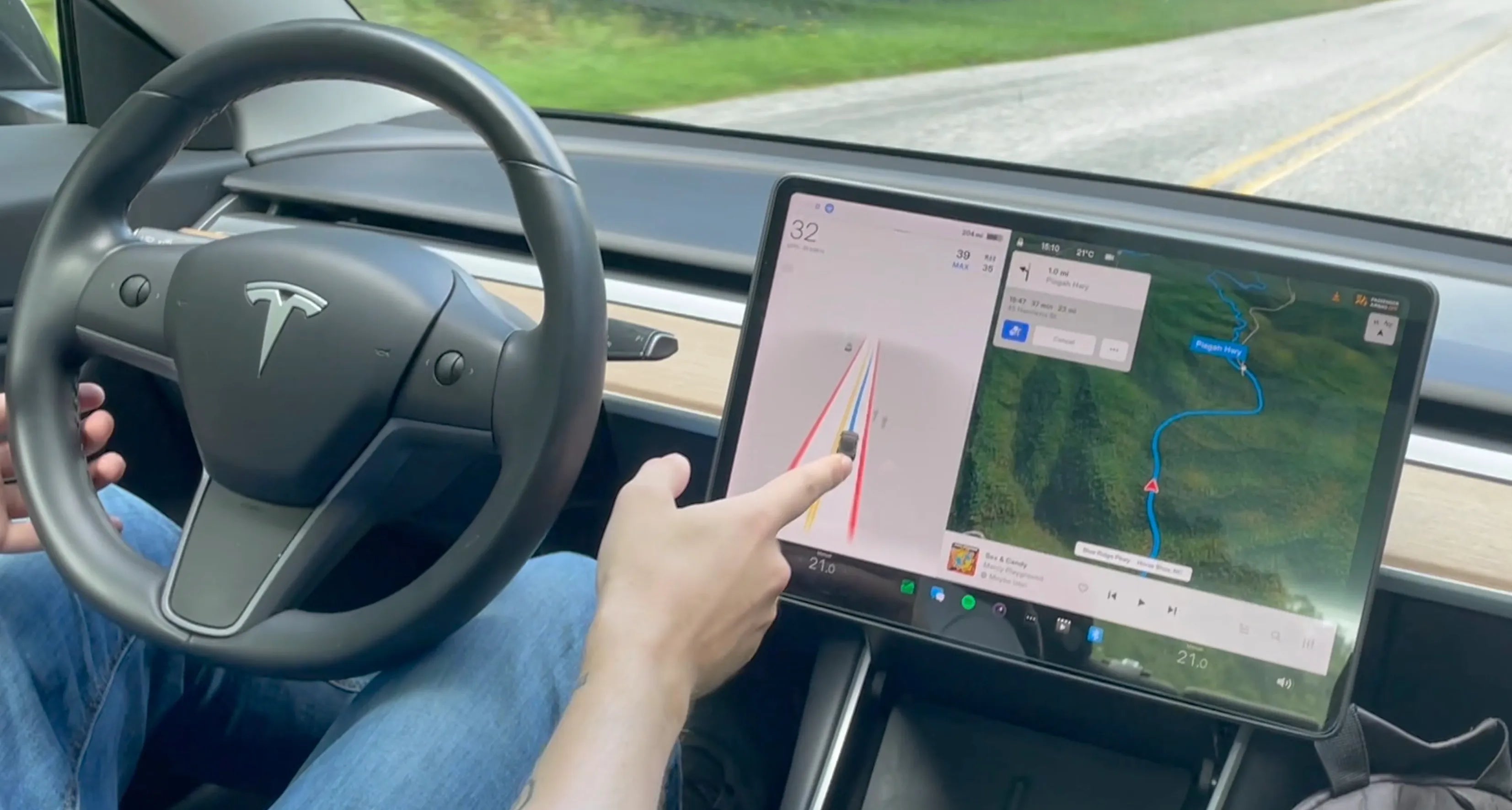
Tesla Full Self-Driving (FSD): Technology, Safety, Regulation, and What Comes Next
This deep analysis examines Tesla’s Full Self-Driving (FSD) program across technology, safety, business models, and regulation. It covers perception stacks, neural-network training with Dojo, OTA updates, FSD Beta capabilities and limitations, legal risks, and competitive strategies. The piece provides practical guidance for consumers and policymakers while assessing the realistic timeline for autonomous vehicle deployments.
Tesla Model 3 — The Complete 2025 Buyer & Owner Guide
Introduction When the Tesla Model 3 first arrived, it disrupted assumptions about what an affordable electric car could be. By 2025 the Model 3 remains one of the world’s most important EVs: compact enough for daily urban life, efficient enough...
The Tesla Model Y has grown from an intriguing crossover debut to a core pillar of the global EV market. It blends practical packaging, long range, smooth performance, and a software-first ownership experience that keeps improving over time. If you’re...
How to Plan an EV Road Trip Without Range Anxiety
Introduction Taking an electric vehicle (EV) on a long road trip can feel both exciting and intimidating, especially if you’ve recently switched from a gas-powered car. The main fear new EV drivers face is range anxiety — the worry that...
Everything You Need to Know About the Tesla Wall Connector — Plus an Alternative Worth Considering
As electric vehicle (EV) adoption continues to accelerate, home charging solutions are more important than ever. One of the most well-known EV charging solutions is the Tesla Wall Connector, a high-powered, sleekly designed home charger that’s purpose-built for Tesla vehicles....
Understanding J1772 vs NACS: What They Are, How They Compare, and the Future of EV Charging
This article explores the two competing EV charging standards in North America: CCS1 (J1772 for AC and combined DC) and Tesla’s NACS connector. It explains how they differ physically and functionally, which EV models already support NACS via adapter or native port, and the expected shift toward industry-wide adoption of NACS from 2025 onward. It covers current user implications, infrastructure changes, and benefits of consolidation for automakers and charging networks. Practical use cases and future trends show how EV owners can prepare for a more seamless charging experience.
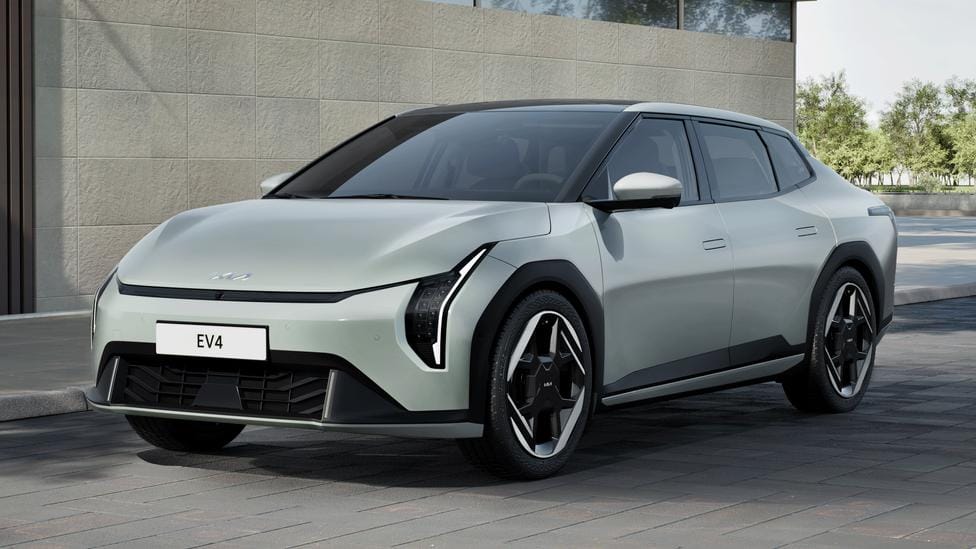
Kia EV4 Endurance Tested: 6,200 Miles at Nürburgring, 95 % Battery Health, 70 % Guarantee
In a bold durability test, Kia pushed its new EV4 through 6,200 miles of Nürburgring abuse and hypercharging—yet the battery still had 95 % health. With a 70 % guarantee after 100,000 miles, Kia shows it’s serious about EV longevity.
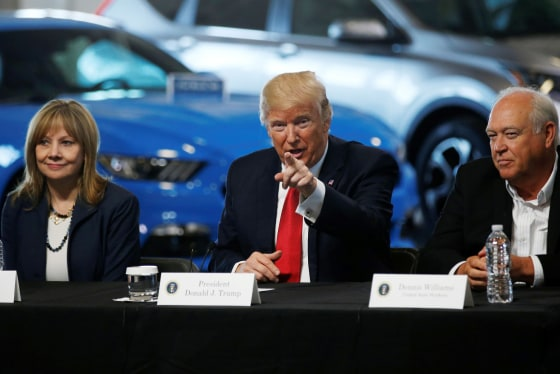
Will Trump’s EV Rollback Set the U.S. Back in Clean Tech?
Since taking office in 2025, President Trump’s rollback of EV subsidies has raised concerns about America falling behind China and Europe in the global clean tech race. This article explores how weakened incentives and shifting investments could impact U.S. competitiveness in EV adoption and infrastructure, including key areas like portable chargers and Level 2 home charging.