




Blog
- All
- Autonomous Vehicles
- Basic Introduction
- Battery Tech
- Buying Guide
- BYD
- Cadillac
- Charging
- China
- Elon Musk
- Ferrari
- Ford
- HOA
- Hyundai
- ICCU
- Industry Outlook
- Kia
- Mazda
- Model Comparisons
- Monthly EV Lease Deals
- Monthly EV Recommendation
- NEMA Plug
- Policies & Incentives
- Range
- Renault
- Repair & Maintenance
- RIVIAN
- Road Trip
- Sales
- Solar
- Subaru
- Tesla
- User Guide
- Volkswagen
- Volvo
- Xiaomi
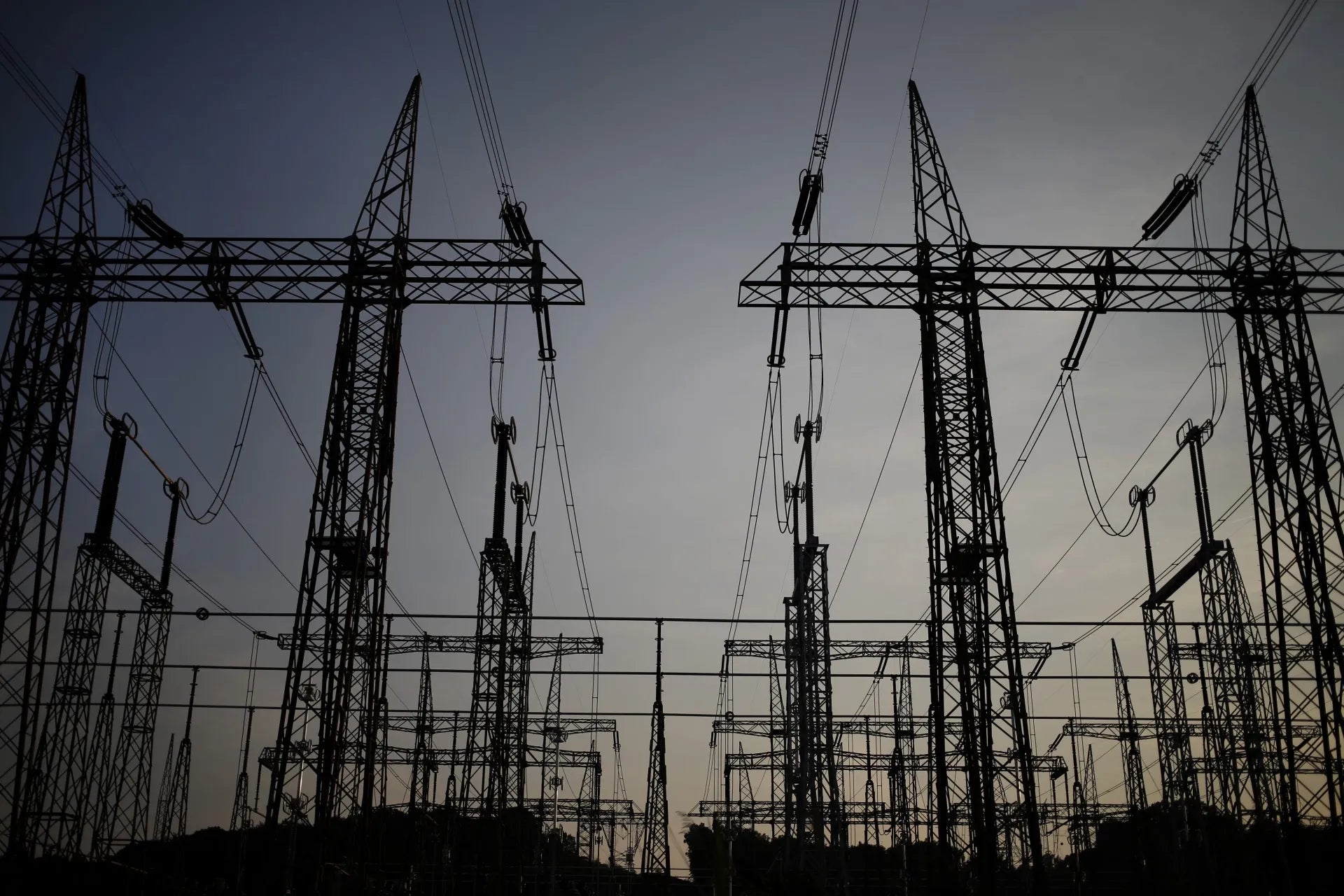
Powering the EV Transition: Deep Dive into U.S. Grid Capacity and EV Load Management ⚡️
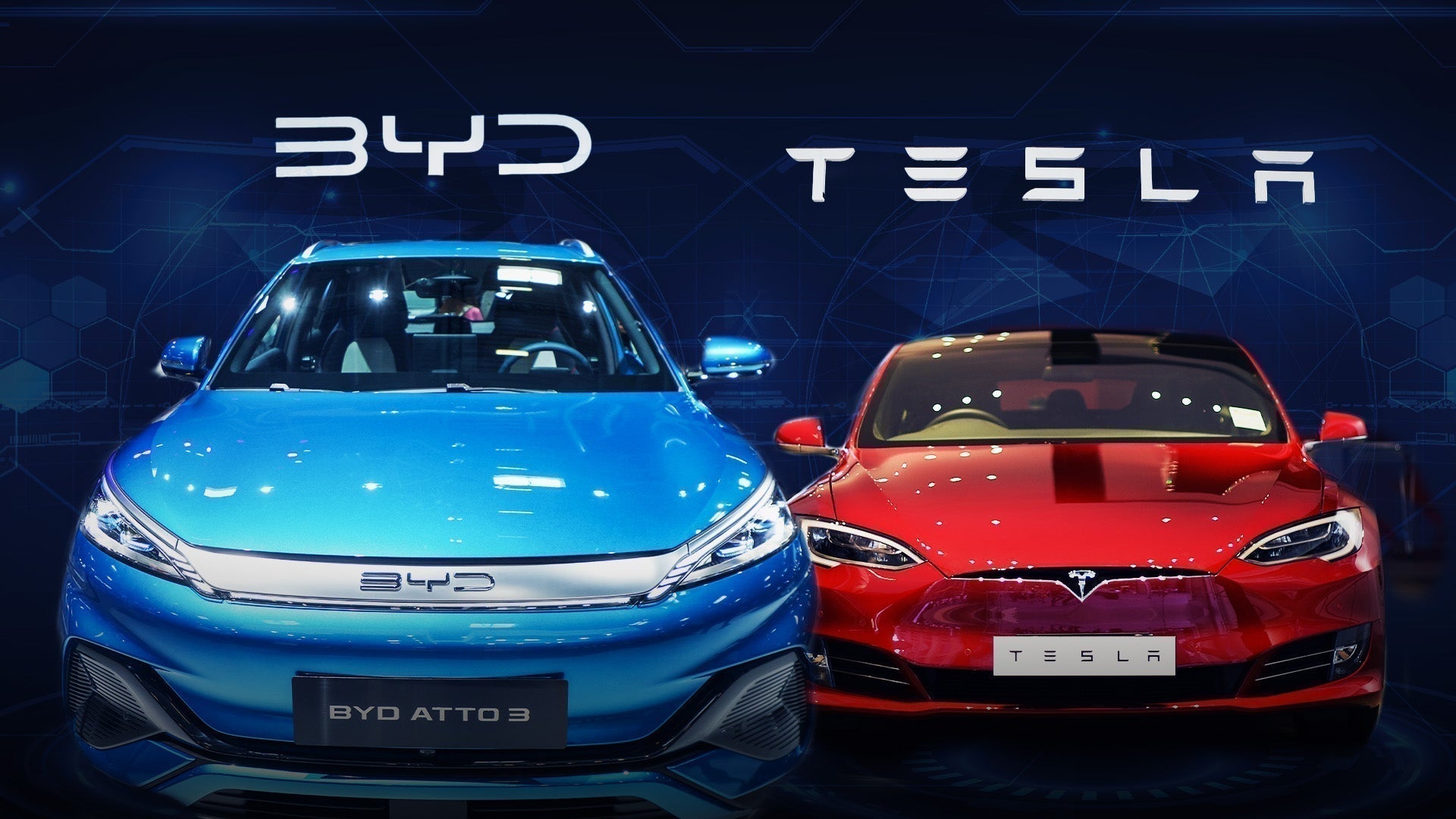
Tesla vs. BYD: Who’s Winning the EV War?
Tesla and BYD are neck-and-neck in the race for EV dominance. While BYD leads in global sales volume and affordability, Tesla maintains an edge in revenue, brand prestige, and AI innovation. As both companies pursue aggressive strategies, the EV war is far from over—and the winner may depend on who adapts faster to shifting global demands.
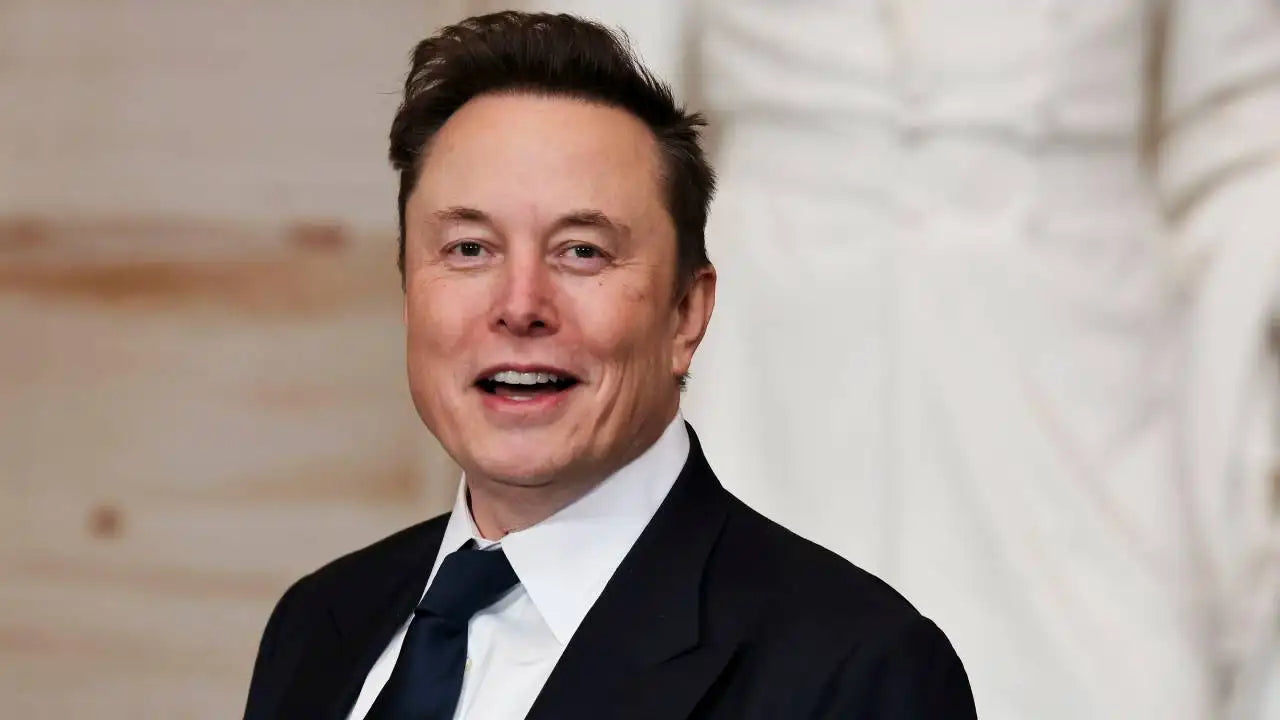
The Rise of Multiventure CEOs: Efficiency or Conflict of Interest?
This article examines the growing trend of CEOs managing multiple ventures, focusing on Elon Musk's leadership across Tesla, xAI, and SpaceX. It discusses potential synergies and risks—including governance concerns and divided attention—and outlines how multiventure leadership can succeed if supported by transparency, delegation, and strong shareholder communication.
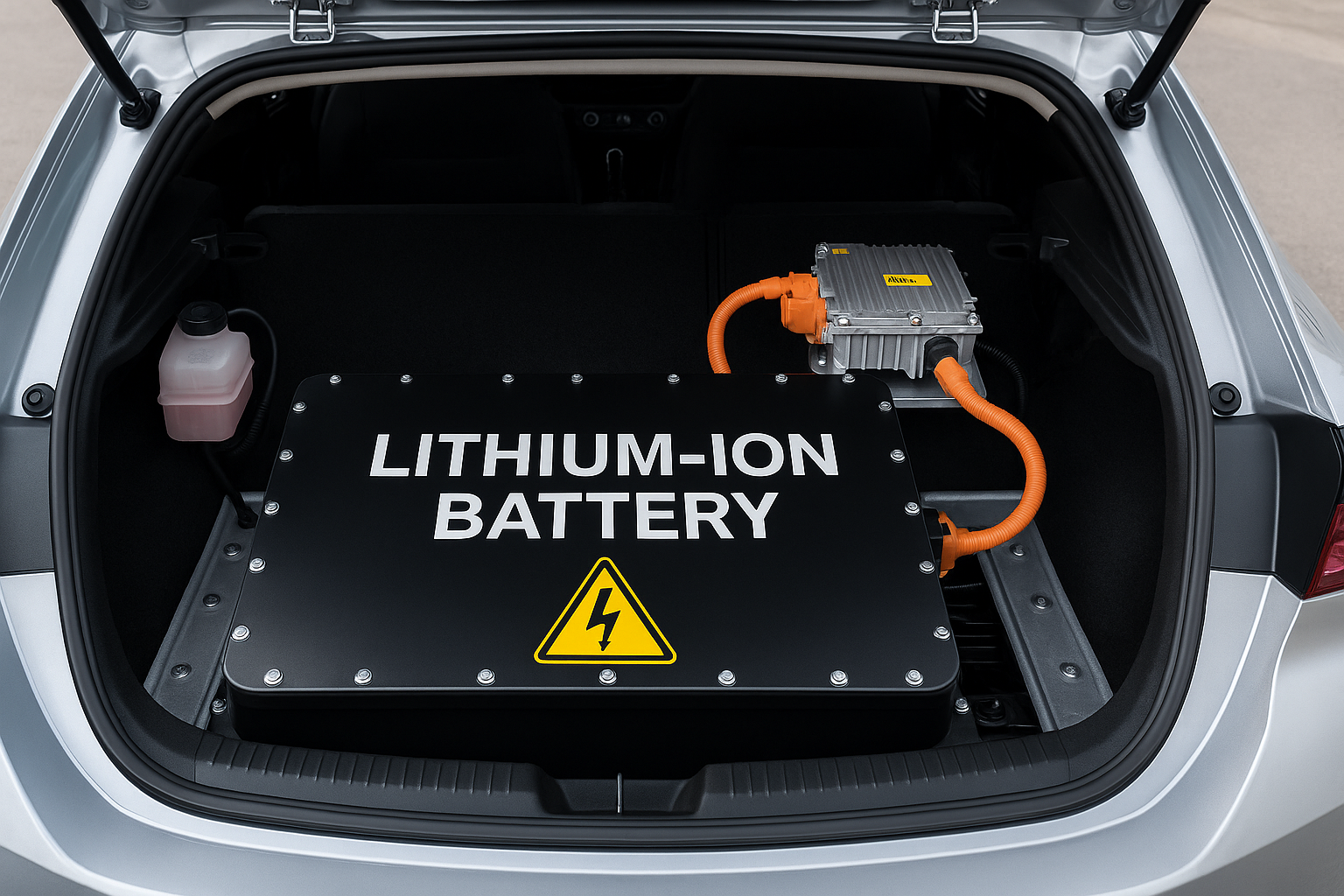
Lithium-ion Batteries and EVs: Powering the Electric Revolution
This article explores the essential role of lithium-ion batteries in electric vehicles (EVs), detailing their composition, performance advantages, and impact on driving range. It explains the different battery chemistries, safety mechanisms, and the challenges related to battery lifespan and recycling. It also highlights future advancements such as solid-state batteries and fast-charging technologies that will shape the next generation of EVs.
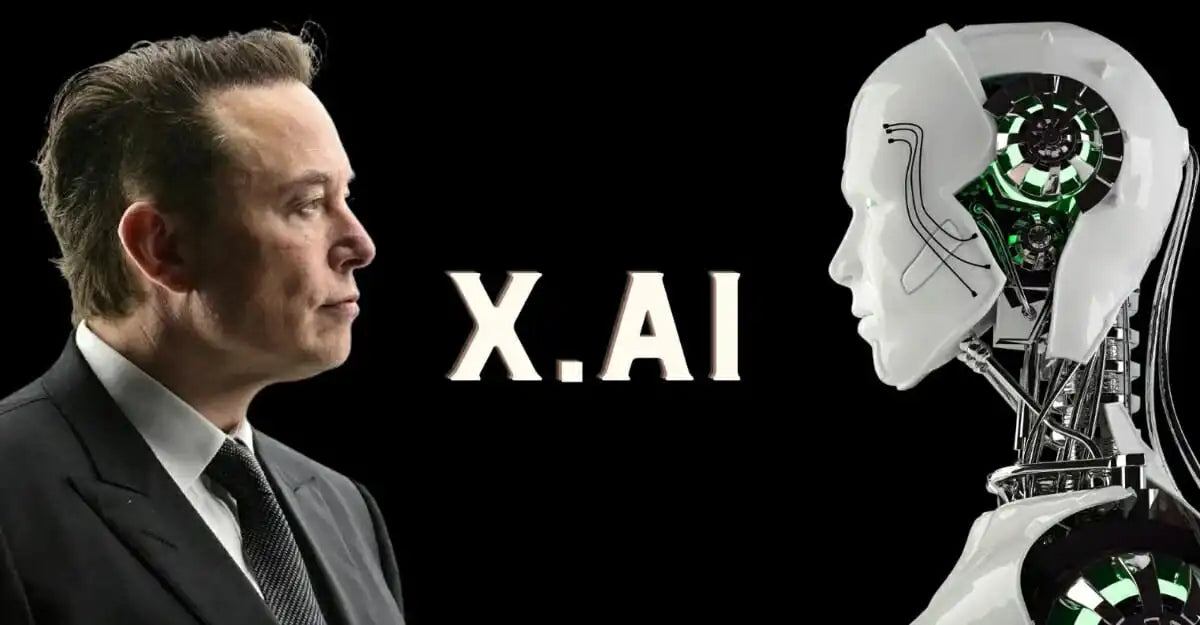
Elon Musk’s AI Ambitions: What Grok Means for Tesla’s Future
Elon Musk's AI startup xAI and its generative model Grok are poised to be integrated into Tesla's vehicles and operations. As shareholders prepare to vote on a potential investment, the move could redefine Tesla's ecosystem—blending AI with mobility. But governance concerns and market headwinds pose challenges to this ambitious pivot.
Why Tesla's Shareholder Vote on xAI Investment Is a Must-Watch Development
Tesla shareholders are set to vote on a potential investment in Elon Musk’s xAI startup. The outcome could deepen integration between AI and Tesla’s EV technology but also raises questions about corporate governance and Musk’s multitasking across ventures. This decision comes amid Tesla’s sales decline and investor concerns about the CEO’s growing political and business commitments.
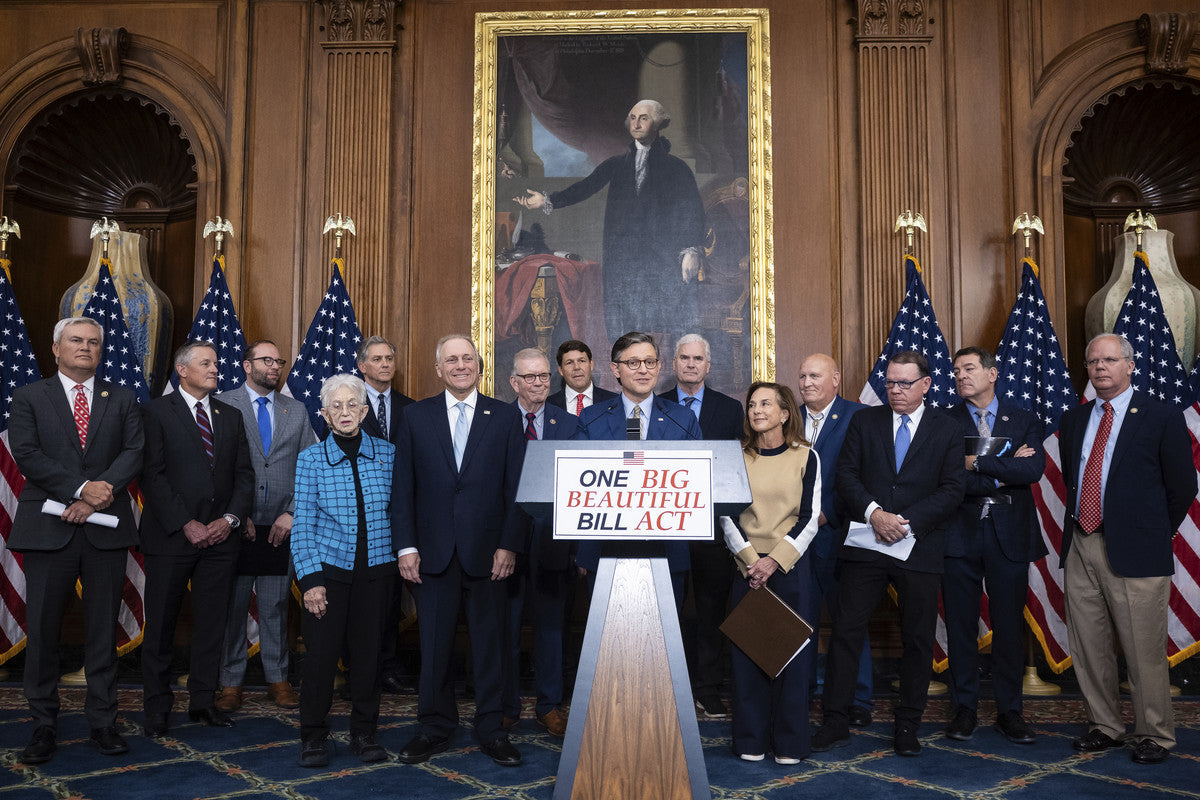
The Impact of Trump’s Big Beautiful Bill on the EV Leasing Market
What New EV Owners Need to Know: A Comprehensive Guide
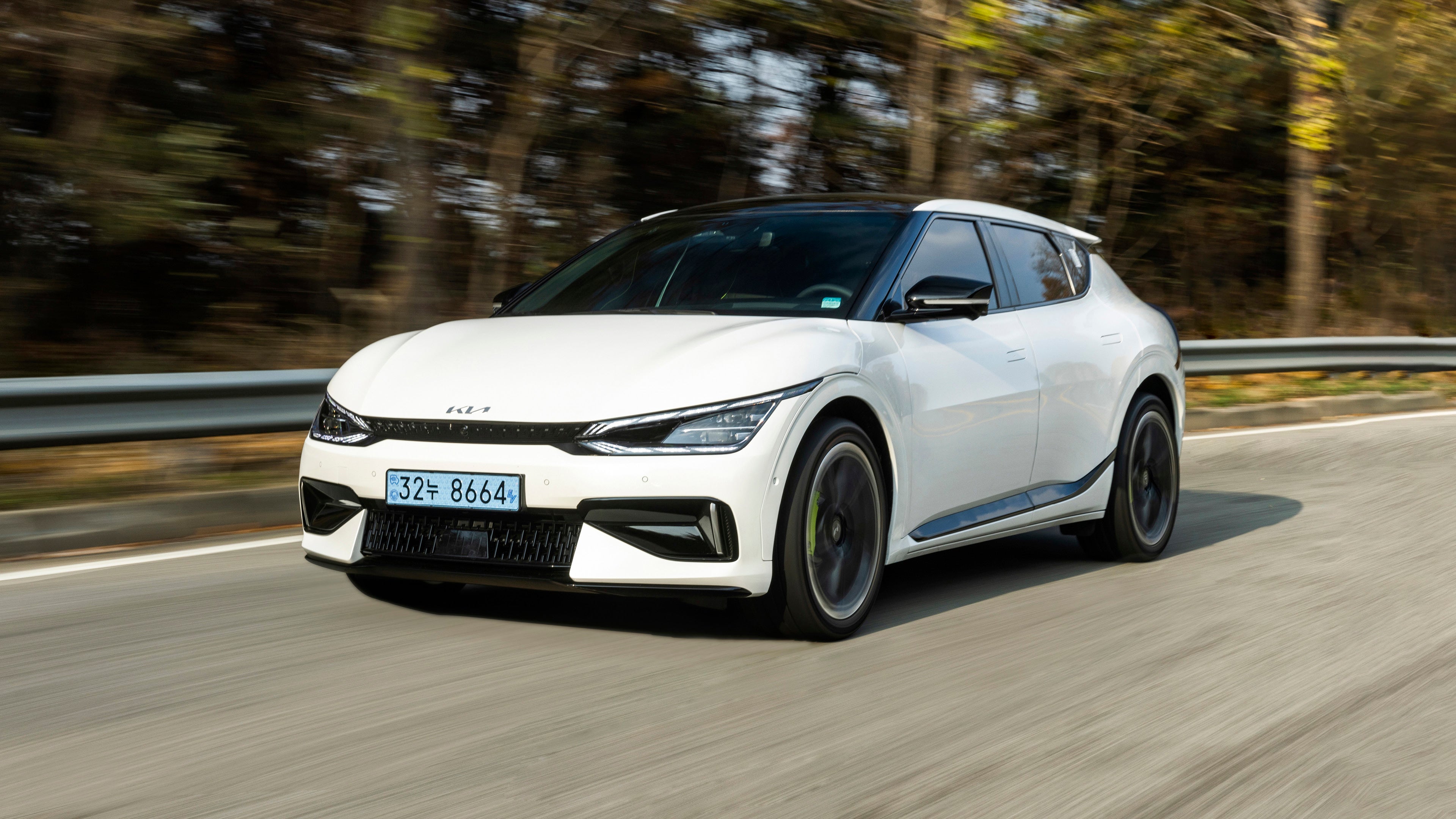
How Far Does a Kia EV6 Go on a Full Charge?
The Kia EV6 offers an EPA-estimated driving range from 218 to 310 miles depending on the model and drivetrain. Thanks to its 800V architecture, the EV6 supports ultra-fast charging that can replenish up to 217 miles in just 18 minutes. Real-world range varies based on driving style, climate, terrain, and vehicle load. Backed by a 10-year battery warranty, the EV6 balances long-distance capability with sustainability, making it a strong contender in the electric vehicle market.