



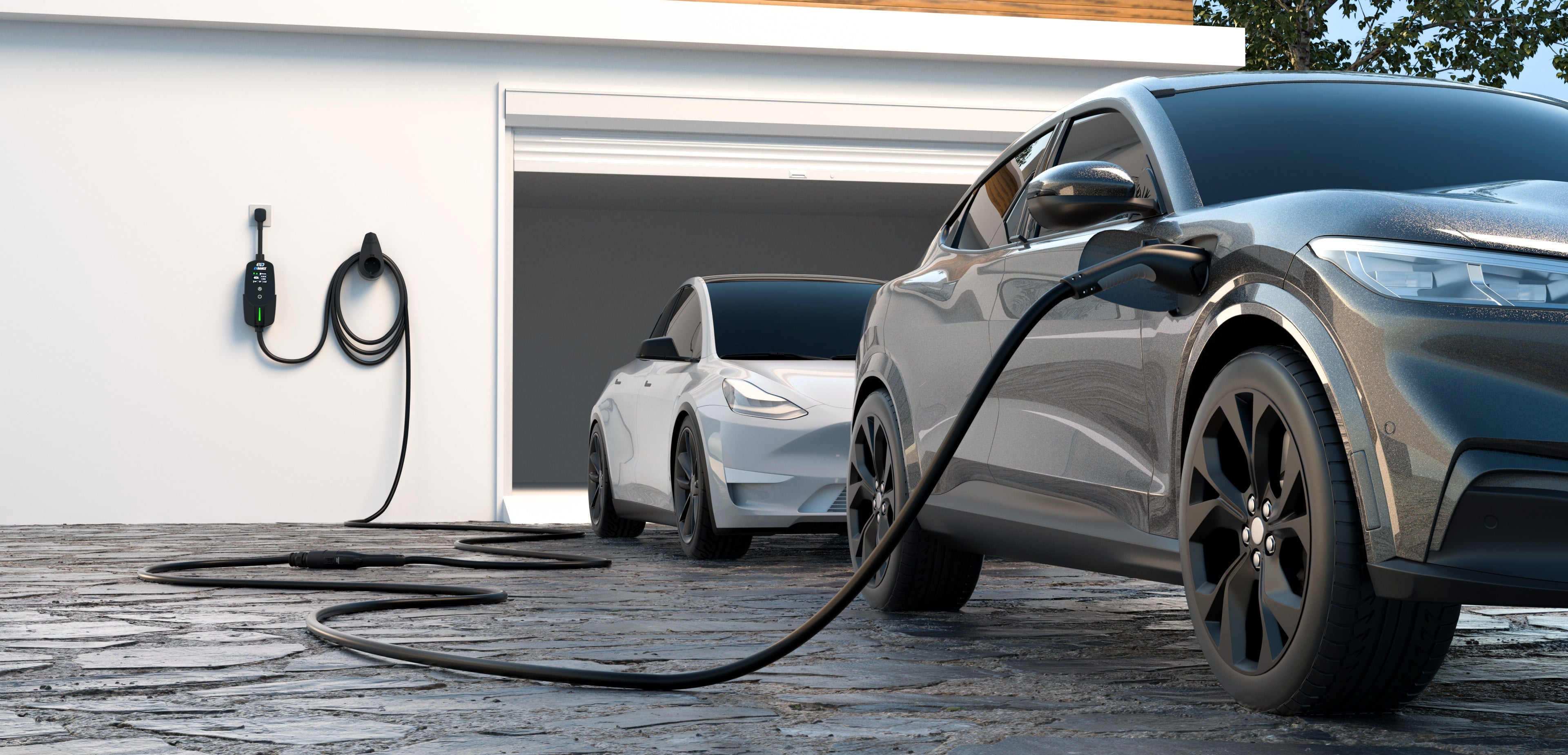
As more drivers make the switch to electric vehicles (EVs), many first-time EV owners are surprised to learn that they may not need a complicated or expensive charging setup at home. Level 1 charging, which uses a standard household 120V outlet, is often sufficient for typical daily commuting needs. But is it enough for you? Let’s explore the facts.
What Is Level 1 Charging?
Level 1 charging refers to plugging your EV directly into a regular wall outlet, the same kind you'd use for a toaster or lamp. This method doesn’t require any special installation or equipment—just a compatible charger (usually included with your EV) and access to a 120V socket.
-
Power output: Around 1.3 to 1.9 kW
-
Charging speed: 3 to 5 miles of range per hour
-
Equipment needed: None, beyond the portable charger that comes with your EV
This may sound slow—but depending on your lifestyle, it may actually be all you need.
How Many Miles Do You Really Drive Each Day?
The average American drives approximately 35 to 40 miles per day, according to U.S. Department of Transportation data. Using Level 1 charging overnight (roughly 10 to 12 hours) can restore between 30 and 50 miles—more than enough for most commuters.

Who Is Level 1 Charging Best Suited For?
Level 1 charging can be a great solution for:
-
Daily commutes under 50 miles
-
Overnight charging habits
-
Access to a dedicated home parking spot with a 120V outlet
-
Secondary vehicles that are used less frequently
If these describe your driving habits and environment, Level 1 charging may be a cost-effective and simple solution.
When Is Level 1 Not Enough?
You might need a faster option if:
-
You drive more than 60 miles per day
-
You can’t reliably park near a usable outlet
-
You occasionally need to “top off” quickly for back-to-back trips
-
You experience colder climates (charging efficiency can drop in freezing temperatures)
In these cases, a Level 2 home charger or regular access to public fast chargers may be worth considering.
Real-World Charging Scenarios
Let’s look at a few real-life examples:
-
Urban commuter (drives 25 miles/day): Charges overnight with Level 1, no problems.
-
Suburban family (50 miles/day average): Level 1 works, but occasionally uses public Level 2 charging when needed.
-
Ride-share driver (120+ miles/day): Relies on Level 2 home charging for daily recovery.
Your charging solution should reflect your routine—not your worst-case scenario.
Tips to Maximize Level 1 Charging Efficiency
-
Charge overnight consistently: Develop a daily habit to keep your range topped up.
-
Avoid full battery drain: Keeping your battery between 20–80% helps prolong battery life and keeps charging efficient.
-
Install a weatherproof outlet: If charging outdoors, use a weather-rated outlet enclosure for safety.
-
Monitor with an app: Most EVs or chargers have apps to track your charge in real-time.
The Cost Advantage of Level 1 Charging
One major benefit is that Level 1 charging uses your standard utility power—no extra installation, no expensive equipment, and lower peak load on your home electrical system. It’s the most budget-friendly EV charging solution for light users.
Final Verdict: Is Level 1 Enough for You?
If your daily commute falls within the 30–50 mile range and you have regular access to overnight charging at home, Level 1 is not only sufficient—it’s efficient and economical. Before upgrading, evaluate your true driving needs.
Summary
Level 1 charging may sound slow, but for the majority of first-time EV owners, it’s surprisingly practical. By understanding your daily mileage and making use of overnight charging, you can make the most of what’s already available in your garage or driveway—without spending a dime on upgrades.

Share:
Can I Charge My EV at Home Without Installing Anything?
Do All EVs Use the Same Plug? Plug Types Explained for New Drivers