



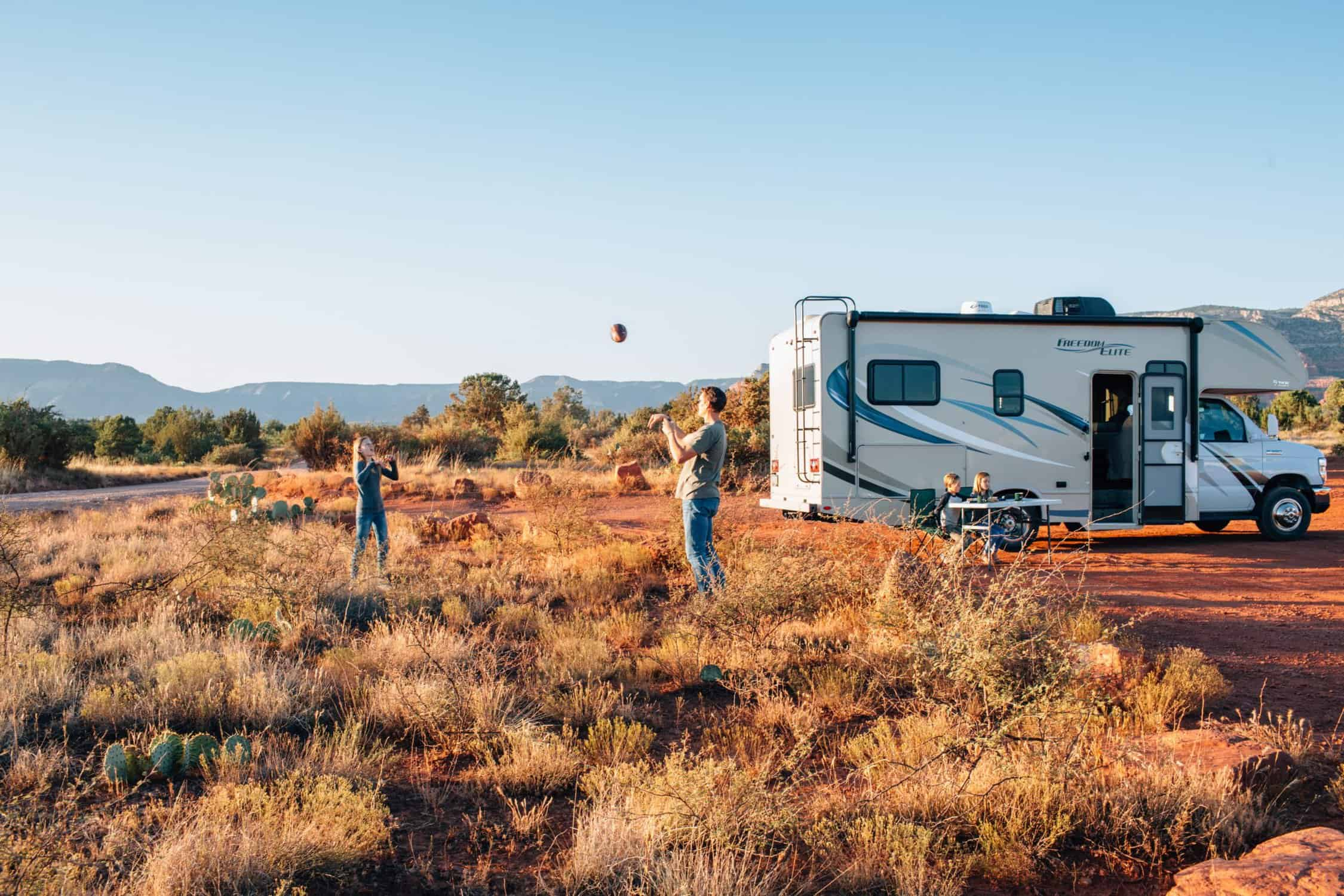
Why EV-Friendly Campgrounds Matter
As electric vehicles (EVs) become more common, one of the challenges for people who love the outdoors is finding places where they can camp and recharge without hassle. Many traditional campgrounds were built for tent campers or RVs, not EVs, and lack proper electrical infrastructure. For drivers, that means planning carefully to avoid “range anxiety” while traveling between natural destinations.
EV-friendly campgrounds solve that problem by offering Level 2 chargers or EV-adapted hookups. That turns a road trip + camping adventure into a smooth experience.
Below are some of the more established and popular campgrounds across North America where EV drivers have reported success charging and camping.

KOA Campgrounds (Multiple Locations, US & Canada)
If you want broad geographic coverage, it’s hard to beat Kampgrounds of America (KOA). Their network spans hundreds of campgrounds across the United States and Canada.
-
EV infrastructure: KOA partnered with charger manufacturer Jamestown Advanced Products to offer Level 2 EV chargers at select campgrounds since early 2022.
-
What to check: Not all KOAs support EV charging yet — campers should check the KOA website or call ahead to confirm EV-friendly hookups before booking.
-
Why it works: KOA sites are often located along major travel corridors, near national or state parks, or close to tourist routes — making them ideal for EV road-trip campers who want a reliable overnight charge plus basic camping amenities.
For any long-distance EV camper, KOA remains one of the most reliable broad networks for combining camping and charging.

Wasagaming Campground – Riding Mountain NP, Manitoba, Canada
If your road trip takes you through the Canadian wilderness, Wasagaming Campground offers a rare combination: proximity to nature and EV charging access.
-
Scenic setting: The campground is located inside Riding Mountain National Park, offering forested landscapes, wildlife viewing (including a protected bison sanctuary), lakes, and hiking trails — a true getaway from urban life.
-
EV charging availability: The campground area includes Level 2 Tesla charging stations (not limited to Teslas, provided you have the appropriate adapter), allowing EV drivers to top up while enjoying the park’s amenities.
-
Why it stands out: For EV owners traveling in the Canadian prairies or heading west, Wasagaming is among the best-known national-park campgrounds where you can reliably sleep, explore, and recharge without long detours for fast chargers.

Skye Texas Hill Country Resort – Fredericksburg, Texas, USA
In regions where EV-friendly infrastructure is relatively scarce, Skye Texas Hill Country Resort is a notable exception — and a forward-looking example for future developments.
-
Built with EVs in mind: Opened in 2024, this resort was designed from the ground up to support EV camping. Every site comes ready with EV charging capability, alongside modern amenities like high-speed internet.
-
Ideal for road-trippers: Located in Texas Hill Country near Fredericksburg — a popular stop for travelers between Austin, San Antonio, and the southern U.S. It’s a great mid-point or destination for EV owners exploring the region.
-
What to expect: Since every site is equipped for EV charging, campers don’t need to worry about availability or plug-in compatibility. For EV owners venturing into the often charger-sparse southern U.S., this resort offers a rare combination of convenience and comfort.
Additional Considerations When Camping with an EV
Using an EV for camping or road trips requires more planning than a standard gas car. Here are some key tips to make the experience smooth:
-
Confirm charger type before you go. Not all “electrical hookups” at campgrounds are suitable. RV pedestals (30- or 50-amp) might allow some charging, but may not support continuous draw safely. Many campgrounds are gradually upgrading to dedicated Level 2 chargers.
-
Use EV-specific resources: Apps and websites like PlugShare, ChargeHub, or Electrify America’s map are invaluable for locating nearby chargers, public fast-charging, or EV-friendly campgrounds — especially useful outside major metro areas.
-
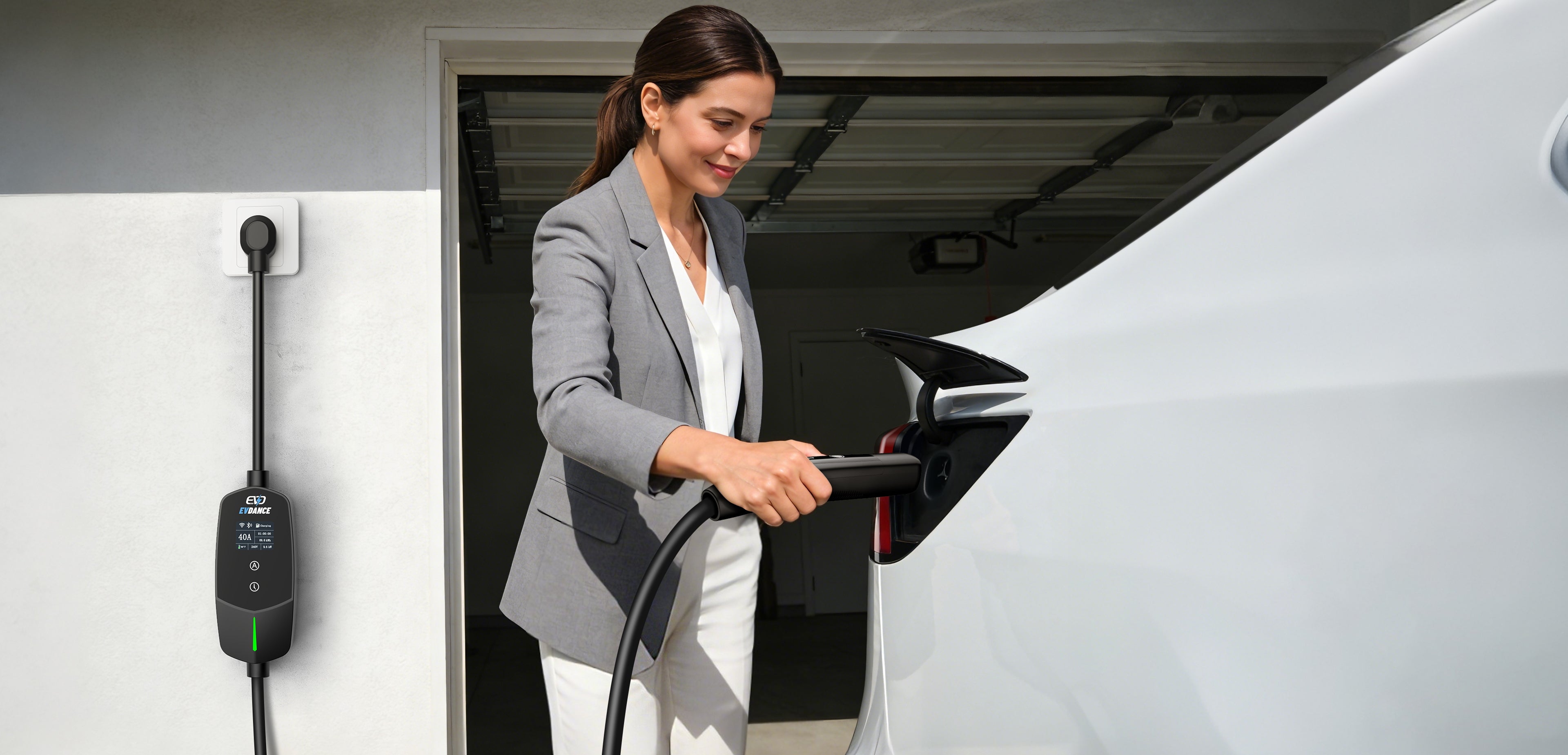
Carry proper adapters or mobile chargers. If your EV came with a mobile Level 2 charger or supports plugging into a standard 240 V outlet (NEMA 14-50 or similar), you’ll have more flexibility — especially in campgrounds that don’t yet support dedicated EVSE.
-
Be prepared to call ahead. Not all listings are fully accurate or up-to-date; policies and electrical infrastructure can change. A quick call to confirm charger availability or allowed power draw can help avoid surprises upon arrival.

Why EV Camping Is Gaining Popularity
EV-friendly camping is becoming more than a niche. A 2023 survey by the National Association of RV Parks and Campgrounds (ARVC) found that about half of responding RV parks/campgrounds report at least one EV-charging option on site, whether through adapters or dedicated chargers.
Additionally, with networks like KOA committing to install chargers across their 500+ campsites and stand-alone resorts like Skye Texas opening with full EV support, the infrastructure is finally catching up to the growing demand.
For campers, that means you no longer need to choose between comfort and sustainability — you can enjoy outdoor adventures while keeping your vehicle charged and ready for the next leg.
Conclusion: Where to Go Next for Your EV Camping Adventure
If you drive an EV and want a true camping-plus-charging experience, these campgrounds are among the most reliable and user-approved options:
-
KOA Campgrounds – widespread, familiar, and increasingly equipped for EVs.
-
Wasagaming Campground, Manitoba – excellent for a nature-heavy Canadian national-park adventure with charging access.
-
Skye Texas Hill Country Resort, Texas – a forward-looking EV-ready resort ideal for southern U.S. road trips.
When planning your next EV camping trip, combine smart route-planning (using apps like PlugShare or ChargeHub), proper adapters or mobile chargers, and pre-trip calls to campground staff to ensure availability. With a little advance work, EV owners can now enjoy long, scenic trips without worrying about range — and have a fully charged car ready for the road.
Recommend Reading: Using Your EV to Power Camping Gear: A Practical Guide to V2L
Share:
Winter EV Travel: Cold Weather Charging Tips
Best EV-Compatible Ski Resorts in North America