





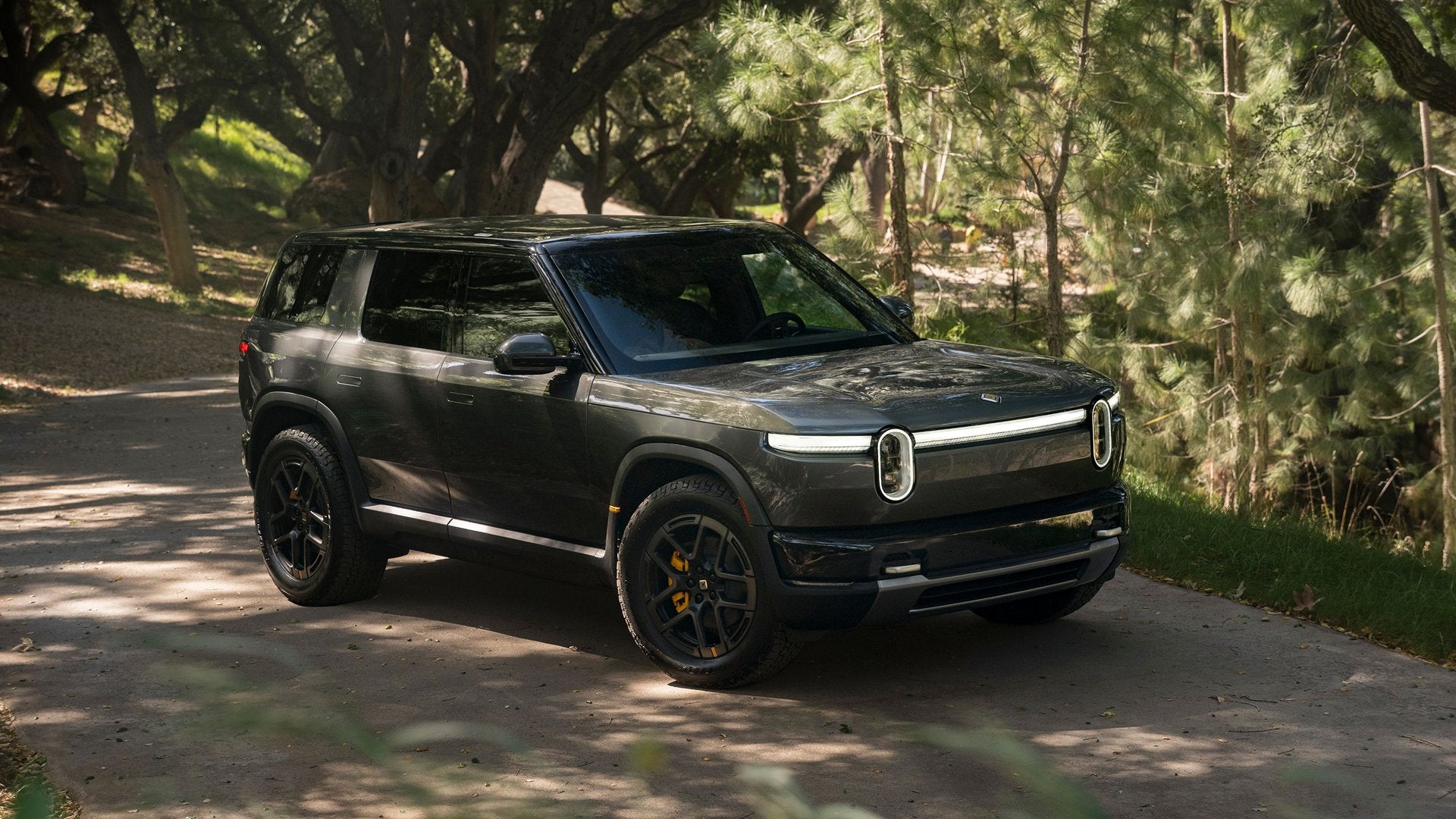
Certified figures highlight performance and efficiency
Recent certification data from U.S. regulators provides a clearer picture of how the upcoming Rivian R2 compares with established competitors. The first evaluated configuration—the 2027 R2 Performance equipped with 21-inch wheels—delivers both strong range and notable efficiency gains.
With a usable battery capacity of 88.67 kWh, slightly above earlier manufacturer disclosures, the vehicle achieved an official driving range of 335 miles on a full charge. This exceeds the company’s initial projection by a small margin and places it ahead of similarly positioned electric SUVs in its segment.

Efficiency comparison with Tesla Model Y
While range figures are important, the more striking difference lies in energy consumption. Based on EPA calculations, the R2 Performance reaches an average efficiency of 3.77 miles per kWh, equivalent to 26.52 kWh per 100 miles.
In contrast, the Tesla Model Y Performance, which also uses 21-inch wheels, is rated at 32 kWh per 100 miles (or 3.125 miles per kWh). This indicates that the Tesla consumes more energy to cover the same distance, giving Rivian a measurable advantage in efficiency under comparable conditions.
A separate test with 20-inch all-terrain tires on the R2 Performance yielded a slightly lower range of 314 miles, but still maintained a strong efficiency level at 28.57 kWh per 100 miles. Even in this less road-focused configuration, the Rivian continues to outperform its Tesla rival in energy use.
Broader lineup expectations
Beyond the high-end version, Rivian plans to introduce additional variants with different performance and pricing profiles. The dual-motor R2 Premium, which shares the same battery pack but features reduced output, is expected to deliver a similar driving range to the Performance model.
Meanwhile, a more accessible single-motor rear-wheel-drive version is projected to reach approximately 345 miles on a full charge. If confirmed, this would translate to an estimated efficiency near 3.9 miles per kWh (or 25.64 kWh per 100 miles), positioning it competitively within the broader EV market.
For context, the Tesla Model Y Long Range RWD is rated at 357 miles with an efficiency of about 25 kWh per 100 miles, suggesting that Tesla still maintains an edge in maximum range for certain configurations.
Charging capabilities and thermal management
Certification documents also provide insight into charging performance and supporting technologies. The R2 supports DC fast charging at up to 210 kW, allowing for relatively quick replenishment at compatible stations. For home or workplace charging, AC input is capped at 11.5 kW.
A key contributor to the vehicle’s efficiency is its redesigned heat pump system. Compared with earlier implementations, this updated setup integrates multiple components—including valves, sensors, and heat exchangers—into a single compact unit. The result is improved thermal efficiency, reduced noise, and better overall energy management in varying climates.
Importantly, this system is expected to be standard across all R2 variants, ensuring consistent performance benefits regardless of trim level.
Production timeline and pricing structure
Initial deliveries of the R2 are scheduled to begin in spring 2026, starting with the Performance variant. Early units will be allocated internally before broader distribution reaches customers.
Pricing for the lineup has been outlined as follows:
- R2 Performance: starting at $59,485
- R2 Premium: starting at $55,485
- R2 Standard (dual-motor): from $49,985
- R2 Standard (smaller battery): expected at $46,495 with over 275 miles of range
This tiered approach positions the R2 across multiple price brackets, aiming to compete directly with mainstream electric SUVs while offering varying levels of performance and range.
Market implications
The newly released data suggests that Rivian is prioritizing efficiency improvements alongside range and performance. Surpassing Tesla in energy consumption metrics—particularly in higher-performance configurations—marks a notable development in the competitive landscape.
At the same time, differences in charging infrastructure, pricing strategies, and long-term reliability will continue to influence buyer decisions. While EPA figures provide a standardized comparison, real-world conditions may vary depending on driving habits and environmental factors.

Conclusion
The latest certification results indicate that the Rivian R2 delivers a strong balance of range and efficiency, with measurable advantages over the Tesla Model Y Performance in energy consumption. As additional variants enter the market, the model’s positioning will become clearer across different price and performance tiers.
With production ramping up and deliveries approaching, the R2 represents a significant step in Rivian’s expansion into the mid-size electric SUV segment—one that could reshape expectations around efficiency in this category.
Recommend Reading: Rivian R2 Global Launch: How a Unified 5G System Cuts Costs
Share:
Tesla Q1 2026 Deliveries Miss Forecast Despite Growth
Kia EV3 Range Explained: How a Boxy EV Reaches 320 Miles