





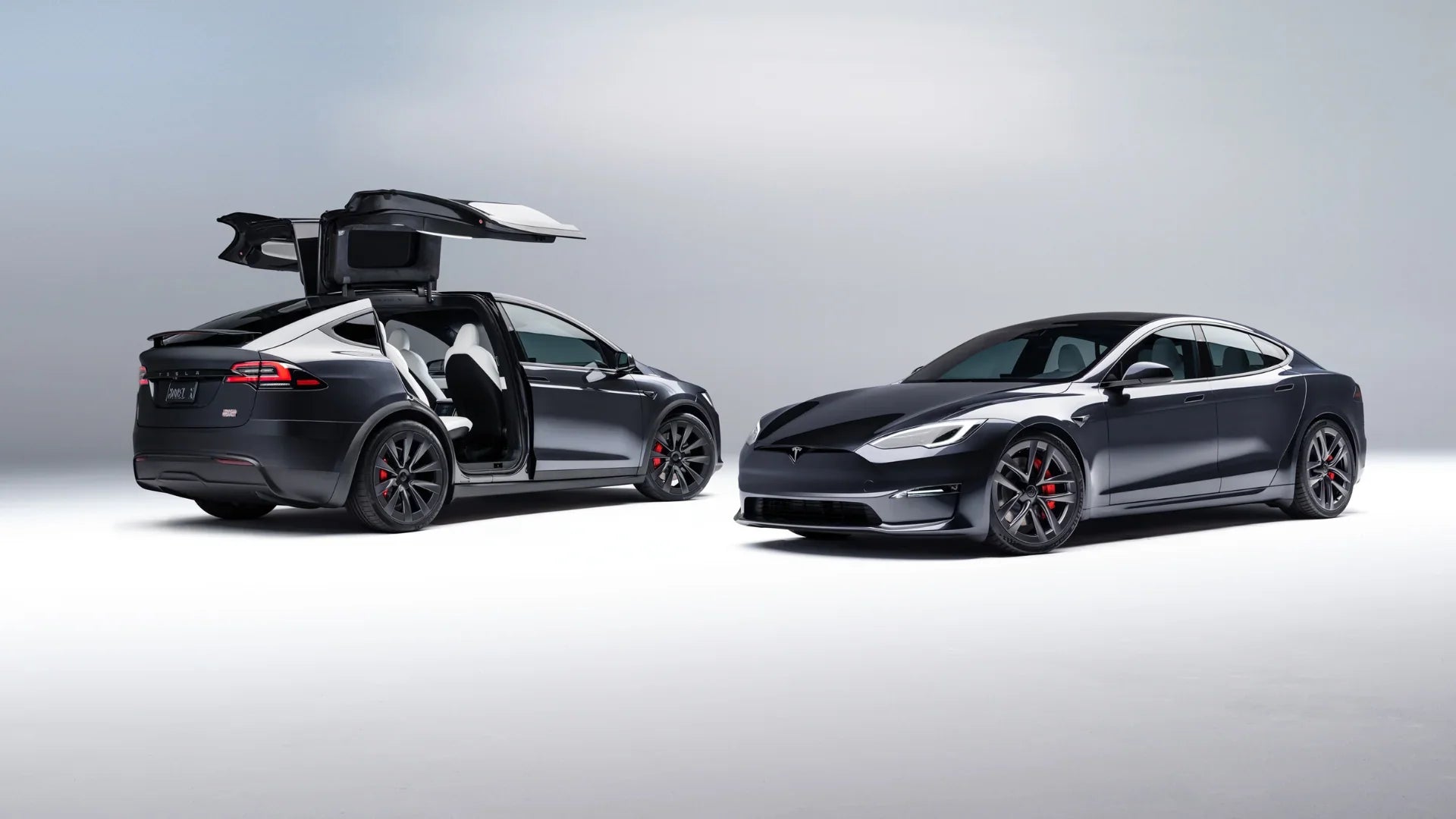
Delivery Results Fall Short of Expectations
Tesla reported its first-quarter 2026 vehicle delivery figures, showing modest growth but failing to meet market projections. The company delivered 358,023 vehicles, representing a 6.3% increase compared to the same period last year.
Production volumes were higher, reaching 408,386 units, which marked a nearly 13% year-over-year rise. Despite this output, deliveries came in below analysts’ expectations of 365,645 vehicles, indicating a gap between supply and actual sales performance.

Model 3 and Model Y Dominate Output
The majority of Tesla’s deliveries continued to come from its core models. The Model 3 and Model Y accounted for 341,893 units, making up the bulk of the company’s quarterly results.
Other vehicles, including the Cybertruck and models that have recently been phased out, contributed 16,130 units. This smaller category highlights Tesla’s reliance on its high-volume models to sustain overall sales figures.
Energy Storage Business Declines
In addition to vehicle deliveries, Tesla reported a decrease in its energy storage deployments. Total installations fell to 8.8 gigawatt-hours, down from 10.4 GWh in the same quarter a year earlier.
This decline suggests that, alongside its automotive segment, Tesla’s broader energy business is also experiencing fluctuations, potentially reflecting changing market conditions or supply dynamics.
Context: A Weak Prior Year Comparison
While Tesla’s year-over-year growth appears positive, it comes against a relatively weak baseline. The first quarter of 2025 was one of the company’s lowest-performing periods in recent years.
At that time, Tesla was still scaling production of an updated Model Y, which affected output consistency. Additionally, CEO Elon Musk was involved in a controversial government-related role, which coincided with public protests targeting the company.
These factors contributed to a lower comparison point, making the current year’s growth less indicative of strong underlying momentum.
Market Position Remains Strong
Despite missing expectations, Tesla continues to lead the U.S. electric vehicle market by a wide margin. The company’s delivery volume significantly exceeds that of its closest competitors.
For example, General Motors, currently the second-largest EV seller in the United States, reported 25,900 electric vehicles delivered during the same quarter—less than one-tenth of Tesla’s total.
This gap underscores Tesla’s dominant position, even as its growth rate shows signs of slowing.
Increasing Competition Across Segments
Although Tesla remains the market leader, competition is intensifying. More affordable electric vehicles are entering the market, offering strong value propositions.
Models such as the Chevrolet Bolt and Nissan Leaf have re-emerged with improved range, updated software, and competitive pricing, making them attractive alternatives for cost-conscious buyers.
At the higher end, European manufacturers are also gaining ground. Vehicles like the BMW iX3, Volvo EX60, and Mercedes-Benz GLC EV are introducing advanced features, including longer driving ranges, faster charging capabilities, and next-generation digital systems.
Product Pipeline and Future Outlook
One area of uncertainty for Tesla is its future product lineup. The company has not formally introduced any new production models in recent announcements.
However, Elon Musk has suggested that a new vehicle is in development, describing it as significantly different from traditional family vehicles. Specific details remain limited, leaving questions about how Tesla plans to maintain its competitive edge.
As rival manufacturers expand their offerings, the absence of fresh products could gradually reduce Tesla’s lead if not addressed.

Conclusion
Tesla’s first-quarter 2026 results highlight a mixed performance. While deliveries increased compared to the previous year, the company did not meet market expectations, and growth appears to be moderating.
The brand remains the dominant force in the U.S. EV market, but rising competition and a lack of new model announcements could present challenges ahead. How Tesla responds in the coming quarters will play a key role in determining its long-term position in an increasingly crowded electric vehicle landscape.
Recommend Reading: U.S. EV Sales Fell Sharply in January, but Some Brands Expanded


Share:
Uber Expands EV Incentives to All U.S. Drivers
Rivian R2 vs Tesla Model Y: EPA Data Shows Efficiency Gap