



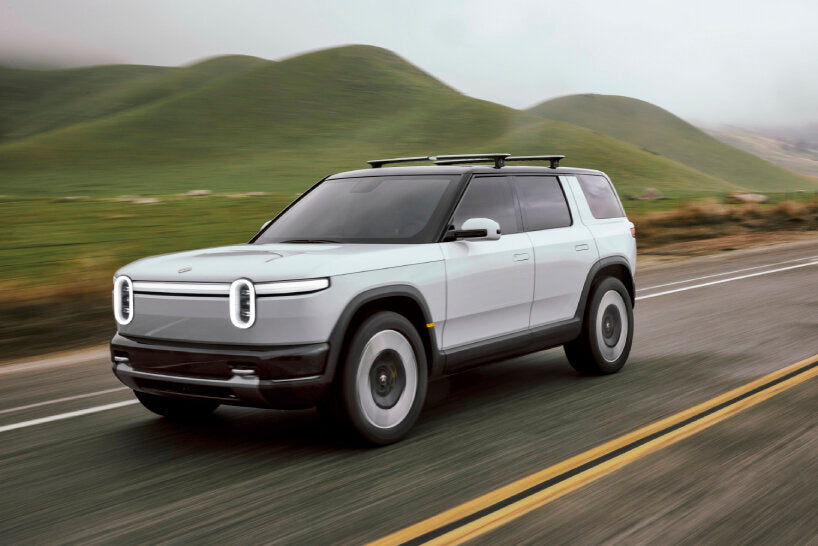
Autonomy Is Closer Than You Think
Let’s be honest—many drivers don’t use driver-assistance systems the way they should. People are texting, scrolling TikTok, or unwrapping a burrito while their car “helps” them drive. Rivian CEO RJ Scaringe knows this reality all too well. That’s why the company is pushing hard to take autonomy to the next stage.
According to Scaringe, Rivian is on the “precipice” of launching a more advanced hands-free driving system that covers both highways and city streets. Even more impressive, Rivian is targeting point-to-point hands-free driving by 2026.
Rivian’s Roadmap to Point-to-Point Autonomy
In a recent interview, Scaringe outlined the company’s phased approach:
-
First came hands-free highway driving.
-
Next is hands-free everywhere.
-
Then comes address-to-address driving, where the vehicle handles the full journey.
Scaringe admitted timelines are tricky:
“It’s hard to be overly precise… But we’ve said in 2026 we’ll be hands-free point-to-point. We’ll show some of this at our autonomy day, and then we’ll increasingly start to allow eyes-off.”

The Problem With Level 2 Autonomy
Right now, nearly every “self-driving” car on sale is technically Level 2, meaning the driver must stay alert and ready to intervene. But in practice, most people treat these systems as if they were Level 3—hands off, eyes off.
Scaringe calls out this charade directly:
“Most systems are Level 2. The way it’s measured is your hands on the wheel or eyes on the road. But in reality, people are still texting. It’s just a workaround pretending Level 2 is Level 3.”
Rivian’s pitch is simple: stop pretending. Build a system that actually lets the car do the driving.
Why Hands-Free Driving Matters
This isn’t just about convenience. The auto industry increasingly sees personal autonomy as the next big sales driver. A recent study even confirmed that hands-free driving is now the most requested feature in new cars.
Tesla’s early lead in autonomy helped fuel its rapid growth, Scaringe noted, and the tech has boosted demand for EVs as a whole. Rivian hopes to ride the same wave.
By 2030, Scaringe expects hands-off, eyes-off driving in most situations to be a key factor in car-buying decisions—potentially accelerating EV adoption along the way.

The Bigger Picture: Autonomy as a Sales Hook
For automakers, autonomy isn’t optional anymore—it’s a competitive necessity. If your neighbor’s EV can drive itself point-to-point, your lane-keeping assist suddenly feels outdated.
Still, Rivian faces the same challenge that has tripped up many rivals: actually delivering on time. Scaringe remains optimistic that Rivian can be one of the companies to push the industry forward.
Because, at the end of the day, somebody has to build the future—and Rivian is betting it will be them.
Recommend Reading: Now Judge Allows Class Action Over Tesla’s Self-Driving Claims
Share:
Walmart to Launch Thousands of EV Charging Stations by 2030
Porsche Reconsiders Virtual Gear Shifts for EVs After Initial Pushback