





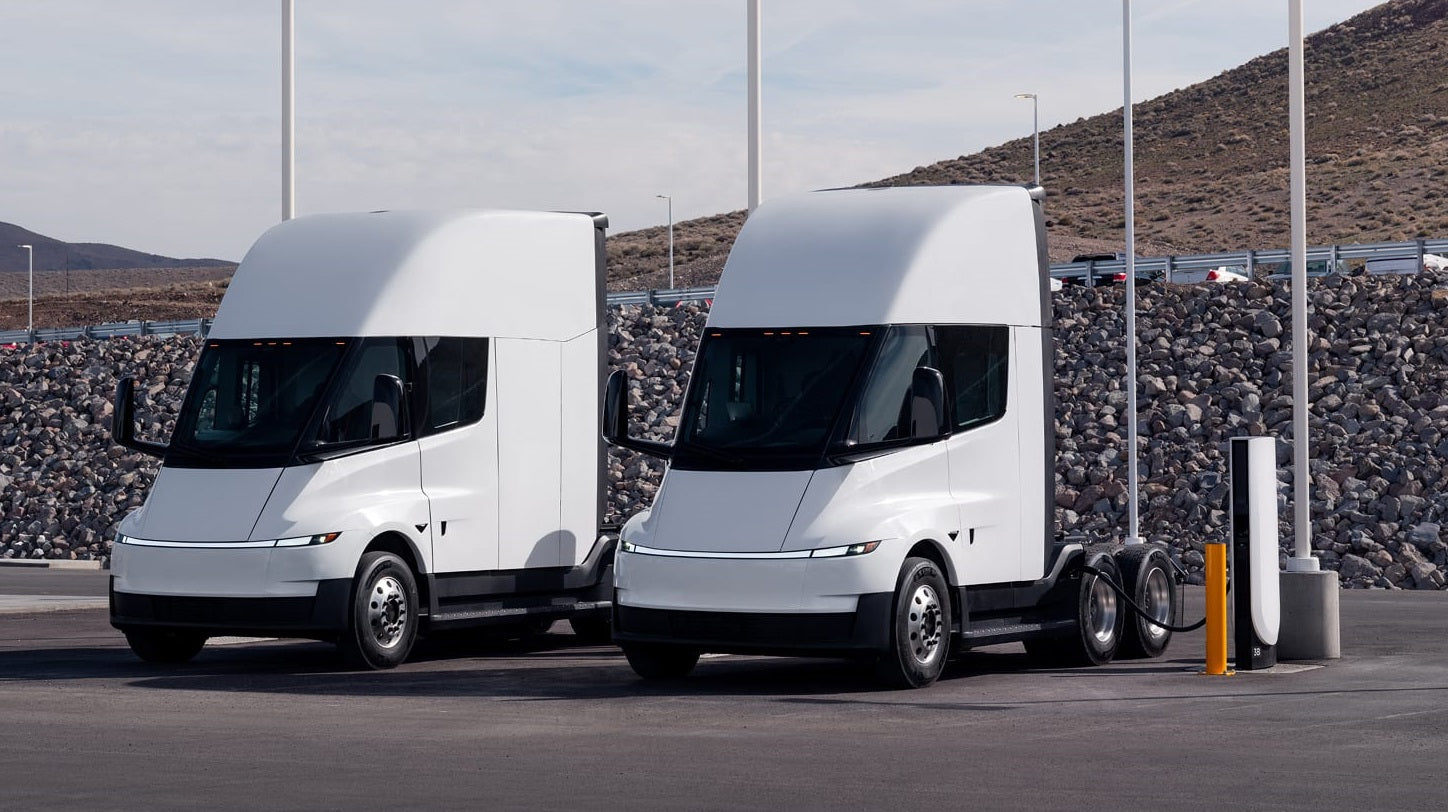
Tesla’s newly introduced Basecharger is not designed for everyday passenger EV charging; it targets commercial fleets, offering lower-power DC charging optimized for electric trucks and depot use.

A Charger Built for Fleet Operations, Not Public Use
Tesla’s latest charging hardware may resemble its familiar fast-charging units, but its purpose is entirely different. The Basecharger is specifically engineered for controlled environments such as logistics hubs, where electric trucks remain parked for extended periods.
Unlike public-facing fast chargers, this system prioritizes consistency and cost efficiency over peak charging speed. It is not intended for roadside deployment or consumer use, meaning most drivers are unlikely to encounter one in daily life.
Moderate Power Output Suited for Large Batteries
The Basecharger delivers up to 125 kW of charging power, which is modest compared to high-end DC fast chargers used by passenger EVs. However, this level is carefully chosen to match the needs of heavy-duty electric trucks.
For example, Tesla indicates that a Class 8 electric truck can reach approximately 60% charge in about four hours using this setup. While that may sound slow compared to car charging standards, it aligns well with fleet downtime, such as overnight parking or scheduled loading intervals.
Simplified Hardware Reduces Installation Complexity
One of the key technical differences lies in how the Basecharger handles power conversion. Traditional fast chargers for passenger vehicles often rely on large external cabinets to convert AC electricity into DC power.
The Basecharger avoids this bulky infrastructure. Instead, Tesla integrates a portion of its existing Supercharger power electronics directly into the unit. Specifically, it uses a modular component derived from the V4 Supercharger system, eliminating the need for a separate conversion cabinet.
This design significantly reduces both physical footprint and installation complexity, making it more practical for depot environments.
Scalable Setup for Cost Efficiency
Tesla has also focused on reducing operational costs through flexible deployment. Multiple Basechargers can be connected in sequence, allowing them to share electrical capacity.
Up to three units can operate on a single breaker, distributing a combined load of 125 kVA. This shared configuration helps fleet operators minimize infrastructure investment while maintaining sufficient charging capability across multiple vehicles.
Such scalability is particularly valuable for companies managing large fleets, where balancing cost and charging availability is critical.
Positioned Between Level 2 and High-Speed DC Charging
In practical terms, the Basecharger occupies a middle ground between traditional Level 2 chargers and ultra-fast DC systems.
It offers more power than typical AC charging setups but avoids the high costs and grid demands associated with rapid charging networks. This makes it especially suitable for vehicles with large battery packs that do not require immediate turnaround times.
For electric trucks, which often operate on predictable schedules, this balance is more useful than maximum charging speed.
Why Tesla Is Expanding Beyond Passenger Charging
Tesla’s move into fleet-oriented charging reflects a broader shift in the electric vehicle market. As commercial electrification accelerates, infrastructure needs are becoming more specialized.
Passenger vehicles benefit from fast, widely accessible charging networks. In contrast, fleet operators prioritize reliability, cost control, and predictable energy delivery within private facilities.
The Basecharger addresses these requirements directly, suggesting Tesla is positioning itself not only as a consumer charging provider but also as a key player in commercial EV infrastructure.

FAQ
Why did Tesla create the Basecharger?
Tesla developed the Basecharger to serve electric truck fleets. It is designed for depot charging, where vehicles can charge over several hours instead of needing rapid turnaround.
How powerful is the Tesla Basecharger?
The system delivers up to 125 kW, which is lower than typical fast chargers for cars but sufficient for large commercial EV batteries over longer charging sessions.
Can regular EV drivers use the Basecharger?
No. The Basecharger is intended for private fleet environments and is not expected to be installed at public charging locations.
How is it different from Superchargers?
Superchargers are built for fast, high-power charging on the road. The Basecharger focuses on slower, more cost-efficient charging in controlled settings without large external power cabinets.
What are the cost advantages of this system?
By allowing multiple units to share a single electrical connection and removing the need for separate power cabinets, the Basecharger reduces both installation and operational expenses.
Recommend Reading: US EV Charging Growth Continues Despite Slower Vehicle Sales


Share:
BMW iX3 U.S. Range Estimate Raised to 434 Miles
How Tesla’s New Cooling Idea Could Improve EV Range