



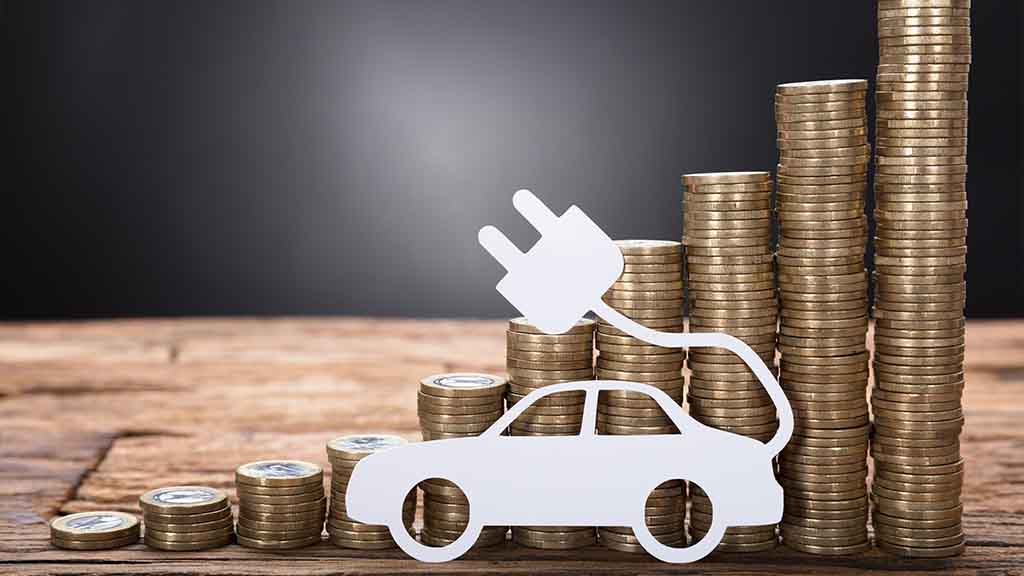
Electric vehicles are already cheaper to fuel than gas-powered cars, but many drivers still pay more than necessary for charging simply because they don’t use the right tools, schedules, or programs available to them.
The good news: lowering your charging cost by 30% is realistic—and in many cases, easy.
Below is a detailed guide with real-life examples, actionable tips, and proven strategies to help EV drivers cut down charging costs without sacrificing convenience.

Understanding Where EV Charging Costs Come From
Before optimizing, it’s important to understand what drives your total charging cost:
-
Your utility’s electricity pricing structure
-
Peak vs. off-peak charging hours
-
Battery size and charging frequency
-
Home vs. public charging
-
Access to free or discounted charging programs
-
Workplace or community charging options
Targeting even two or three of these factors can reduce your total cost by 30% or more.
Time-of-Use (TOU) Plans: The Most Powerful Way to Cut Costs
One of the most effective ways to lower EV charging costs is by enrolling in an electricity utility’s EV-specific Time-of-Use (TOU) rate plan, where overnight electricity often costs 40–70% less.
How It Works
Utilities charge different rates depending on the time of day:
-
Peak hours (late afternoon–evening): expensive
-
Off-peak hours (late night–early morning): much cheaper
Charging during the off-peak window can immediately slash your charging bill.
Real Example
A Los Angeles EV driver on Southern California Edison’s TOU-D-PRIME plan pays:
-
$0.54/kWh during peak
-
$0.18/kWh off-peak
Charging a 77 kWh battery from 20% to 80% costs:
-
Peak: $25.00
-
Off-peak: $8.33
That’s a 66% savings, far exceeding the 30% target.
How to Save
-
Check your utility’s website for “EV TOU plans”
-
Use your charger’s app or vehicle scheduling feature
-
Set charging to begin automatically after 11 PM or midnight
This single step can reduce annual charging costs by hundreds of dollars.
Choose Home Charging Over Public Fast Charging
Public DC fast chargers (like Electrify America or EVgo) are convenient but expensive.
Home charging is almost always cheaper—even more so with a TOU plan.
Cost Comparison
-
Home charging: $0.12–$0.30/kWh
-
Public Level 2: $0.25–$0.45/kWh
-
DC fast charging: $0.39–$0.69/kWh
If you fast-charge twice a week, switching half of those sessions to home charging can easily cut your overall cost by 20–30%.
Real Example
A driver who charges their Volkswagen ID.4 at a local EA station pays ~$17.50 per session.
The same charge at home off-peak costs $6–$8.
Switching 8 sessions per month saves roughly $80/month, or almost $1,000/year.

Leverage Workplace Charging — Often Free or Discounted
Many companies now offer free or subsidized workplace charging as an employee benefit.
Why It Helps
-
It shifts charging away from expensive peak home hours
-
Many workplaces use solar-offset electricity
-
Some charge a flat low rate (e.g., $0.10/kWh)
Real Example
Google (Mountain View campus) offers employees free Level 2 charging.
An employee commuting 40 miles per day saves ~$60–$90 per month by charging only at work.
Even partial access—such as charging once or twice a week—can cut total charging cost by 20%+.
Find Free Public Chargers in Your Area
Free charging exists more often than people realize:
-
Hotels
-
Shopping malls
-
Grocery chains (e.g., some Whole Foods, Kroger locations)
-
City or county public parking lots
-
Universities on weekends
-
Car dealerships for compatible makes
Tools for Locating Free Chargers
-
PlugShare (filter by “Free”)
-
Volta (some still offer free L2 charging)
Real Example
A Nissan LEAF owner in Portland charges 15 kWh weekly at a local library that offers free Level 2 charging. That alone saves:
-
~$12/week
-
~$600/year

Use Solar + Home Storage (If Possible)
For homeowners, solar panels paired with EV charging can dramatically reduce electricity cost—even to near zero.
Why It Works
-
EV charging increases home electricity usage by 20–50%
-
Solar offsets the most energy-intensive part of your bill
-
Storage batteries let you charge even when the sun isn’t out
Real Example
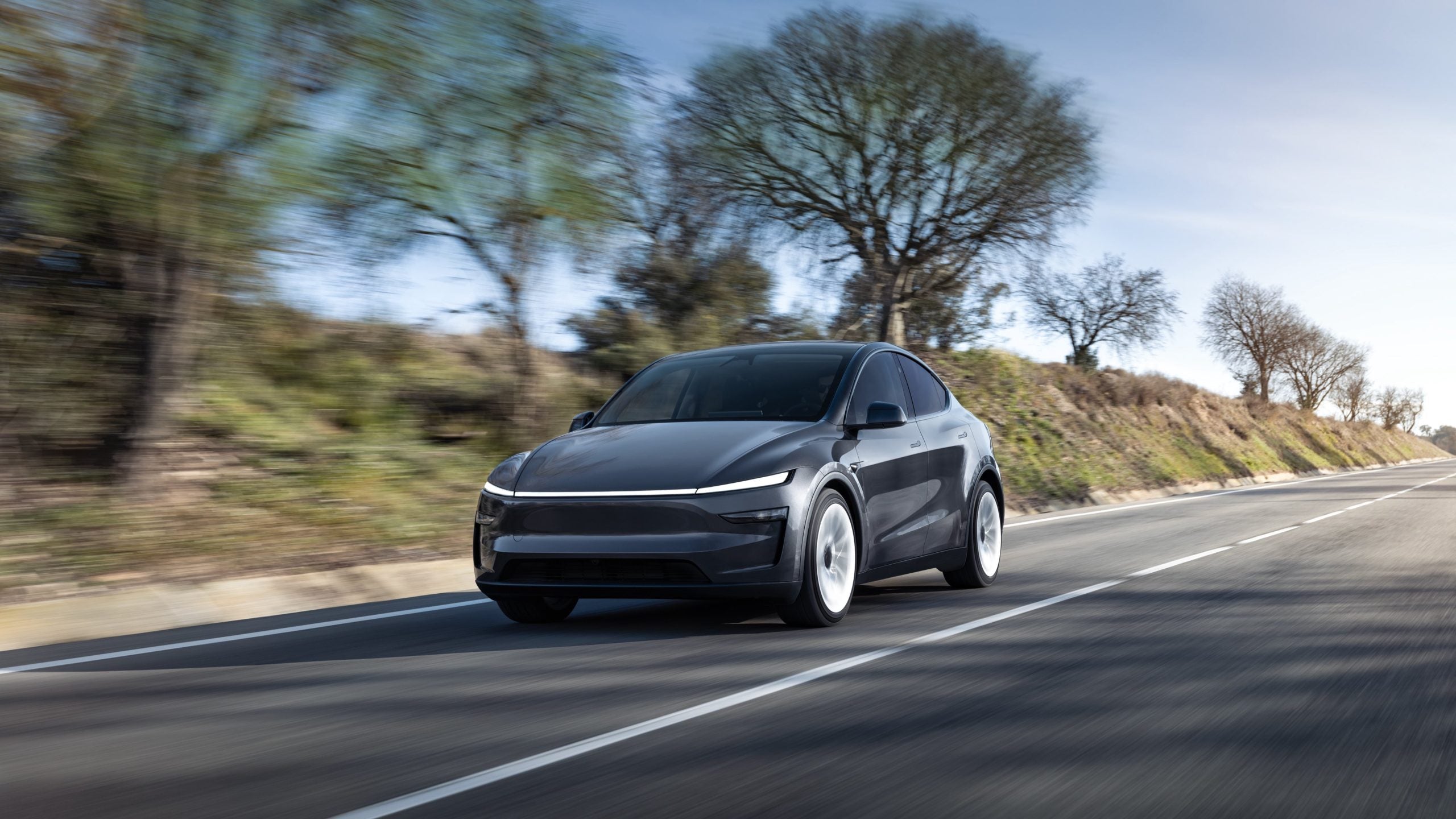
A Tesla Model Y owner in Arizona charges using a 6 kW solar setup:
-
Home charging cost dropped from ~$85/month to $12/month
-
Total EV charging cost reduced by over 80%
While not required to hit the 30% goal, solar makes long-term EV ownership extremely inexpensive.

Reduce Charging Losses With Smart Charging Habits
Many drivers lose 10–15% of energy through charging inefficiencies. Small adjustments can reduce this.
Practical Tips
-
Charge between 20%–80% for daily use
-
Use Level 2 instead of DC fast charging when possible
-
Avoid charging in extremely hot or cold weather (pre-condition your battery)
-
Keep cables clean and dry to prevent resistance
Reducing charging losses alone saves about 5–8% on monthly charging costs.
Use Charging Memberships Wisely
Many networks offer subscription plans that lower per-kWh cost—but only if you charge often enough to justify the fee.
Examples
-
Electrify America Pass+: $4 monthly fee, ~25% cheaper charging
-
EVgo: discounted charging for members
-
ChargePoint: prices vary but often lower for registered users
Real Example
A Chevrolet Bolt driver in Texas reduces DC fast charging cost from $0.43/kWh to $0.31/kWh with EA Pass+, saving ~$12 per session.
If charging twice weekly, that’s $100+ per month saved.

Combine Strategies for the Full 30%+ Savings
You don’t need all strategies—just two or three can achieve the 30% target.
Example Savings Stack
-
Off-peak home charging: 40% cheaper
-
Workplace charging once per week: another 10%
-
Occasional free public charging: 5–10%
Total possible savings: 55–60%, well above the 30% target.
Conclusion
Reducing EV charging costs by 30% isn’t a theory—it’s a realistic everyday goal. By combining a smart utility plan, strategic home charging, workplace or free public charging, and efficient driving habits, EV owners can significantly reduce their annual charging expenses without compromising convenience or performance.
The key is consistency: once these strategies become part of your routine, the savings become automatic.
Recommend Reading: EV Charging Cost: The Complete 2025 Guide for New and Experienced EV Owners

Aktie:
The Rise of EV-Friendly Roadside Services
Winter EV Travel: Cold Weather Charging Tips