



Nachricht
- Alle
- Audi
- Autonomous Vehicles
- Battery Tech
- BMW
- Buying Guide
- BYD
- Charging
- Chevrolet
- China
- Climate
- Design
- Elon Musk
- Fiat
- Ford
- General Motors
- Honda
- Hyundai
- Industry Outlook
- Jeep
- Kia
- Lucid Motors
- Mazda
- Mercedes-Benz
- Model Comparisons
- Monthly EV Lease Deals
- Monthly EV Recommendation
- Nissan
- Polestar
- Policies & Incentives
- Porsche
- Pricing
- Renault
- RIVIAN
- Sales
- Scout Motors
- Slate Truck
- Subaru
- Tesla
- Toyota
- User Guide
- Volkswagen
- Volvo
- Xiaomi
- Xpeng
- Zeekr
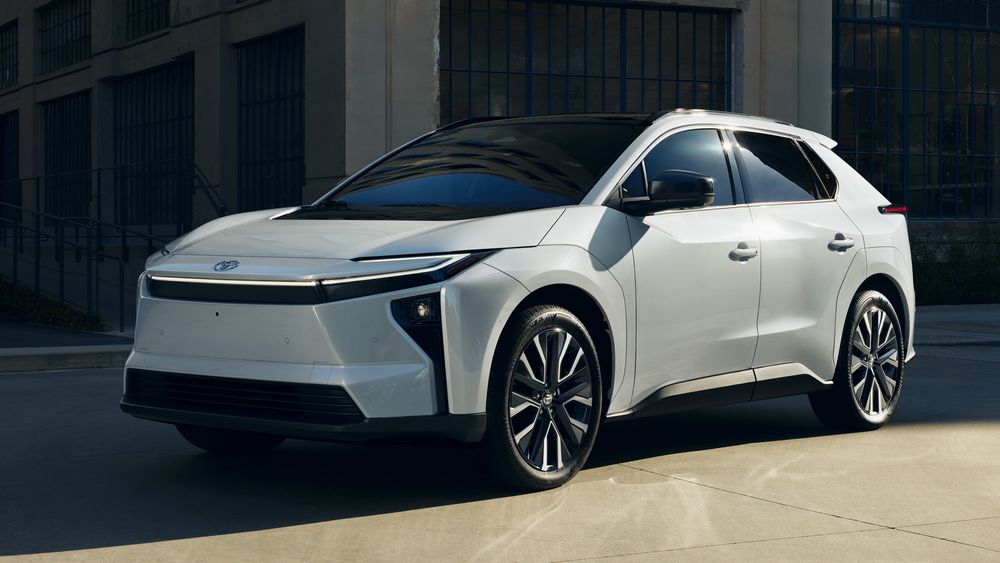
How the End of the EV Tax Credit Reshaped America’s New-Car Market
U.S. new-car prices are soaring, and the loss of EV tax credits has intensified affordability issues. Sales are falling across segments as buyers shift to lower-priced models or delay purchases entirely.
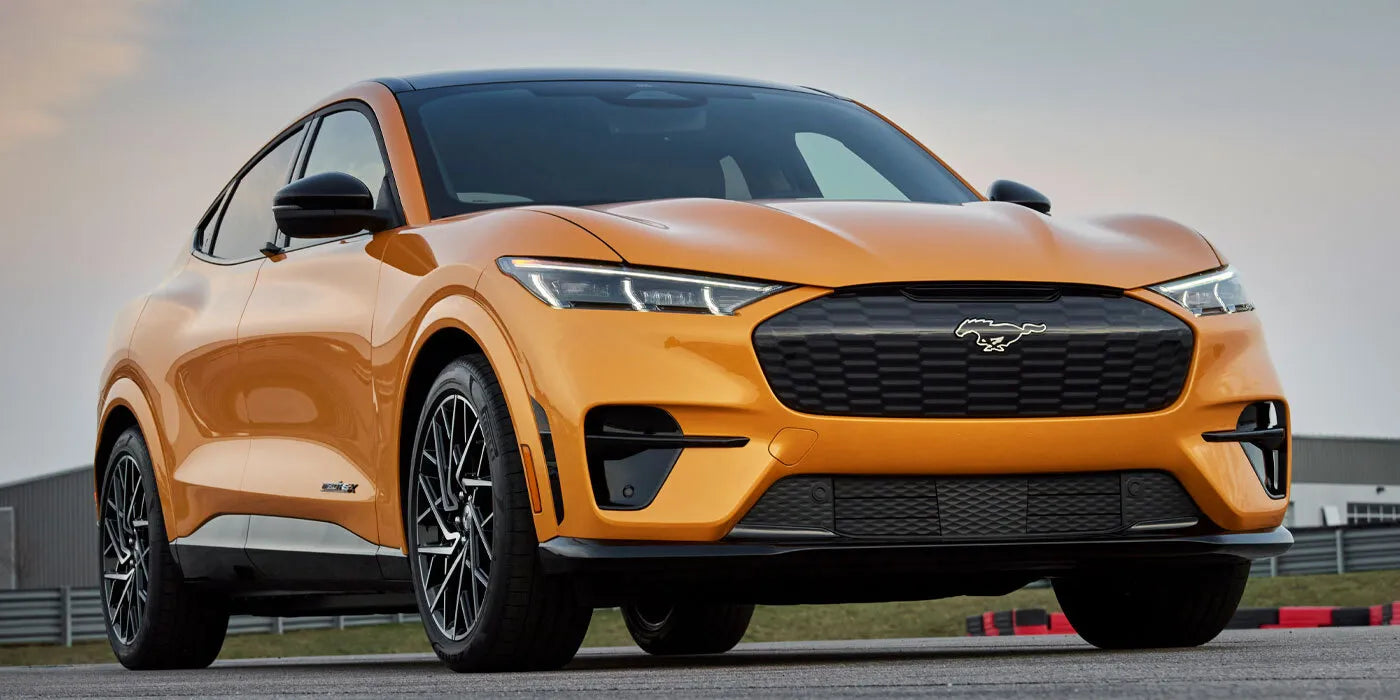
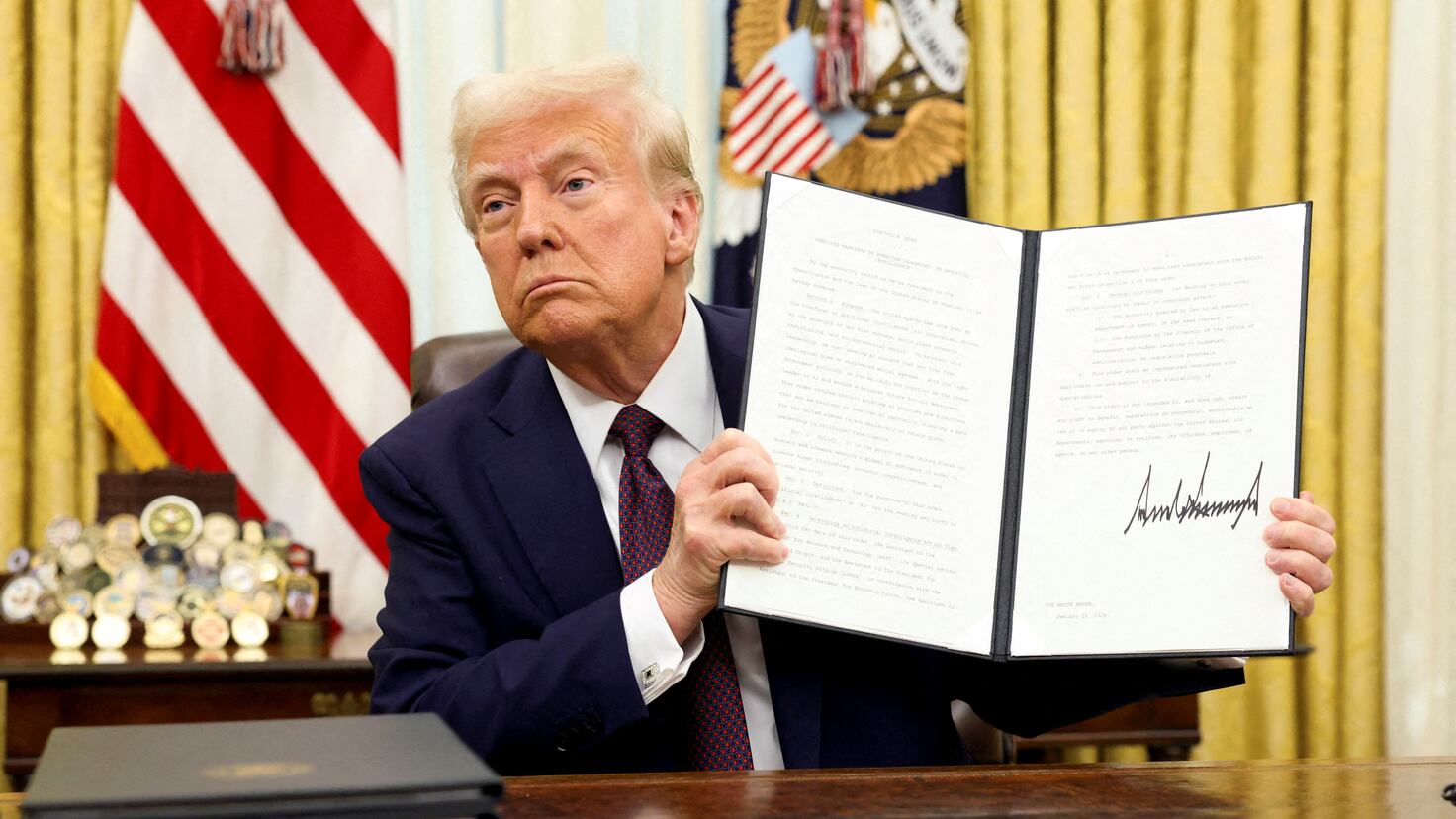
Trump Moves to Roll Back U.S. Fuel-Economy Standards
The Trump administration is preparing a major rollback of U.S. fuel-economy rules, lowering efficiency targets for automakers. The move may trim vehicle prices but could raise fuel costs and slow the nation’s progress toward cleaner cars.
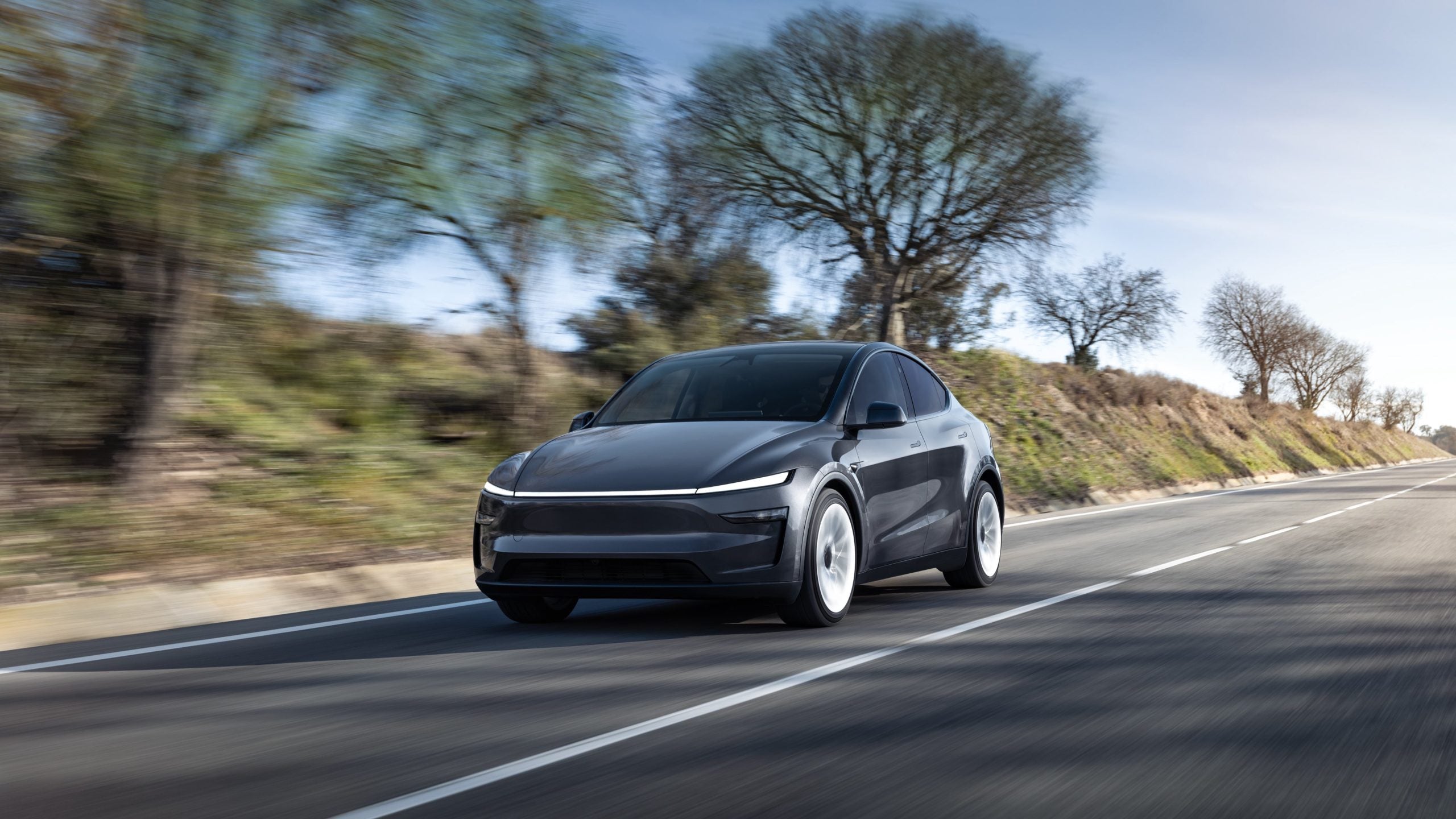
Trump’s Fuel-Economy Rollback Will Raise Drivers’ Costs
The administration’s plan lowers fuel-efficiency targets to reduce upfront car prices, but experts say drivers will pay more for gasoline. The rollback weakens clean-vehicle policy, benefits legacy industries, and risks U.S. competitiveness.
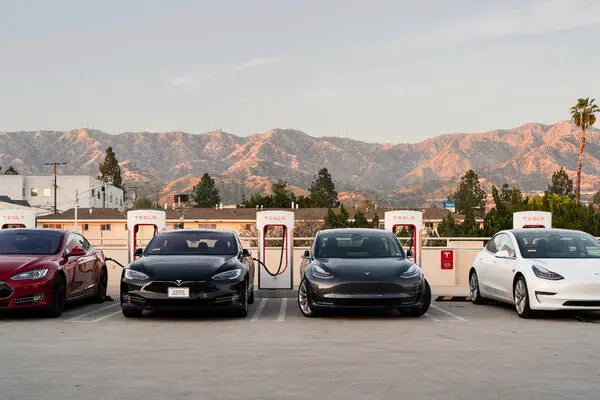
California Reassesses Its 2035 Gas-Car Sales Ban Amid EV Market Shifts
California is reassessing its 2035 gas-car ban as legal setbacks, affordability issues and slow EV growth raise concerns. The debate reflects broader challenges facing EV adoption, autonomous tech and rising vehicle costs across the industry.
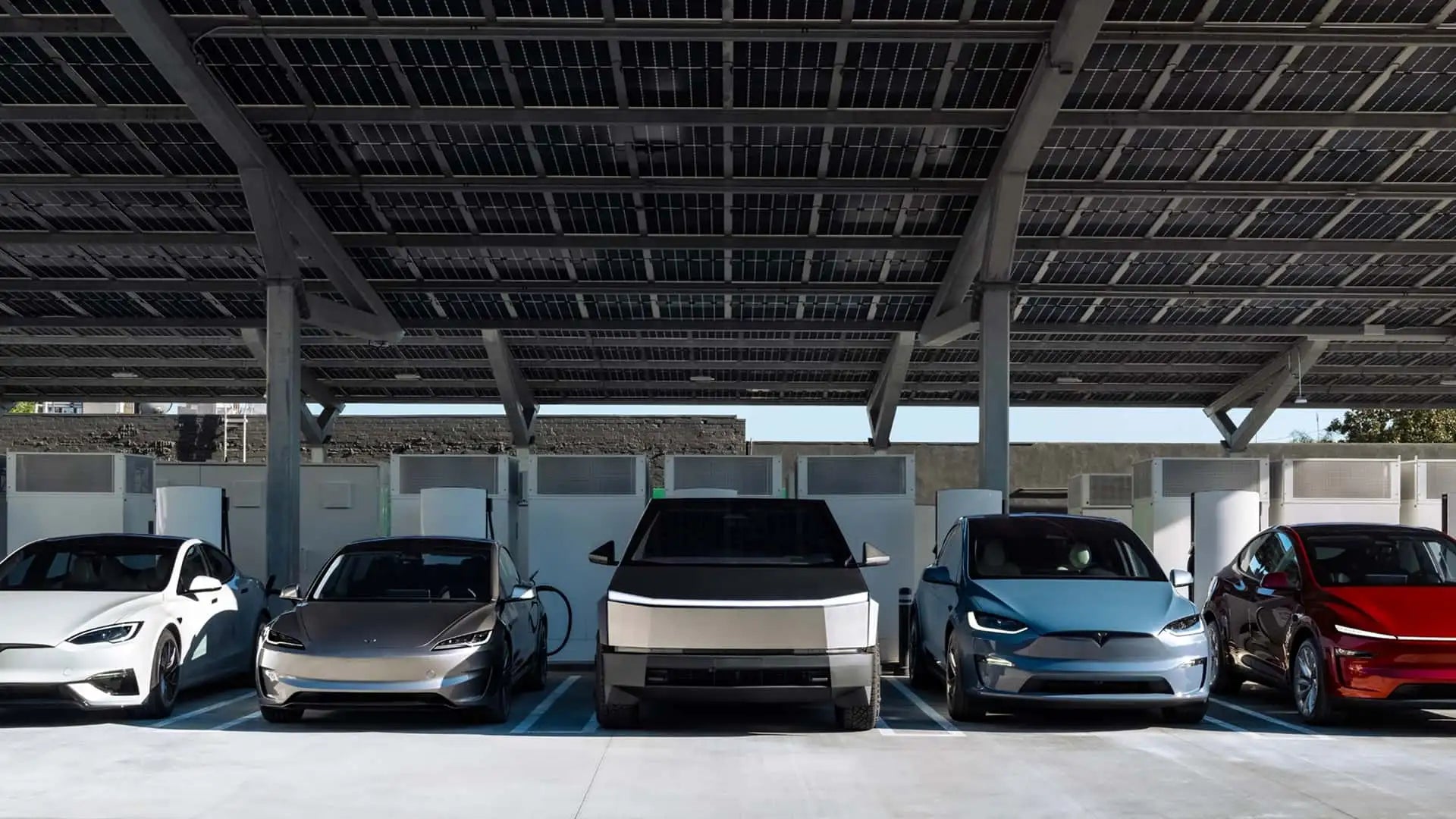
Americans Still Want Electric Cars Even After Federal Tax Credit Ends
Despite a 53% drop in EV sales following the loss of the $7,500 tax credit, new J.D. Power data shows Americans remain eager to go electric. Nearly 60% of car shoppers plan to consider an EV, driven by lower costs and strong owner loyalty.
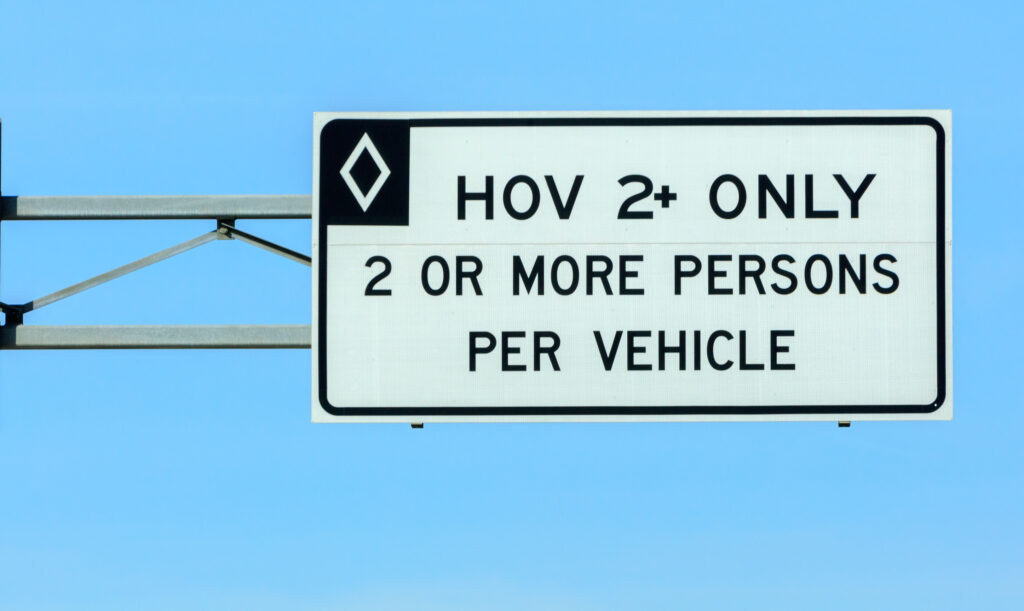
Das kalifornische HOV-Aufkleberprogramm endet am 30. September 2025. Eine 60-tägige Schonfrist (1. Oktober bis 30. November) ermöglicht es alleinfahrenden Elektroautofahrern jedoch, Strafzettel zu vermeiden. Die DMV hat am 29. August neue Apps eingestellt, und die Behörden des Bundesstaates prüfen trotz der Ablehnung durch die Bundesregierung Möglichkeiten, den Zugang zu Fahrgemeinschaftsspuren wiederherzustellen.
Das 55 Millionen Dollar teure Schnellladeprojekt in Kalifornien deckt bis zu 100 % der Kosten für Gleichstrom-Schnellladegeräte. Mit Schwerpunkt auf Stammesgebieten, benachteiligten Gebieten und Gebieten mit niedrigem Einkommen zielt es darauf ab, den Ladezugang im gesamten Bundesstaat zu erweitern und die Umstellung auf emissionsfreie Fahrzeuge zu beschleunigen.
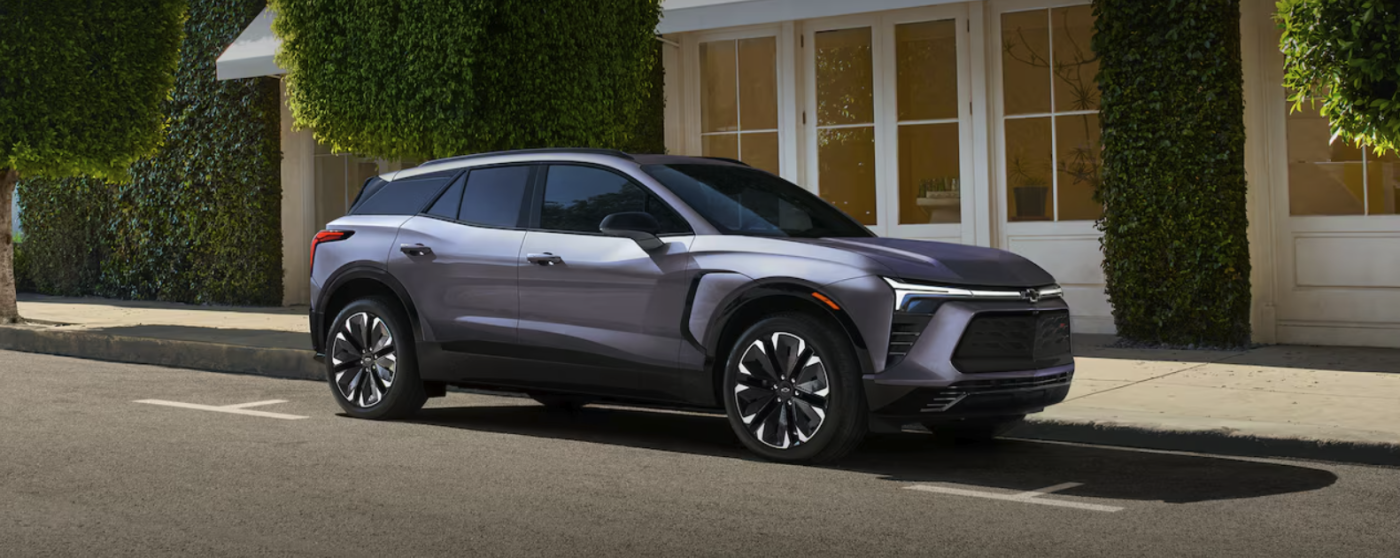
Eine vorgeschlagene bundesweite Pauschalsteuer würde Besitzern von Elektrofahrzeugen jährlich 250 US-Dollar und Besitzern von Hybridfahrzeugen 100 US-Dollar berechnen – unabhängig von der Nutzung. Diese regressive Politik führt dazu, dass Fahrer von Elektrofahrzeugen mehr als dreimal mehr zahlen als durchschnittliche Benzinfahrer, was insbesondere Wenigfahrer und Senioren hart trifft. Experten fordern eine faire, kilometerbasierte Reform, anstatt umweltfreundliche Verkehrsmittel zu benachteiligen.