



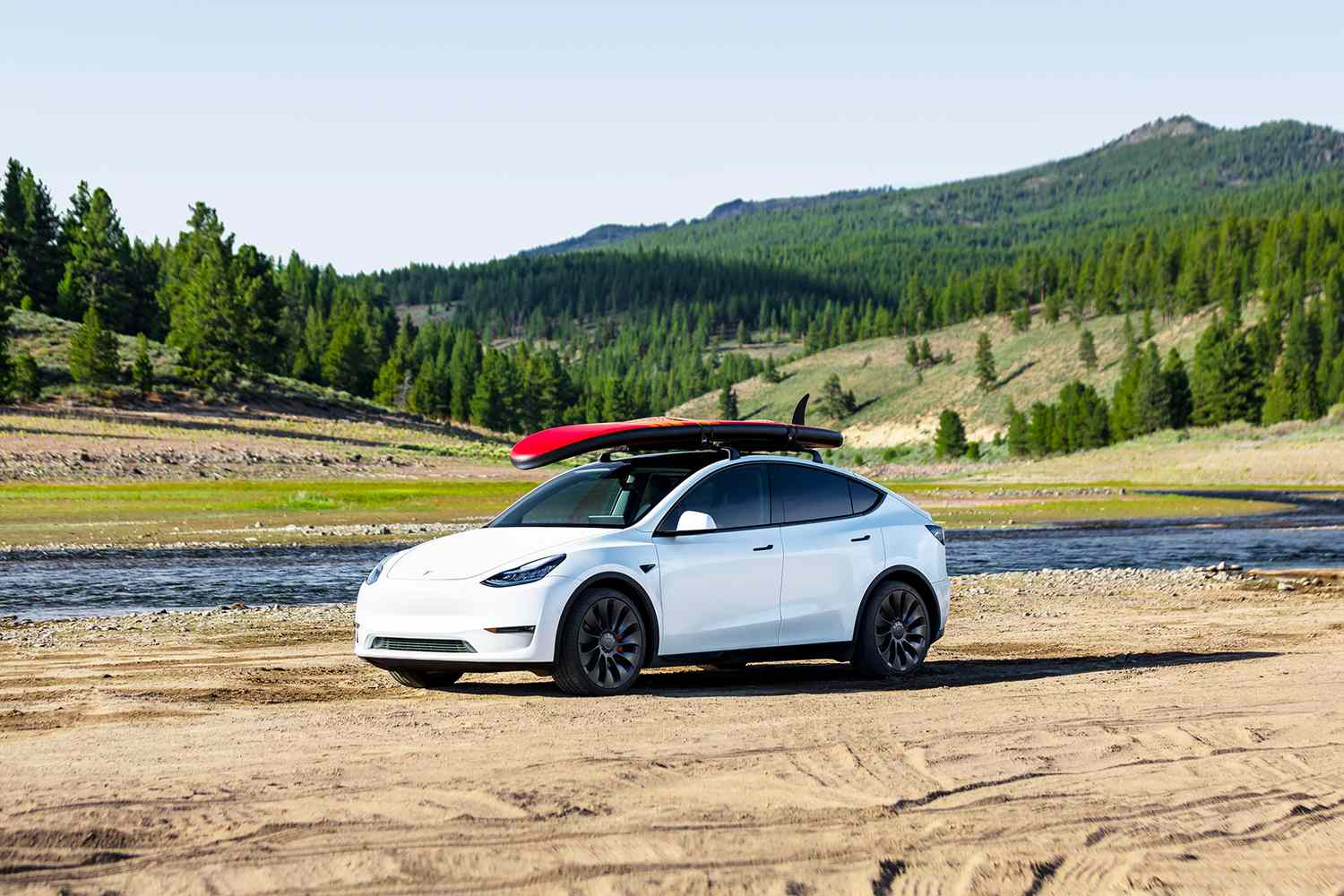
Planning a road trip in an electric vehicle (EV) can be exciting, but it also comes with one major concern — battery range anxiety, especially when traveling through remote areas with limited charging infrastructure. While modern EVs boast impressive ranges, long drives far from urban charging networks still require careful preparation and smart energy management.
Here’s a complete guide to optimizing your EV’s battery range and ensuring a smooth, worry-free trip even when chargers are few and far between.
1. Know Your Real-World Range
Manufacturers’ quoted range figures are based on ideal conditions. In the real world, factors like speed, terrain, weather, and cargo weight can significantly reduce your total mileage.
Before heading out, take time to learn what your EV can realistically achieve. Drive a few test routes at highway speeds and note your average consumption (kWh per 100 miles). Apps like A Better Routeplanner (ABRP) or PlugShare can also estimate range reductions based on topography and temperature.
Pro tip: Expect around 10–20% less range than the official EPA figure when driving on highways, and up to 30% less in cold weather.

2. Plan Charging Stops Strategically
In remote regions, public chargers might be spaced far apart. To avoid stressful low-battery situations, plan every charging stop before your trip begins.
Use trip planners like:
-
PlugShare – to locate public stations and check user reviews.
-
ChargeHub or ABRP – to see route options and estimated state-of-charge at each waypoint.
-
Google Maps (EV mode) – to find nearby fast chargers in real time.
Aim to arrive at each charging stop with at least 15–20% battery remaining, giving you a comfortable safety margin in case of detours, bad weather, or inoperative chargers.
Avoid planning to charge below 10%, especially in mountainous or off-grid routes, where energy consumption can spike unexpectedly.
3. Optimize Speed and Driving Style
EV range is extremely sensitive to speed. Driving at 70 mph instead of 60 mph can cut your range by up to 15%. The aerodynamic drag increases exponentially, draining your battery faster than you might expect.
To conserve range:
-
Cruise at moderate speeds whenever possible.
-
Use Eco Mode to limit acceleration and optimize power delivery.
-
Avoid rapid acceleration or heavy braking — both consume and waste energy.
-
Use regenerative braking effectively to recover energy on downhill sections.
Remember: Smooth driving not only boosts efficiency but also reduces fatigue and enhances comfort on long trips.
4. Manage Cabin Climate Efficiently
Heating and cooling systems are some of the biggest hidden energy drains on your EV’s battery. A heater can consume 2–3 kW of power, enough to reduce your total range by up to 20% in cold conditions.
Here’s how to balance comfort and efficiency:
-
Precondition your cabin while the car is still plugged in — it uses grid power instead of battery energy.
-
Use seat and steering wheel heaters instead of cabin heating when possible.
-
In summer, ventilate or pre-cool the cabin before driving off.
-
Keep windows closed at highway speeds to reduce aerodynamic drag.
Small habits make a big difference — running your HVAC at moderate settings can save 10–15 miles of range on a single charge.

5. Understand Terrain and Elevation Impact
Driving uphill requires more energy, while downhill stretches let you recover some of it via regenerative braking. When planning your route, check the elevation profile using Google Maps or ABRP.
If your destination sits at a significantly higher elevation than your starting point, plan for additional energy consumption of 5–10%. Conversely, the return journey may consume less power as gravity assists your battery recovery.
Tip: On mountain routes, use “B mode” or “High Regen” settings to maximize energy recovery and reduce brake wear.
6. Control Load and Tire Pressure
Extra weight means extra consumption. When packing for remote trips, travel light — every 100 pounds (45 kg) of additional weight can reduce your range by roughly 1–2%.
Before departure:
-
Remove unnecessary gear, roof racks, or cargo boxes.
-
Check tire pressure — underinflated tires can lower efficiency by up to 5%.
-
If possible, inflate tires to the manufacturer’s “eco” or “highway” pressure rating.
Pro tip: Roof boxes and bike racks can add significant aerodynamic drag — if not in use, remove them to improve range.

7. Make Use of Portable or Backup Charging Options
When traveling off-grid or in sparsely populated areas, a portable EV charger can be your best insurance policy. Level 1 or Level 2 portable chargers plug into household or RV outlets, providing slow but steady charging when no public station is available.
Consider carrying:
-
A NEMA 14-50 or 5-15 adapter, compatible with campground or generator outlets.
-
A reliable extension cord rated for outdoor and high-current use.
-
A mobile app or dongle to monitor charging rate and temperature.
Even a few extra hours of low-speed charging overnight can add 30–50 miles — enough to reach the next DC fast charger.
8. Monitor Weather and Use Predictive Tools
Cold weather, strong headwinds, or heavy rain can all impact range dramatically. In freezing temperatures, your EV’s battery becomes less efficient and regenerative braking may be limited until it warms up.
Before and during your trip:
-
Use apps like Windy or Weather Underground to monitor conditions.
-
Enable trip energy prediction in your EV’s navigation system if available.
-
Pre-warm your battery when approaching a fast charger to ensure optimal charging speed.
Cold or windy weather can reduce range by up to 25%. Adjust your route or charging plan accordingly.
9. Stay Flexible and Always Have a Plan B
Even the best-planned EV trip can meet unexpected hurdles — a charger out of order, a longer-than-expected detour, or an energy-sapping storm. Always have a backup plan ready.
-
Identify alternative chargers within 10–20 miles of your main route.
-
Keep your car manufacturer’s roadside assistance number saved.
-
Carry a power bank or emergency battery pack for your devices in case you need to call for help.
Never let your battery drop below 10% unless you’re certain of your next charging stop.
10. Use Range Management Features Built Into Your EV
Modern EVs come with smart tools to help drivers manage range more effectively:
-
Battery preconditioning before fast charging.
-
Eco routing, which automatically selects the most energy-efficient path.
-
Real-time consumption graphs to monitor energy use.
-
Trip energy estimators, showing expected range at your destination.
Spend time learning these features from your owner’s manual or app. Knowing how to leverage your EV’s software can add dozens of extra miles to your effective range.

Final Thoughts
Managing battery range on remote trips is less about luck and more about preparation. By combining careful route planning, efficient driving habits, and backup charging options, you can confidently explore even the most isolated regions without worrying about being stranded.
Remember, every EV trip teaches you something new about your car’s limits and strengths. With a little experience, range management becomes second nature — turning what used to be “range anxiety” into range mastery.
Recommend Reading: Pet-Friendly EV Travel: Comfort and Safety Tips
Aktie:
Pet-Friendly EV Travel: Comfort and Safety Tips
The Rise of EV-Friendly Roadside Services