



Preparing for Higher Volume
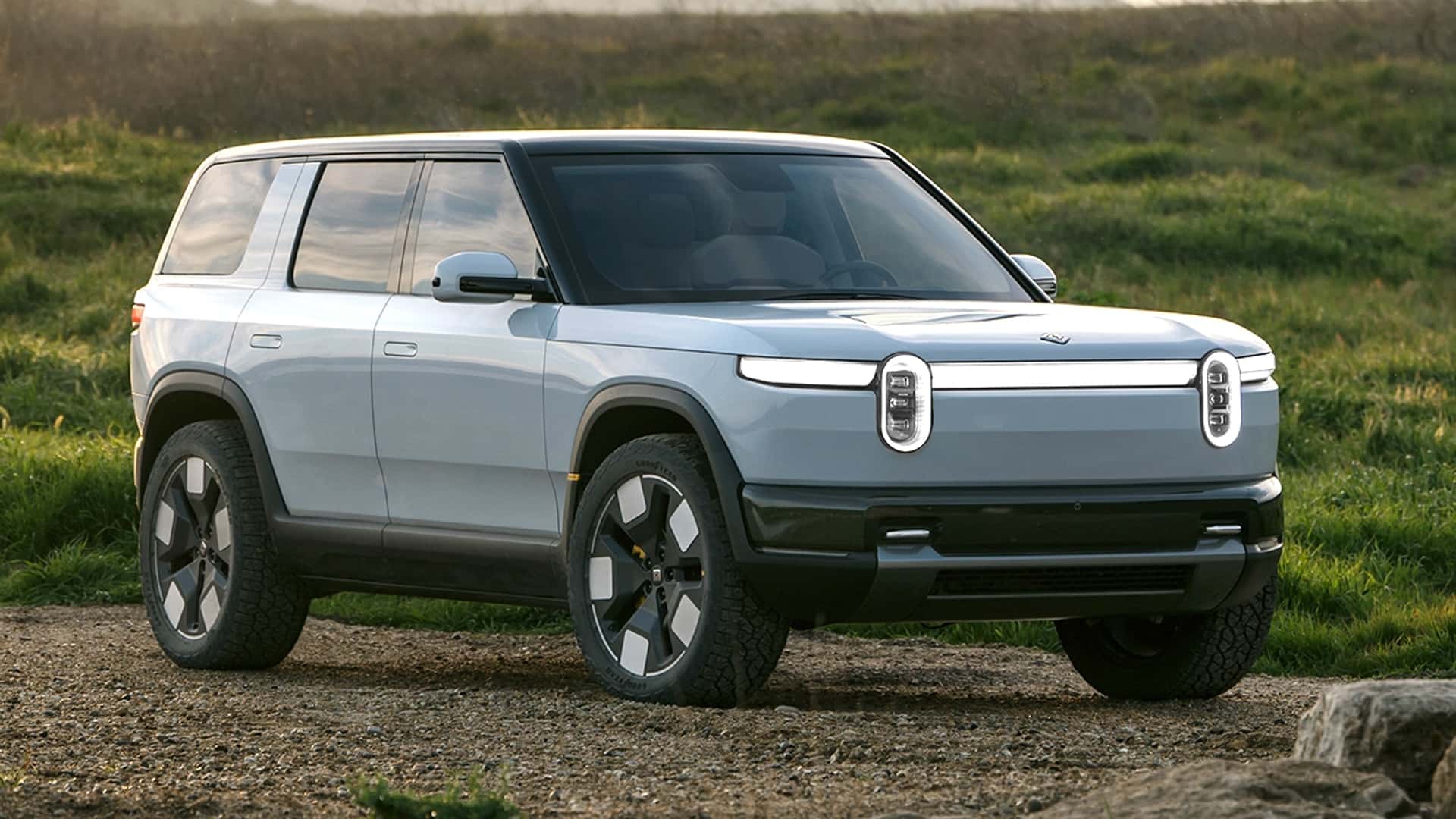
Rivian is approaching a pivotal moment. With production of the R2 scheduled to begin soon, the company expects a sharp increase in vehicle deliveries and is moving to reinforce the systems that support owners after purchase.
The Illinois-based manufacturer understands that scaling sales without strengthening service capacity could undermine customer satisfaction. Reports of extended appointment delays have circulated among some owners, underscoring the importance of improving turnaround times before a lower-priced model reaches the market.

Expanding Physical Service Centers
To address anticipated demand, Rivian announced plans to open more than 50 additional service centers across the United States by the end of 2027. This expansion would lift the company’s nationwide total to over 150 locations.
Rather than distributing new facilities evenly, Rivian intends to prioritize regions where vehicle density is highest. Larger-capacity sites are expected in metropolitan areas with significant concentrations of Rivian models, aiming to reduce scheduling backlogs.
The company has already increased its service workforce substantially, adding more than 1,000 technicians and specialists in the past year. Continued hiring and training efforts are underway to support future growth.
Mobile and Remote Solutions
Beyond brick-and-mortar facilities, Rivian is investing heavily in mobile operations. The automaker plans to enlarge its fleet of service vans by 50% by the end of 2026, allowing technicians to perform repairs and maintenance at customer homes or workplaces.
Remote diagnostics remain central to the strategy. Using connected vehicle data, Rivian can assess issues before deciding whether a physical visit is necessary. In some cases, problems can be addressed through over-the-air software updates, eliminating the need for a trip to a service center altogether.
This approach has already been applied extensively to the R1T and R1S, and the company expects the R2’s architecture to make such interventions even more effective.
Engineering Changes Aimed at Simpler Repairs
Rivian states that lessons learned from the R1 platform informed the design of the R2. According to the company, the new model incorporates reduced mechanical complexity and more streamlined assembly processes. The goal is twofold: improve build quality and simplify future repairs.
By identifying potential faults earlier and ensuring parts availability before vehicles arrive at service facilities, Rivian hopes to shorten downtime. Faster diagnostics and improved logistics could help prevent the prolonged waits some customers have previously reported.
Last year, the company indicated that service wait times declined by 35%, suggesting early progress. However, maintaining that trajectory will be challenging once R2 volumes ramp up.
The Scale of What’s Ahead
Rivian plans to begin R2 production in the second quarter, with initial deliveries expected soon afterward. The company’s plant in Normal, Illinois, is targeting a first-year output of up to 25,000 units.
That represents a significant addition for a manufacturer that built 42,284 vehicles in 2025. Looking ahead to 2026, Rivian projects total deliveries—across the R1T, R1S, commercial van, and R2—of as many as 67,000 vehicles, a projected 59% increase year over year.
Even if launch quality is strong, routine maintenance demands will grow as more vehicles enter service. Tire rotations, inspections, and alignment work require physical visits, placing steady pressure on facilities.
New vehicle introductions often bring early recalls or software refinements. Should such issues arise, the expanded service network will face an immediate stress test.

Price and Market Position
The R2 is positioned as Rivian’s first true mass-market offering. The company estimates a starting price of around $45,000, well below the current R1S, which begins at $76,990.
Early driving impressions have been positive, and the model targets a competitive segment that includes popular electric crossovers such as the Tesla Model Y. In a U.S. market adjusting to changes in federal incentives, affordability may prove decisive.
If Rivian can deliver both compelling pricing and dependable after-sales support, the R2 could mark a turning point in the company’s evolution from niche manufacturer to higher-volume automaker.
For now, the engineering appears prepared. The remaining question is whether the expanded service network can keep pace once thousands of new vehicles reach customers nationwide.
Recommend Reading: Rivian R2 First Drive Review: Size, Speed and Strategy

Aktie:
Europe EV Sales Rise in January as U.S. Market Slows
How Uber Is Partnering to Compete in the Robotaxi Market