


Faulty Battery Component Triggers Safety Recall
Tesla has issued a recall for 12,963 electric vehicles in the United States, citing a potential defect that could cause affected cars to suddenly lose power while driving. The issue stems from a faulty solenoid inside the high-voltage battery contactors, which are responsible for controlling the flow of electricity between the battery and the motors.
According to documents filed with the National Highway Traffic Safety Administration (NHTSA), the defect could cause the contactor to open unexpectedly, cutting power to the drivetrain without warning. When this occurs, the vehicle’s main display will alert the driver to pull over and stop safely.

Which Models Are Affected
The recall primarily involves two of Tesla’s best-selling models.
-
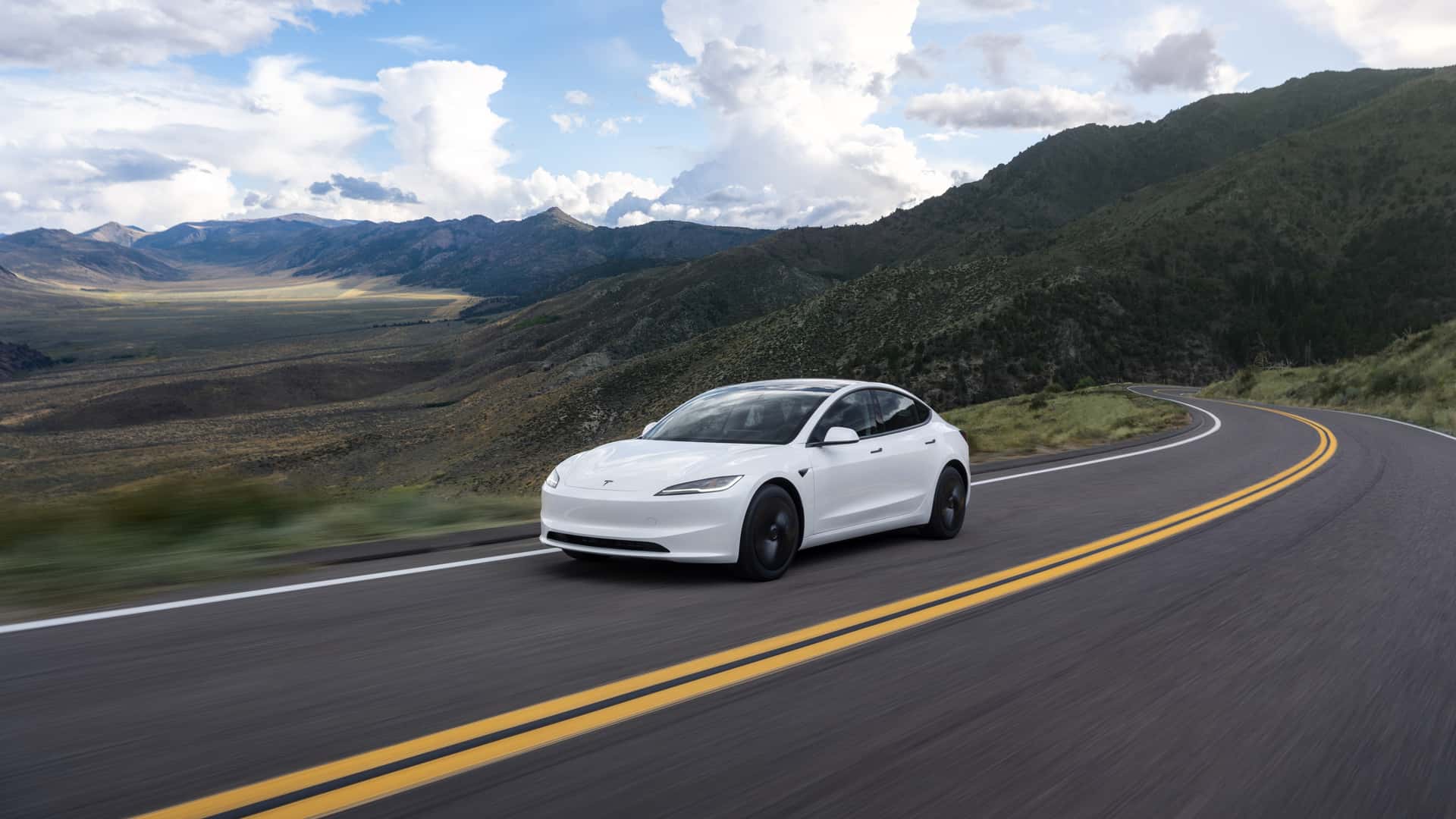
2026 Tesla Model Y: 7,925 units built between March 15 and August 2025
-
2025 Tesla Model 3: 5,038 units built between March 8 and August 12, 2025
While no injuries, collisions, or fatalities have been reported, Tesla has confirmed 36 warranty claims and 26 field reports related to the issue.
The Root Cause of the Problem
The defect traces back to a manufacturing flaw in the solenoid’s coil termination, which can result in poor electrical contact. This part was produced by Sistemas Mecatronicos InTiCa, a supplier based in Mexico. The faulty solenoids were then built into contactor assemblies manufactured by SongChuan, a Taiwanese company.
Tesla determined that the coil termination connection could weaken over time, leading the contactor to disengage and interrupt power flow. While the defect doesn’t disable safety systems like braking or steering, it can cause an unexpected loss of propulsion — a serious concern for drivers on highways or in traffic.
Tesla’s Response and Repair Plan
To resolve the issue, Tesla will replace the high-voltage contactors free of charge in all affected vehicles. The updated contactors do not contain the InTiCa solenoid and feature improved coil termination reliability.
Owners can schedule the repair using the Tesla mobile app:
-
Open the “Request Service” menu
-
Choose “Something Else”
-
Type “Open Recall Repair – Battery Pack Contactors” in the issue description
The fix is expected to take about one hour, and repairs will be handled at Tesla Service Centers across the country.
Broader Context: Quality Control Under the Microscope
This recall marks another quality challenge for Tesla in 2025, as the company continues to scale production of its refreshed Model 3 and Model Y vehicles. Earlier this year, Tesla also issued a smaller recall related to steering assist calibration issues on certain Model S and Model X vehicles.
Still, Tesla’s quick detection and response demonstrate how the company’s over-the-air diagnostic systems allow it to monitor and identify emerging problems before they become widespread.
The automaker said it remains committed to “proactively addressing potential safety issues” and emphasized that the defect affects only a small fraction of its 2025–2026 output.

What Owners Should Do
Tesla will begin notifying affected owners by mail and email starting November 15, 2025. Drivers are urged to schedule a service appointment as soon as possible to prevent potential loss of power.
For now, Tesla says owners may continue to drive their vehicles safely. However, if a warning message appears on the main screen instructing the driver to stop, they should pull over immediately and contact Tesla roadside assistance.
Recommend Reading: Tesla Model Y May Gain Up to 90 Miles of Extra Range With Panasonic’s Next-Gen Batteries


Aktie:
America’s 10 Best-Selling EVs of 2025 (So Far)
Tesla Claims Autopilot Keeps Improving — But the Data Shows More Crashes