



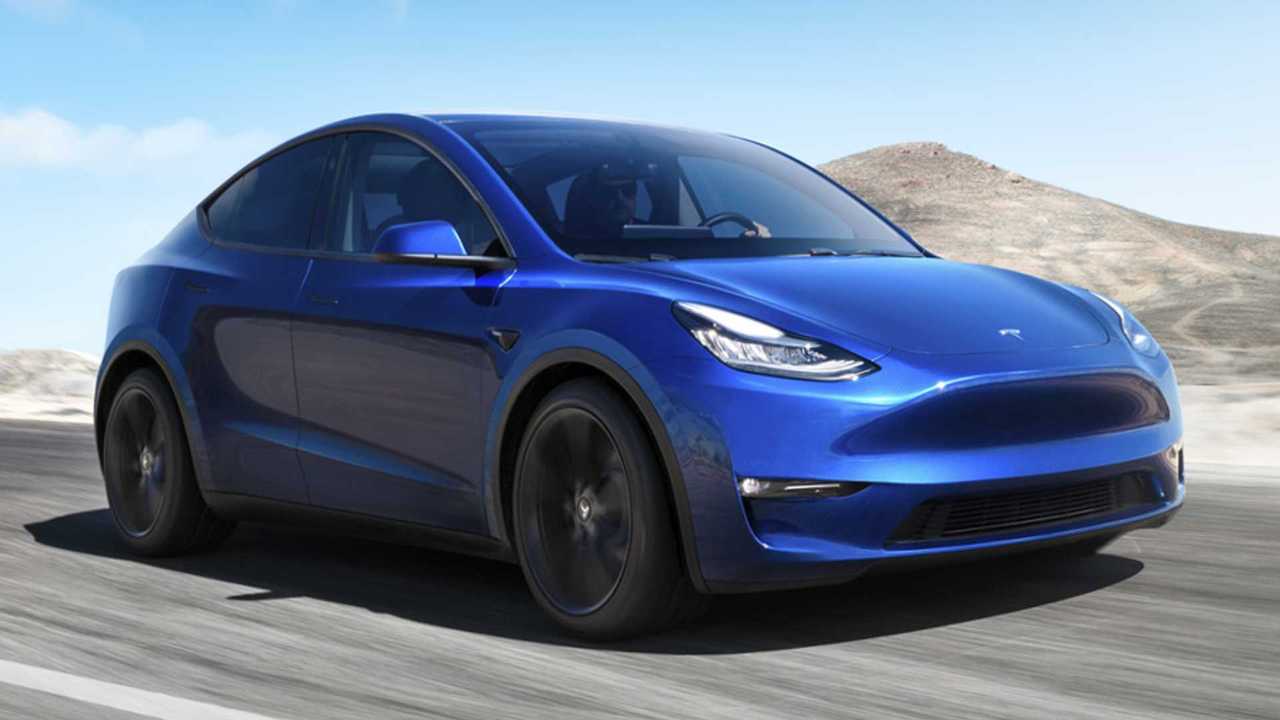
Despite Tesla’s hopes that a lightly refreshed Model Y would reverse its sliding sales figures, the update has largely failed to deliver the desired results. Market data shows year-over-year declines in key markets like the U.S., China, and Europe, while competition from Chinese automakers grows fiercer. Critics argue Tesla’s superficial design updates and missed opportunities—like delaying the affordable “Model 2” in favor of the niche Cybertruck—have eroded its competitive edge. Furthermore, Elon Musk’s increasingly controversial public persona and political affiliations are exacerbating brand toxicity, with some suggesting that even his departure might not be enough to restore Tesla’s former dominance in the EV space.
Full Article:
For years, the Tesla Model Y has been a cornerstone of Elon Musk’s EV empire, accounting for the majority of the company’s global vehicle sales. But in 2025, what should have been a triumphant refresh of this best-selling electric crossover has instead exposed Tesla’s growing vulnerabilities—both in terms of product appeal and brand perception.
Tesla officially unveiled the “refreshed” Model Y in January 2025, giving it a modest facelift: a Cybertruck-inspired light bar, some minor design tweaks to the front and rear, and updates to interior materials. But under the hood, the car remains virtually unchanged from the Model Y that debuted back in 2019. And that’s a problem—because in the high-speed world of electric vehicle development, six years is a lifetime.
A Cold Reception
Despite optimistic expectations from Tesla bulls, initial sales figures paint a sobering picture. Kelley Blue Book reported that Tesla’s U.S. sales fell 9% in Q1 2025. Even worse, Model Y sales specifically dropped 15% year-over-year in Q2, despite widespread discounts, 0% financing offers, and immediate delivery options—once unthinkable for a Tesla vehicle. In Europe, the situation is more dire: sales plunged 54% in Sweden, 68% in Portugal, and fell in most major markets except Norway. In China, Q2 sales dropped 11.7% year-over-year, even with flashy promotions and pricing incentives.
These numbers underscore what many observers see as a key failure: Tesla tried to pass off an aging product with minimal updates as something new in a market that has become both more sophisticated and competitive.
Design Fatigue and Missed Opportunities
Industry insiders and design experts suggest that Tesla’s decision to avoid a full redesign is proving fatal. “They’ve done it on the cheap,” said Jamie Tomkins, a senior project designer at the Royal College of Art. The light bar tweaks, he adds, were not enough to excite consumers who are increasingly drawn to cutting-edge, visually dynamic Chinese EVs.
Frank Stephenson, renowned for his work on brands like Ferrari and Mini, criticized Musk’s hands-on influence in design, saying, “The worst designer at Tesla is Musk… It’s not to everybody’s taste.” According to Stephenson, Tesla’s refusal to innovate more boldly with the Model Y refresh reflects a troubling complacency.
Even die-hard Tesla fans are reconsidering. One customer traded his Model Y for a Toyota bZ4X, saying in retrospect that his Tesla “paled in comparison” and that the Full Self-Driving (FSD) system wasn’t worth the hype.
Brand Damage and the Musk Effect
Beyond the car itself, Tesla faces an even larger issue: its CEO. Elon Musk, once hailed as a tech visionary, is increasingly seen as a liability. His political antics—including open support for far-right figures, meddling in U.S. and European democracies, and launching a third political party—have alienated a growing number of consumers.
One widely upvoted comment summed it up: “Under the current climate… I don’t believe if the Y could do a ‘Chitty Chitty Bang Bang,’ sprout wings and fly, that the sales would be where Tesla needs them to be.” Another user remarked that even removing Musk from Tesla might not be enough to undo the damage to the brand.
Some still defend Musk, arguing he’s a moderate with classic liberal views. But perception is reality, and for many, Musk’s increasingly polarizing public persona has made Tesla toxic. In a highly competitive EV market, brand image matters—and Tesla’s is arguably at its lowest point in years.
Lost Focus: Cybertruck Over Model 2
Critics have also slammed Tesla’s product strategy. Instead of prioritizing the long-rumored “Model 2”—an affordable, mass-market EV that could compete with BYD and Xiaomi—Tesla channeled its efforts into the ultra-niche Cybertruck. It’s a bet that many say has backfired spectacularly.
“Rather than launching a more mass-market model, Tesla wasted a lot of money on the Cybertruck,” said Professor David Bailey of the University of Birmingham. He notes that Chinese automakers are now outperforming Tesla on cost, battery tech, and innovation. “Tesla’s gone from being a disruptor to being a laggard.”
In China, the Xiaomi SU7 and Xpeng G7 are drawing rave reviews and orders in the hundreds of thousands, thanks to their lower price points, advanced tech, and fresher designs. The Xiaomi SU7 even undercuts the Model Y by $1,500 while offering what many consider superior performance and infotainment.
AI Assistants and Desperate Gambits
Musk recently announced that Tesla’s in-house AI assistant “Grok” will soon appear in Tesla vehicles. While this might bring Tesla in line with competitors like Mercedes-Benz and VW, it feels like a catch-up move rather than a leap forward.
Tesla is also preparing a longer-wheelbase Model Y L (a six-seat version with 456 HP) aimed at Chinese consumers, but it’s unclear if that will be enough to regain lost ground.
Meanwhile, Tesla factories are running at just 70% capacity, according to the New York Times—a clear indicator of softening demand and logistical bottlenecks.
Can Tesla Rebound?
Tesla still commands a 28% market share in the U.S. EV market, but cracks are forming. “You can’t order people to think differently—not even Elon Musk,” said automotive consultant Jay Nagley. And as much as Tesla fans may want to believe otherwise, brand perception and design fatigue are real threats.
Yes, there’s no single “Model Y killer” in Western markets yet. But it’s coming—fast. Chinese brands are accelerating their international expansion. If Tesla doesn’t radically rethink its lineup, pricing, and leadership, its dominance could soon become a thing of the past.
The Model Y refresh may have been Tesla’s shot at buying time. Instead, it’s proven to be a missed opportunity that exposed deep-rooted problems with the company’s strategy—and with its leadership.
TL;DR
Tesla’s half-hearted Model Y update has failed to reverse sliding global sales. The EV leader is losing ground to Chinese rivals offering better value and innovation, while CEO Elon Musk’s controversial image adds brand toxicity. Critics say Tesla missed its chance by prioritizing the Cybertruck over an affordable mass-market EV, and even Musk’s departure might not be enough to restore Tesla’s once-dominant position.
NACS (Tesla) Charger Recommendations: Portable/Home Use NEMA 5-15 Pluge, NEMA 14-30 Plug, NEMA 14-50 Plug NACS(Tesla) Charger
Share:
Tesla Faces Potential Sales Ban in California Over FSD Misleading Advertising Lawsuit
Lucid Faces Backlash Over Costly Lease Return Charges—Customers Say It's Unfair and Inconsistent