



Introduction
Tesla, one of the leading electric vehicle manufacturers in the United States, is projected to see a decline in its U.S. sales for 2025. This trend comes after the federal EV tax credit ended, affecting consumer purchasing behavior, while competition in the EV market has increased significantly. According to industry analysts, Tesla’s overall resilience will be tested as buyers adjust to higher prices and fewer incentives.

Year-over-Year Sales Projection
Sales estimates from Cox Automotive indicate that Tesla’s U.S. deliveries are likely to decrease by approximately 8.9% compared to 2024, dropping from around 634,000 vehicles in 2024 to an estimated 577,000 in 2025. This represents a notable slowdown for a company that has historically shown strong year-over-year growth in the electric vehicle segment.
Quarterly performance highlights a sharper short-term decline. In particular, Tesla’s Q4 2025 sales are projected to fall by 29.8% compared to Q3 2025 and by 22.4% relative to Q4 2024. Analysts attribute this to both seasonal trends and the loss of the EV tax credit, which prompted a surge of early purchases in the previous quarter.
Impact of Federal EV Tax Credit Expiration
The federal EV tax credit played a significant role in stimulating demand for electric vehicles over the past several years. Its expiration in 2025 contributed to a pull-forward effect, with many buyers accelerating purchases before the credit was removed. Following this period, demand has fallen sharply, creating an adjustment in the market.
Cox Automotive notes that inventory levels increased from 40 days of supply at the end of Q3 to 149 days in November, representing more than a 42% increase year-over-year. Higher inventory levels indicate that vehicles produced to meet pre-expiration demand are now sitting longer on lots, placing pressure on automakers’ sales strategies.
Competition and Market Dynamics
The EV market is increasingly competitive, with more automakers introducing new electric models in the U.S. Premium EVs, mid-range models, and affordable entry-level options now all coexist in the market, giving consumers a wider selection. Despite Tesla’s brand recognition and technological advantages, increased competition has contributed to slower sales growth.
Affordability remains a major factor. Most EVs continue to fall into the premium price segment, with only nine EV models currently priced under $40,000. By comparison, there are 56 internal combustion engine (ICE) vehicles available in this range, highlighting a “fundamental affordability gap.” Since October, vehicles under $40,000 represented only 3.7% of total EV sales, compared to 38.7% across all powertrains, showing that cost-sensitive buyers are still limited in their options.
Tesla’s Product Adjustments
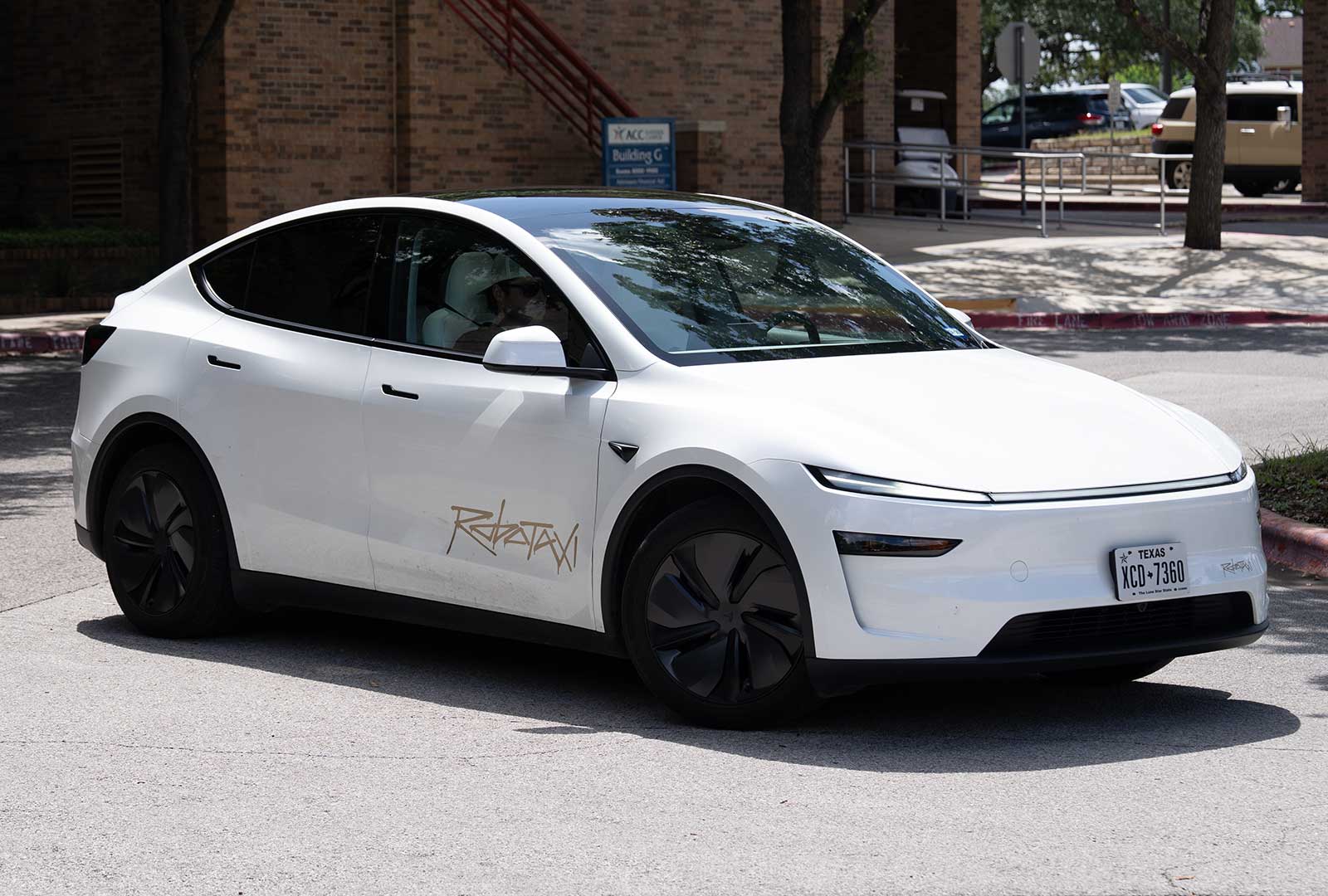
In response to market pressures, Tesla introduced lower-priced versions of the Model 3 and Model Y earlier in 2025. While these versions aimed to attract more buyers, the uptake has not fully offset the decline caused by the removal of federal incentives.
Tesla’s approach reflects a balance between maintaining profitability and offering competitive pricing to meet evolving market conditions. Additionally, the company continues to expand production capabilities and streamline delivery processes, seeking to mitigate the impact of lower demand in the near term.
Broader Market Implications
The projected decline in Tesla’s U.S. sales reflects wider trends in the EV sector. Government incentives, pricing structures, and competition all influence adoption rates. As federal support changes, automakers must adapt pricing, financing, and marketing strategies to sustain growth.
Tesla’s market position remains strong relative to competitors, but the 2025 slowdown underscores the importance of affordable EV options, inventory management, and consumer confidence. The shift highlights the challenges of transitioning an early-adopter market to mainstream adoption without external incentives.

Conclusion
Tesla’s U.S. sales for 2025 are expected to experience a notable decline due to the end of the federal EV tax credit, increased competition, and the ongoing premium pricing of most EV models. While new, lower-priced variants of the Model 3 and Model Y offer some relief, overall market conditions are adjusting to the post-incentive environment. This year serves as an important indicator of how incentives, affordability, and market competition interact in shaping the U.S. electric vehicle landscape.
Recommend Reading: Tesla Launches Direct Rental Program to Boost EV Sales


Aktie:
Rivian R2 Launches Without Lidar; Hardware Upgrade Plans Announced
Tesla Moves Closer to Integrating Starlink Internet in Vehicles