



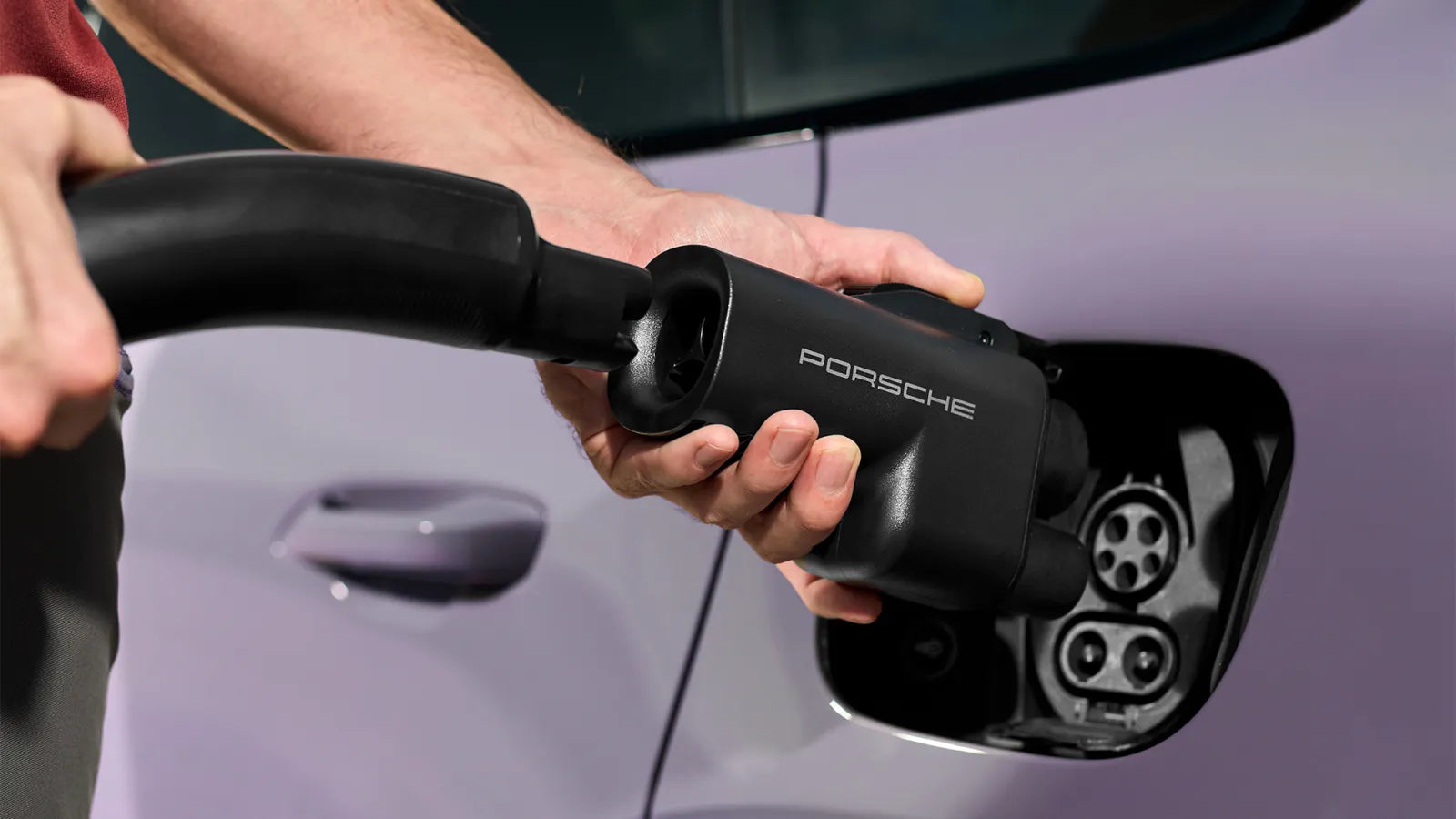
As the North American electric-vehicle landscape transitions toward Tesla’s NACS connector, drivers are finding themselves managing an unexpected side effect of the shift: a growing stack of adapters. Fast-charging, slow-charging, legacy standards, and interim solutions all intersect, leaving EV owners searching for practical places to store the hardware that keeps their vehicles powered.

Why So Many Adapters?
With more than seven million electric vehicles on U.S. roads, charging compatibility is far from uniform. Tesla owners have long relied on adapters to access J1772 Level 2 chargers or CCS fast-charging networks. Now the situation is reversed for non-Tesla EV drivers, who often need a NACS adapter to make use of Supercharger stations. And for models equipped with a native NACS port, additional attachments may still be required for J1772 home charging or CCS public infrastructure.
The end result is that many drivers—regardless of brand—carry at least two adapters in 2025 if they want maximum charging flexibility.
The Everyday Storage Problem
The logistical issue isn’t the adapters themselves; it’s where to keep them. They are compact but dense, easy to misplace, and capable of producing a surprising amount of noise when they shift around. EVs differ widely in interior storage layouts, and frunks, trunks, and center consoles vary significantly by brand. Some models lack a frunk altogether, further limiting options.
While adapters are essential for occasional road trips or charging stops, they can be awkward daily companions if not stored securely.
How Drivers Actually Store Them
Online communities reveal just how scattered the solutions are. In one Model 3 forum survey, owners most commonly placed adapters in the trunk, followed by the frunk and center console. A similar discussion among Rivian drivers showed even broader variation, with suggestions ranging from door pockets to under-seat compartments to temperature-controlled areas within the cabin.
One Rivian owner wrote:
“I keep the high-speed adapter in the cabin where the temperature stays stable, and everything else goes in the frunk.”
Another EV driver described a more situational approach:
“If I’m not on a trip, it lives in the spare-tire compartment. On the road, it stays in its case near the passenger seat.”
These examples highlight an underlying theme: EV owners are improvising, often based on how frequently they expect to use a particular adapter.
Aftermarket Attempts to Fill the Gap
With little standardization from automakers, independent creators have stepped in. Some small shops now offer molded holders or trays designed to fit in gloveboxes, center consoles, or side pockets. These accessories aim to reduce clutter, prevent rattling, and make adapters easier to reach. Their effectiveness varies by vehicle design, and most are tailored toward a specific brand or charging configuration.
Still, they show a clear demand for better organization tools, especially as more EVs transition to NACS while public infrastructure adapts at a slower pace.
Why This Matters for Automakers
As charging standards consolidate, adapters may eventually play a smaller role. But in the current transition period, they are a real part of everyday EV ownership. Automakers could meaningfully improve user experience by providing dedicated storage solutions—whether integrated compartments, optional dealer-installed accessories, or standardized mounting points within the cabin.
These additions would not only reduce frustration but also help drivers protect components that are vital for connecting to America’s fragmented charging ecosystem.

Looking Ahead
If the industry reaches a point where NACS becomes universal nationwide, today’s collection of adapters will become less necessary. Until then, drivers will continue balancing convenience, noise control, and accessibility as they stash their charging gear throughout their vehicles.
The transition may be temporary, but a thoughtful storage solution would make life significantly easier for millions of EV owners navigating the charging landscape of 2025.
Recommend Reading: Can I Use This Charger with My EV? Easing the Compatibility Anxiety for First-Time EV Owners
Aktie:
Lucid Gravity Touring Charging Test Shows Strong Early Speed but Slow Final 20%
Kia EV2 Set for January Reveal as Europe’s Next Entry-Level Electric SUV
1 Kommentar
EV drivers should store all their charging adapters in a compact, organized bag or box inside the car making sure adapters are clean, dry and easily accessible. This keeps charging gear safe and ready.