



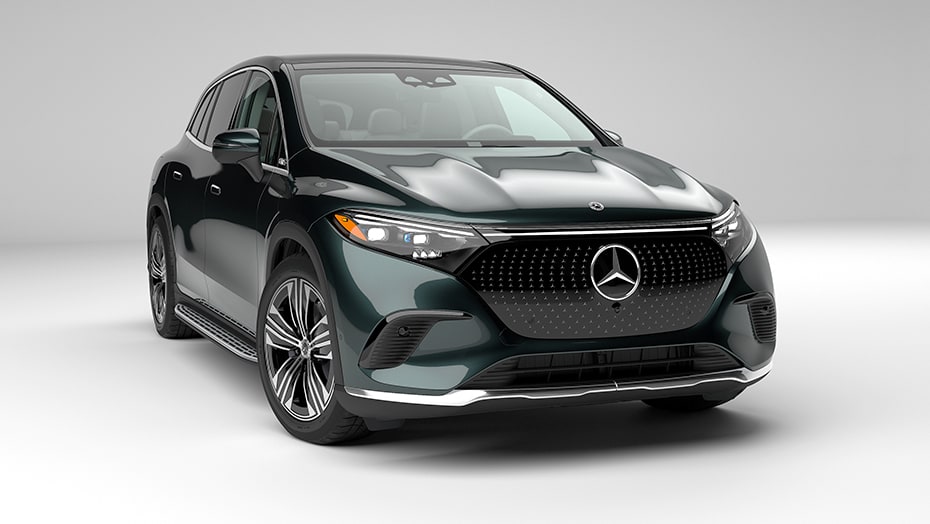
Record-Breaking Incentive for a Flagship EV
Mercedes-Benz has launched an unprecedented discount campaign on its ultra-luxury Maybach EQS 680 SUV, trimming $50,000 off the model’s sticker price. The incentive, known internally as the “Mercedes Incentive Bonus,” represents one of the largest EV price cuts seen this year—a clear sign that the automaker is eager to reinvigorate slowing electric vehicle sales.
The offer applies to the 2025 model year and runs through December 1, 2025, according to CarsDirect. It effectively reduces the SUV’s base price from an estimated $180,000 to around $130,000, positioning it as a surprisingly strong value in the high-end EV market.
Mercedes has also extended smaller—but still substantial—discounts to the 2026 Maybach EQS SUV, offering a $23,000 price reduction as part of the same sales initiative. While these models remain among the most expensive electric SUVs on sale, the incentive brings them into a more competitive price range relative to rivals from BMW, Lucid, and Tesla.

Expanding Discounts Across the EQ Lineup
The Maybach is not the only beneficiary of Mercedes-Benz’s discount wave. The brand’s standard EQS sedan and EQS SUV are also eligible for $10,000 off when purchased outright or $10,500 when leased. These offers are designed to help dealers move excess inventory of first-generation EQ models before a major product refresh in 2026.
Industry analysts say these incentives reflect Mercedes’ growing urgency to clear its current EV stock before introducing the new CLA and GLC electric models, both of which promise improved efficiency, design, and software integration. The discounts also highlight how luxury automakers are adapting to a cooling EV market in the U.S., where consumer enthusiasm has slowed amid high interest rates and fading federal tax incentives.
Production Pause and Strategic Reset
Earlier this year, Mercedes temporarily halted production of U.S.-bound EQE and EQS models, even though these vehicles are assembled at the company’s Tuscaloosa, Alabama plant. The pause signaled a recalibration of its EV strategy, focusing resources on upcoming models that will use Mercedes’ next-generation modular architecture—a platform promising better efficiency and lower production costs.
Executives at Mercedes-Benz have acknowledged that the first-generation EQ designs were too futuristic and polarizing for many traditional buyers. The brand’s aerodynamic “jellybean” styling, though functional, lacked the presence expected from a Mercedes flagship. The next wave of models is expected to feature more classic proportions and familiar design cues, aligning better with customer tastes.
Why the Maybach Still Matters
Even with a $50,000 discount, the Mercedes-Maybach EQS 680 SUV remains firmly in the realm of high luxury. It features handcrafted interior detailing, reclining rear seats with massage and ventilation, dual MBUX Hyperscreens, and near-total cabin silence thanks to its electric powertrain and advanced insulation. For those who value refinement and prestige over outright performance, the EQS 680 still delivers a best-in-class comfort experience.
That said, the price cut significantly broadens its appeal, making the Maybach EQS a more realistic option for buyers who might have otherwise turned to premium trims of the Lucid Air, Tesla Model X, or Range Rover Electric. The incentive also helps dealers reset pricing expectations for future electric models as competition intensifies.

A Sign of a Shifting Luxury EV Landscape
Mercedes’ move underscores a changing landscape in the luxury EV sector. After years of steady growth, demand for high-end electric cars has plateaued in several key markets, prompting automakers to rethink pricing strategies and incentives. For Mercedes, these aggressive discounts are not just a sales tactic—they are a signal of a broader strategic shift toward more attainable, efficient, and user-friendly electric vehicles.
With the CLA and GLC EVs just around the corner, the Maybach EQS discount may mark the end of an era for Mercedes’ first-generation luxury EVs—and the beginning of a more pragmatic phase in its electrification journey.
Recommend Reading: Porsche’s Wireless EV Charger: Convenience at a High Price
Partager:
Tesla Launches Direct Rental Program to Boost EV Sales
Global EV Battery Boom Turns to Glut as Demand Slows