





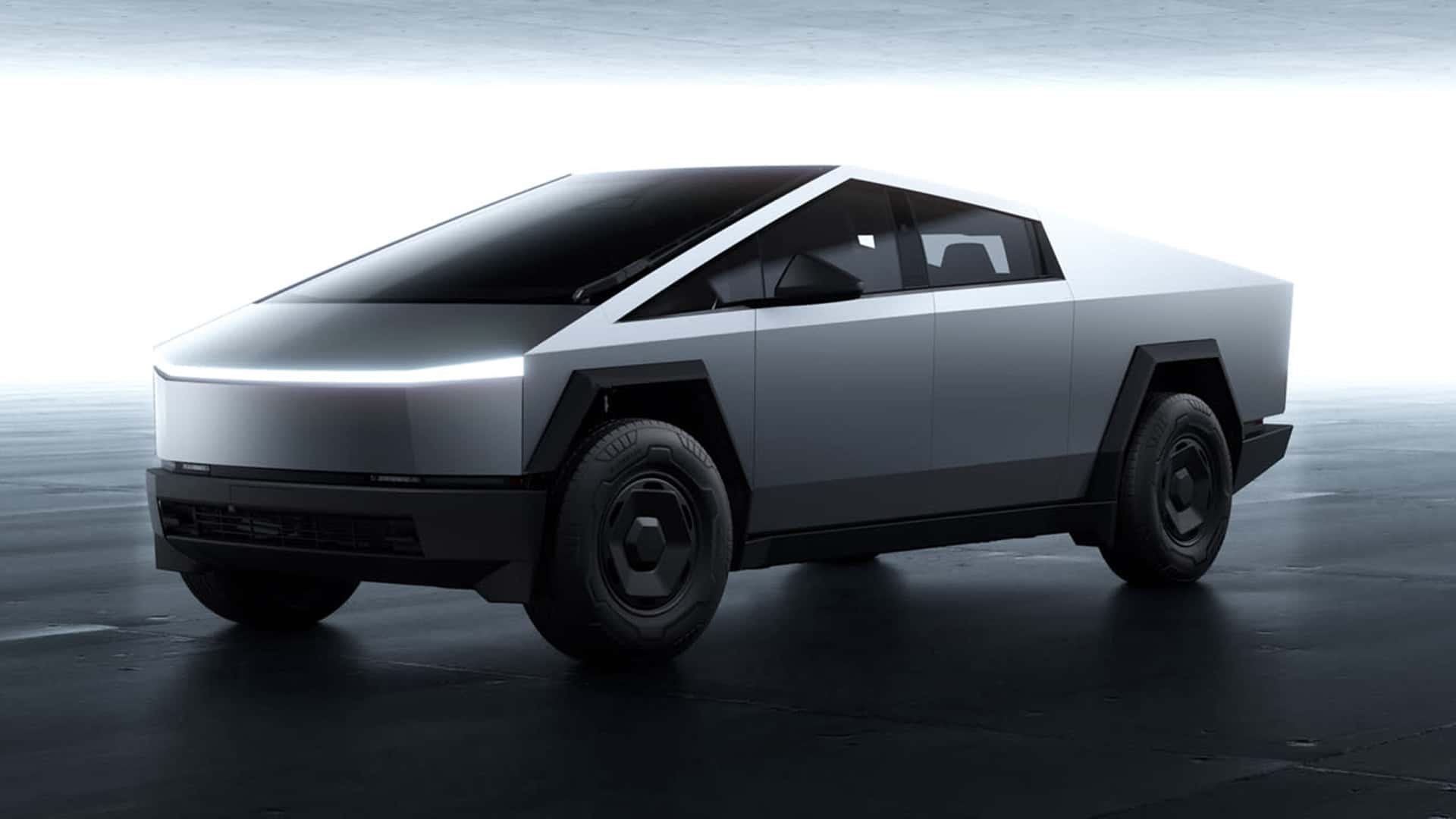
A Steeper Drop Than Any Other EV
The Tesla Cybertruck recorded the largest year-over-year sales decline of any electric vehicle in the U.S. in 2025, according to estimates based on Cox Automotive data. After a strong launch year, Tesla’s futuristic pickup lost momentum faster than any other model on the market.
Cox estimates that Tesla sold nearly 39,000 Cybertrucks in 2024, the truck’s first full year of availability. In 2025, that figure fell to around 20,200 units, a drop of nearly 19,000 vehicles. No other EV saw a larger decline in raw sales volume over the same period.
Because Tesla does not disclose sales by model or region, third-party data remains the best indicator of individual vehicle performance.

Early Success Left More Room to Fall
The Cybertruck’s decline was partly a result of its early popularity. It finished 2024 as America’s best-selling electric pickup, boosted by intense curiosity around its radical design and features like steer-by-wire technology.
However, most EVs sell in far smaller numbers. Many models move between 2,000 and 20,000 units annually, meaning they simply have less room to decline. The Cybertruck’s unusually high starting point made its reversal more visible when demand softened.
Even so, the scale of the drop suggests more than just normalization after launch hype.
Demand Fell Short of Tesla’s Ambitions
Tesla has repeatedly signaled that it expected far higher volumes. The company says its Texas factory can produce more than 125,000 Cybertrucks per year, and Elon Musk has previously suggested 250,000 units annually as a long-term target.
Instead, 2025 sales landed far below those projections. That gap points to overestimated consumer demand, especially given the Cybertruck’s high price, unconventional styling, and limited utility compared with traditional pickups.
A Tough Year for EVs, With Some Clear Exceptions
The Cybertruck was not alone in struggling. More than two dozen EV models posted year-over-year sales declines in 2025, following the expiration of the $7,500 federal clean-vehicle tax credit and growing hesitation among mainstream buyers.
Sales of the Kia EV6 fell 40%, while deliveries of the Cadillac Lyriq declined by roughly 7,400 units. Even the Tesla Model Y saw a drop of about 15,000 vehicles, though that translated to only a 4% decline thanks to its enormous volume.
At the same time, some models thrived. Chevrolet Equinox EV sales doubled, making it the most popular non-Tesla EV in the U.S. Honda Prologue sales rose nearly 19%, while the Ford Mustang Mach-E and Hyundai Ioniq 5 held steady.
Why Electric Pickups Remain a Hard Sell
The Cybertruck also faced challenges unique to electric trucks. Large battery packs make them expensive to build, while concerns around towing range and efficiency continue to deter traditional pickup buyers.
Other automakers have already adjusted course. Ford canceled the F-150 Lightning, while Ram abandoned plans for a fully electric pickup in favor of a range-extended hybrid design. Even successful EV truck makers like Rivian and General Motors remain far below the sales volumes of gas-powered pickups.
Brand Image and Polarization Added Pressure
Beyond market dynamics, the Cybertruck’s polarizing design has divided buyers since its unveiling in 2019. In addition, Elon Musk’s political visibility and alignment with conservative causes have alienated some traditionally EV-friendly consumers.
For some buyers, the Cybertruck came to represent more than just a vehicle, complicating its appeal in an already narrow segment.

Tesla Still Dominates the Bigger Picture
Despite the Cybertruck’s stumble, Tesla remained the dominant force in the U.S. EV market in 2025. Cox estimates the company sold around 590,000 vehicles, securing a 46% market share.
In the final quarter of the year, as incentives disappeared and rivals struggled, Tesla’s share climbed to 59%, underscoring its resilience even in a cooling market.
Recommend Reading: Tesla Model Y Remains America’s Best-Selling EV Despite Market Shifts










Share:
The EV Battery Types That Don’t Mind a Full Charge
Tesla Model Y Standard Proves Efficiency Matters More Than Price