



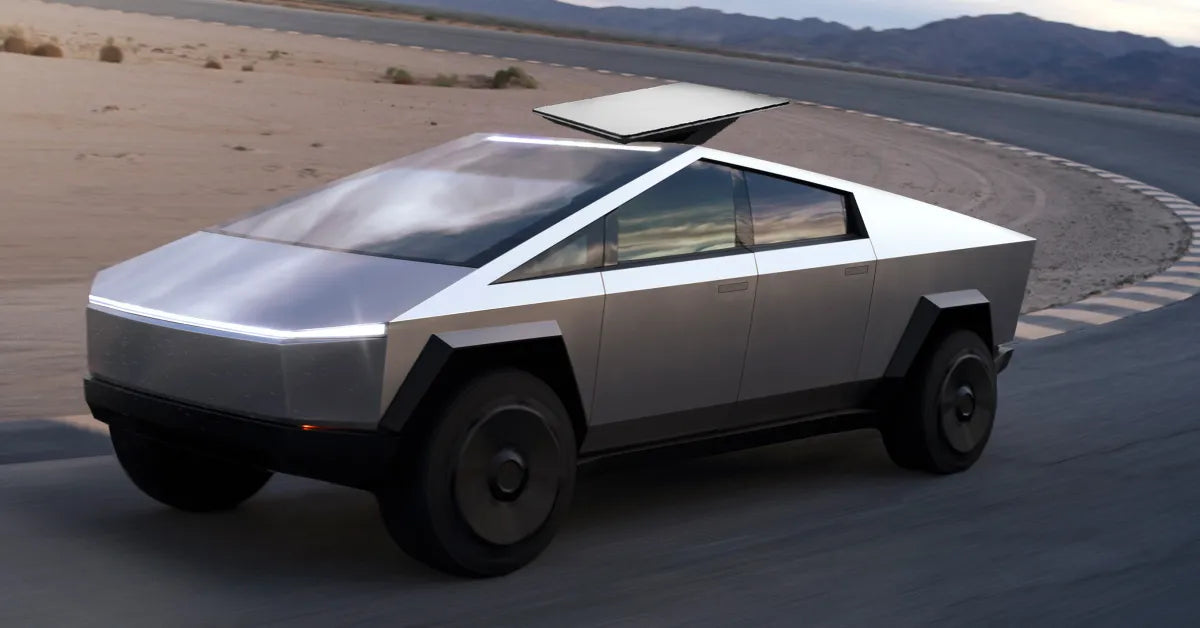
Tesla has closed out 2025 facing a trend it once seemed immune to: declining vehicle sales for a second consecutive year. New figures released by the company show a sharper-than-expected drop in deliveries, highlighting the growing pressures Tesla faces from policy shifts, intensifying global competition, and an aging product lineup.
The results underscore how dramatically the electric vehicle landscape has changed since Tesla’s peak growth years.

Fourth-Quarter Results Reflect Mounting Pressure
Tesla reported 418,227 global deliveries in the fourth quarter of 2025, representing a 15.6% year-over-year decline. Production modestly outpaced deliveries, suggesting softer demand heading into year-end.
As in previous quarters, the Model Y and Model 3 remained the company’s core volume drivers, accounting for the vast majority of shipments. Higher-priced and newer models played only a marginal role in Tesla’s quarterly performance.
Q4 2025 Results
| Q4 2025 Results | Production | Deliveries |
|---|---|---|
| Model Y / Model 3 | 422,652 | 406,585 |
| Cybertruck, Model X / Model S | 11,706 | 11,642 |
| Total | 434,358 | 418,227 |
Annual Deliveries Fall for the Second Year in a Row
For the full year, Tesla delivered 1.63 million vehicles worldwide, down from 1.78 million in 2024, marking an 8.5% annual decline. The company last recorded growth in 2023, when deliveries exceeded 1.8 million units.
This extended downturn reflects a combination of policy headwinds and strategic stagnation. The expiration of the U.S. $7,500 federal EV tax credit removed a major demand catalyst, while revised fuel economy rules have shifted regulatory advantages back toward internal combustion vehicles.
Tesla also continues to face criticism for a limited and aging vehicle lineup, with few high-volume launches to offset slowing demand for its core models.
Full-Year 2025 Results
| Full Year 2025 Results | Production | Deliveries |
|---|---|---|
| Model Y / Model 3 | 1,600,767 | 1,585,279 |
| Cybertruck, Model X / Model S | 53,900 | 50,850 |
| Total | 1,654,667 | 1,636,129 |
Non-Core Models Struggle to Gain Traction
Tesla’s so-called “other models”—the Cybertruck, Model S, and Model X—continued to underperform. In the fourth quarter, these vehicles accounted for just 2.8% of global deliveries, with only 11,642 units sold.
On an annual basis, deliveries of these models fell by around 40%, totaling slightly more than 50,000 vehicles. Once positioned as a major growth driver, the Cybertruck in particular has failed to meet internal expectations amid production challenges, design controversies, and weaker-than-anticipated demand.
Tesla had previously projected annual Cybertruck sales exceeding 200,000 units, a target that now appears increasingly unrealistic.
A Tougher Market Without Incentives
Tesla does not break out sales by region, but the end of U.S. federal EV incentives clearly weighed on results. Without subsidies to buffer higher upfront costs, Tesla has struggled to stimulate demand through pricing alone.
At the same time, competition has intensified across nearly every segment. Legacy automakers are expanding their EV portfolios with more refined, feature-rich offerings, while aggressive pricing from both Western and Chinese manufacturers continues to squeeze margins.
Global Rivals Are Pulling Ahead
While Tesla’s sales declined, competitors moved in the opposite direction. BYD emerged as the world’s largest EV manufacturer, delivering 2.26 million battery-electric vehicles last year, a 28% increase year over year.
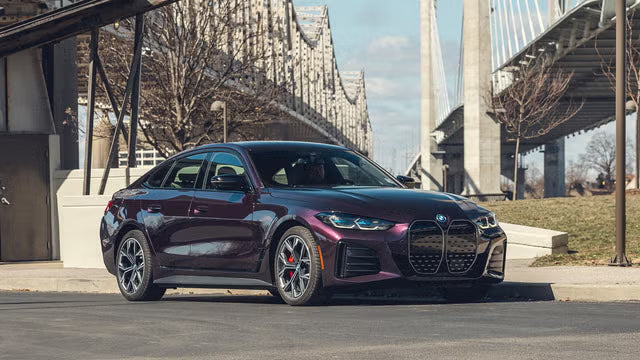
Looking ahead to 2026, Tesla is expected to face even stiffer competition as General Motors, Mercedes-Benz, BMW, and others roll out new affordable and premium electric models. Many of these vehicles promise faster charging, improved interiors, and next-generation software—areas where Tesla once held a clear advantage.

What Comes Next for Tesla
Tesla’s long-term strategy increasingly emphasizes AI, robotics, and autonomous driving, but vehicle sales remain the company’s financial foundation. Without a major product refresh or a breakthrough in autonomy that translates into tangible consumer value, maintaining growth will be difficult.
For now, the 2025 results signal a company in transition—still dominant in scale, but no longer insulated from the realities of a rapidly evolving EV market.
Recommend Reading: Analysts Predict Tesla Sales Surge by 2029
Partager:
Why 2026 Could Be the Best Year Yet to Buy a Used Electric Vehicle
Rivian Faces a Critical Test with the Affordable R2 After 2025 Sales Dip