





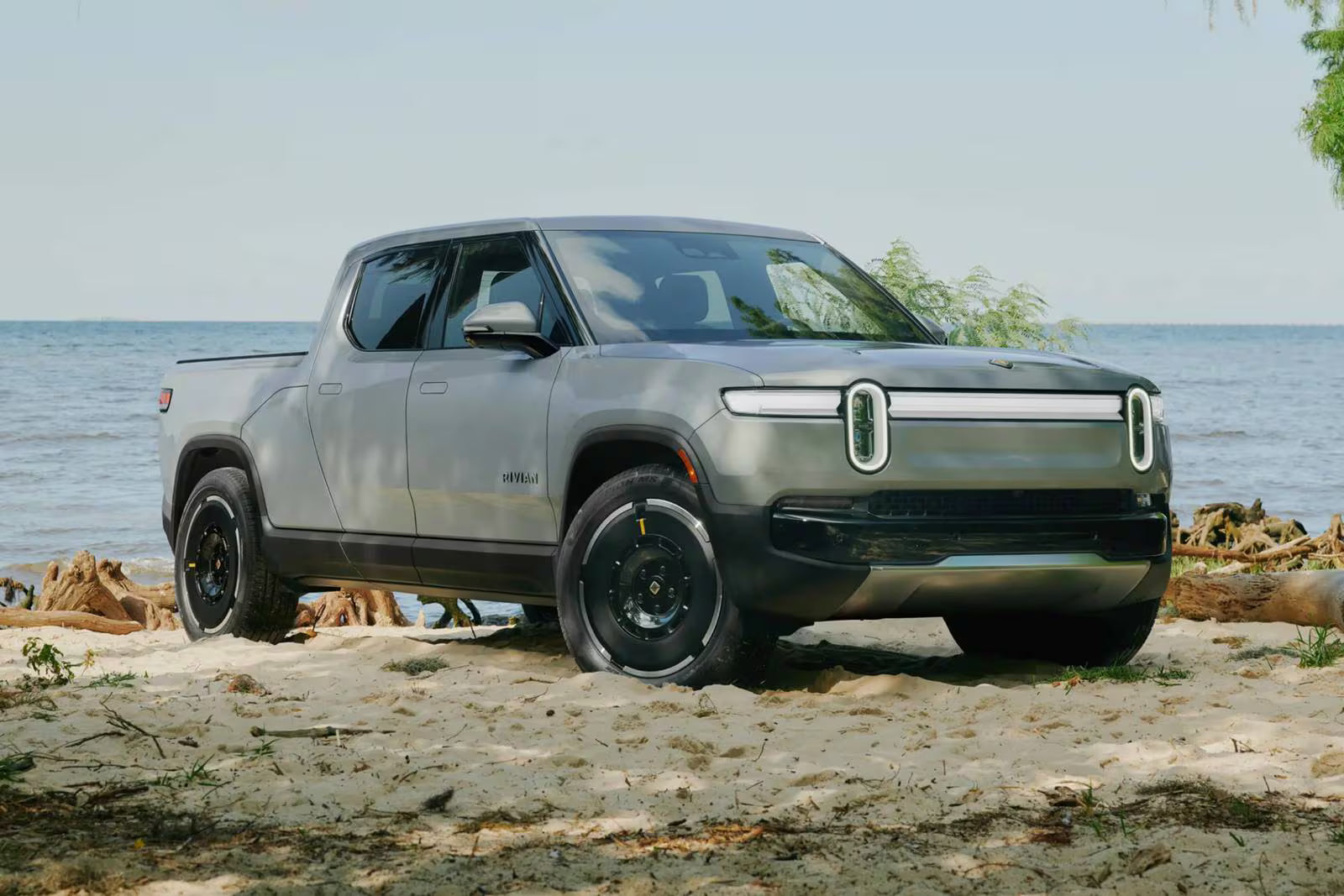
Rivian’s 2025 Sales Decline
Rivian’s 2025 sales reveal the impact of the U.S. electric-vehicle tax credit expiration. The EV startup delivered 42,247 vehicles last year, down 18% from 2024’s record 51,579 units. Fourth-quarter deliveries fell sharply to 9,745, compared to 13,201 in Q3.
This decline reflects a rush of buyers who purchased R1T trucks and R1S SUVs before the $7,500 federal EV tax credit expired in September. Once the incentive ended, demand cooled significantly.
Unlike Tesla, Rivian only sells in North America, making its sales highly sensitive to U.S. policy changes. While annual deliveries met company expectations, the drop highlights the challenges of relying on tax incentives in a limited geographic market.

Comparison to Competitors
Tesla reported a 9% global sales decline in 2025 but operates in multiple regions, softening the blow. Meanwhile, BYD surpassed Tesla to become the world’s top EV seller, benefiting from China’s growing EV market.
Rivian CEO RJ Scaringe suggests that the end of the tax credit could ultimately reduce competition by discouraging rivals from overinvesting in U.S. EV production. “Narrowly and myopically through the lens of Rivian, it actually creates less competition,” Scaringe said in November 2025.
The R2: Rivian’s Affordable EV Challenge
The 2026 Rivian R2 is set to be the company’s most affordable EV yet, positioned to expand volume sales beyond the premium R1 models, which start around $80,000–$100,000. The R2 is expected to begin at roughly $45,000, though launch edition pricing will likely be higher.
Designed on a new platform, the R2 is a smaller SUV targeting a broader audience. Rivian aims for the R2 to become its volume-selling model, similar to how Tesla relies on the Model Y for mass-market reach.
Scaringe emphasized the importance of the R2: “If you want to buy an electric vehicle under $50,000 today, there are well under five great choices. The R2 needs to be compelling enough to attract buyers without relying on tax incentives.”

Rivian’s Technological Advances
Beyond affordability, Rivian is expanding its technology portfolio. The company is developing autonomous driving capabilities for future R2 variants, including lidar integration for eventual self-driving.
Rivian is also creating in-house computer chips, aiming to compete with Nvidia in vehicle computing. This effort supports both autonomy and software development, including its partnership with Volkswagen Group on their upcoming electrical architecture and software systems, part of a $6 billion joint venture.
What to Expect in 2026
Rivian plans to begin R2 deliveries in the first half of 2026, marking a pivotal moment for the company. Until then, the R1T and R1S must sustain revenue and brand momentum.
The R2’s success is critical: it will determine whether Rivian can transition from a niche luxury EV maker to a mass-market contender in the U.S. market. Analysts and investors will watch closely to see if Rivian can deliver a compelling, affordable EV that competes beyond policy incentives and drives sustainable growth.
Recommend Reading: Rivian Expands Hands-Free Driving and Adds Key Software Upgrades










Share:
Tesla Delivers Fewer Vehicles Again as 2025 Sales Slide
Hyundai’s EV Growth Surges in 2025, But Challenges Loom Ahead