






Toyota Expands Its EV Lineup
Despite fading U.S. tax incentives and relaxed fuel economy rules, 2026 still promises growth in affordable electric vehicles, and Toyota is positioning itself for the opportunity. The highlight is the 2026 Toyota C-HR, a compact, all-electric crossover built on the e-TNGA platform, joining Toyota’s bZ family.
Historically cautious with EVs, Toyota is now pushing forward with smaller, budget-conscious models that appeal to mainstream buyers. The C-HR aims to combine practicality, performance, and modern features in a package that’s accessible for a wider audience.

Design and Performance
The 2026 C-HR (marketed as the C-HR+ in some regions) is smaller than the bZ, with a shorter wheelbase and overall length, making it easier to maneuver in urban environments. Despite the compact size, it shares the 74.7-kWh battery pack with the larger bZ and comes standard with dual-motor all-wheel-drive, providing strong traction and performance.
Toyota estimates a range of roughly 290 miles, putting it near the standard range for modern EVs. The vehicle also delivers 338 horsepower, reaching 0-60 mph in about five seconds, making it one of the faster vehicles in its segment.
Charging and Technology
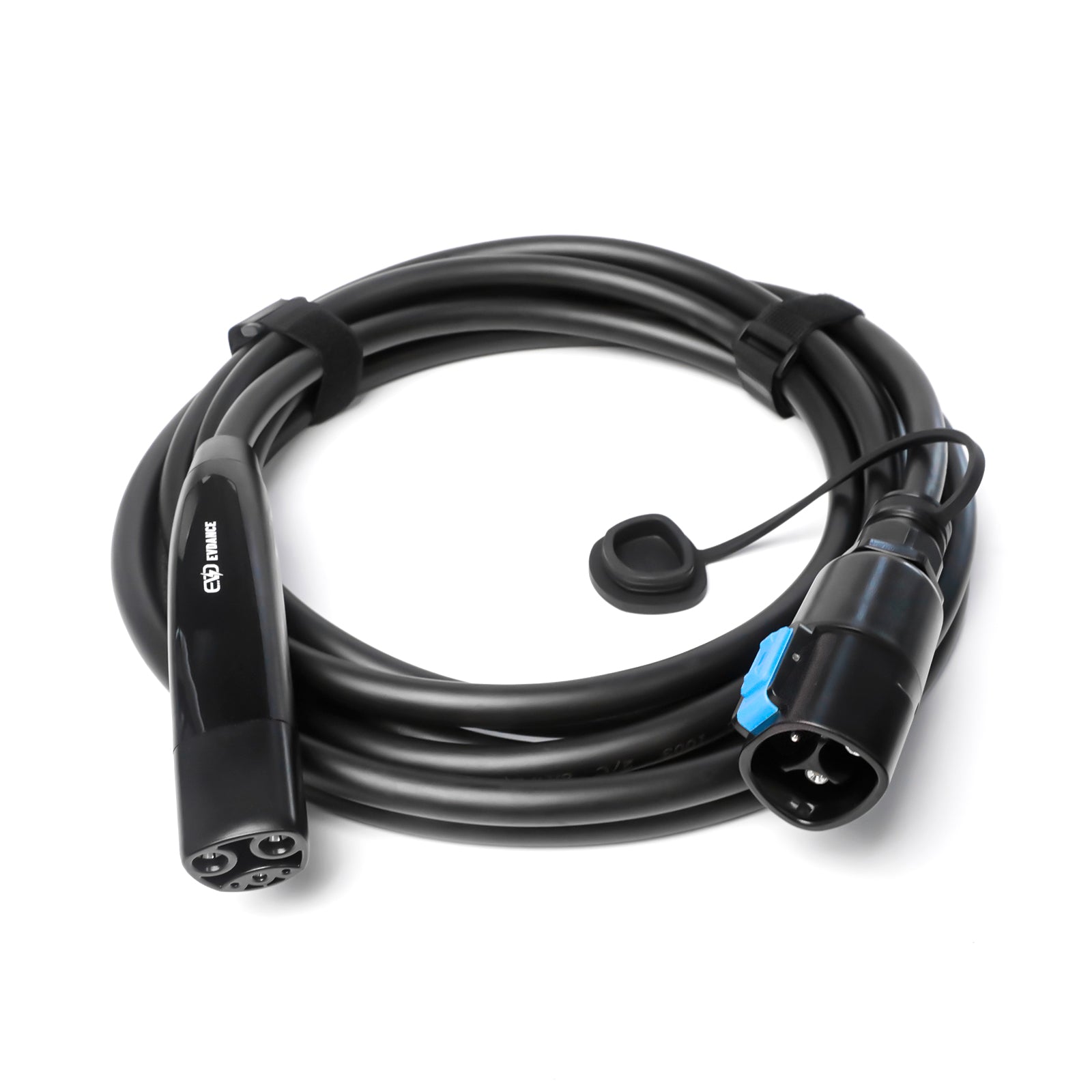
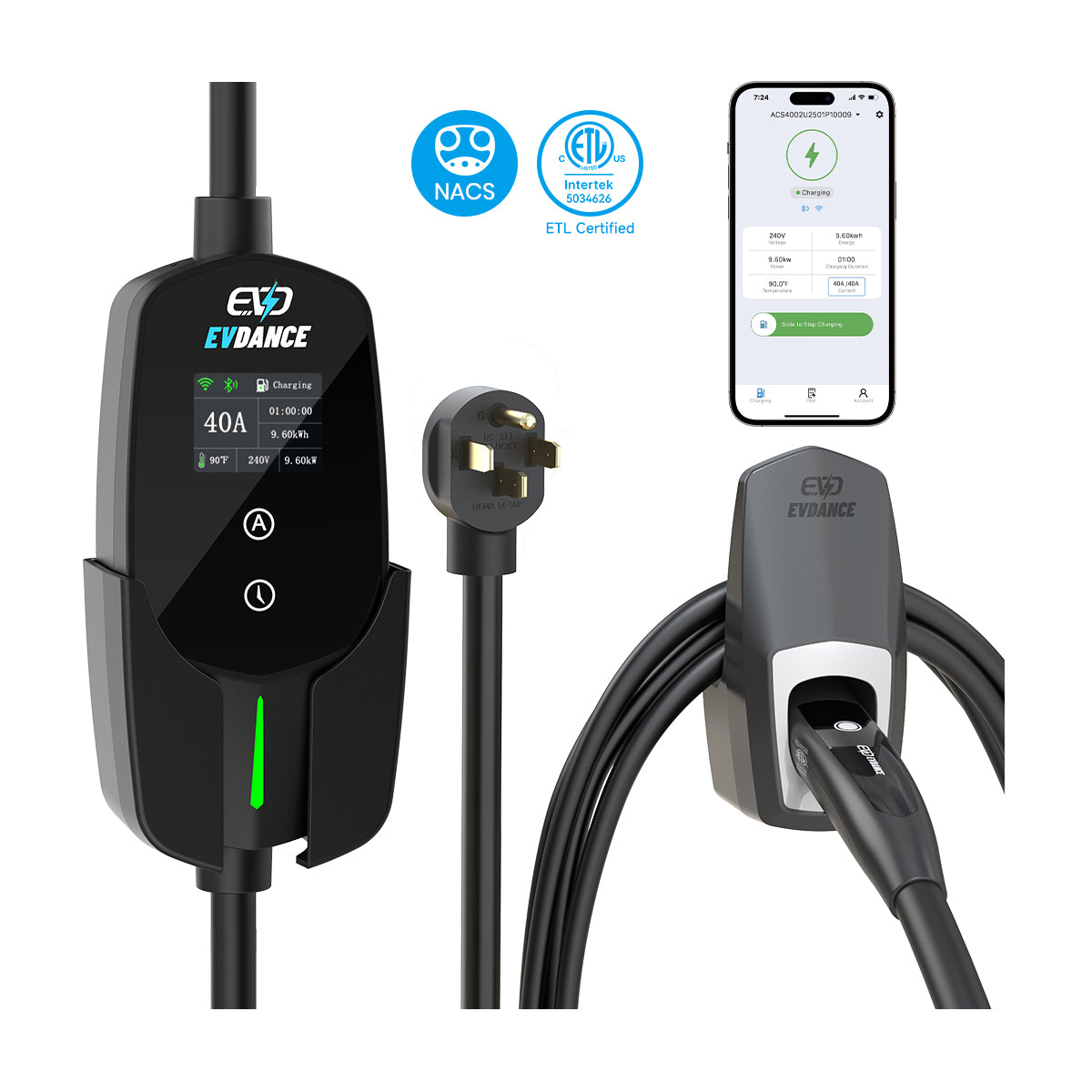
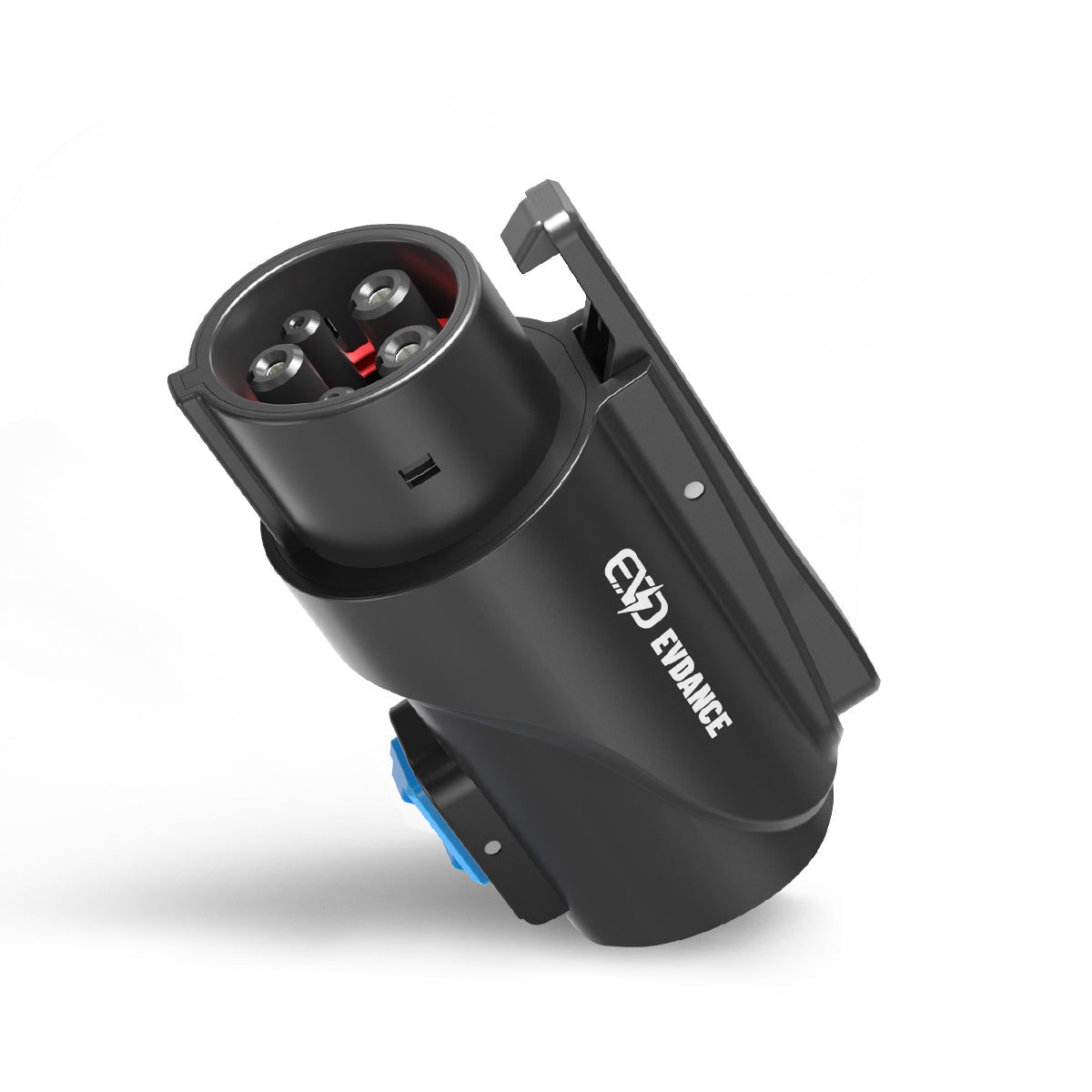
The C-HR adopts the North American Charging Standard (NACS) port, streamlining access to Tesla’s Supercharger network. While adapters were previously required, the native NACS port ensures a smoother experience for U.S. drivers.
Inside, the vehicle includes modern infotainment and driver-assistance technology, while some space is sacrificed compared with the bZ. Cargo volume is about three cubic feet smaller, and interior dimensions are tighter, reflecting the compact design.
Global Variants and Battery Options
In other markets, Toyota offers variations that include front-wheel-drive trims and lithium-iron-phosphate (LFP) battery options. The European C-HR+ will feature 57.7-kWh and 77.0-kWh LFP batteries, providing different range and cost options. Toyota has confirmed plans to continue developing longer-range LFP batteries for upcoming models.
These variations highlight Toyota’s global strategy to balance affordability, range, and performance for different markets. For U.S. buyers, the dual-motor all-wheel-drive version provides higher performance and better all-weather capability.
Pricing and Availability
Toyota has indicated that the C-HR will arrive in U.S. dealerships later in 2026, with pricing expected to start below $40,000, and possibly under $35,000, making it one of the most affordable options in its segment.
Alongside the C-HR, Toyota is also bringing the larger bZ Woodland and several Subaru-badged variants to the U.S. market, expanding the e-TNGA platform’s presence. These launches underscore Toyota’s commitment to increasing EV accessibility for mainstream consumers.

Conclusion
The 2026 Toyota C-HR represents a key step in Toyota’s EV strategy, offering a compact, performance-oriented, and affordable option for buyers who have been waiting for the automaker to embrace electric mobility seriously. With competitive range, dual-motor all-wheel-drive, and easy charging access, it has the potential to strengthen Toyota’s position in the rapidly growing EV market.
Recommend Reading: Toyota Highlights EVs’ Potential to Support the Power Grid










Partager:
Norway Nearly Eliminates New Gas Car Sales in 2025
Production-Ready Solid-State Battery Promises Ultra-Fast Charging