





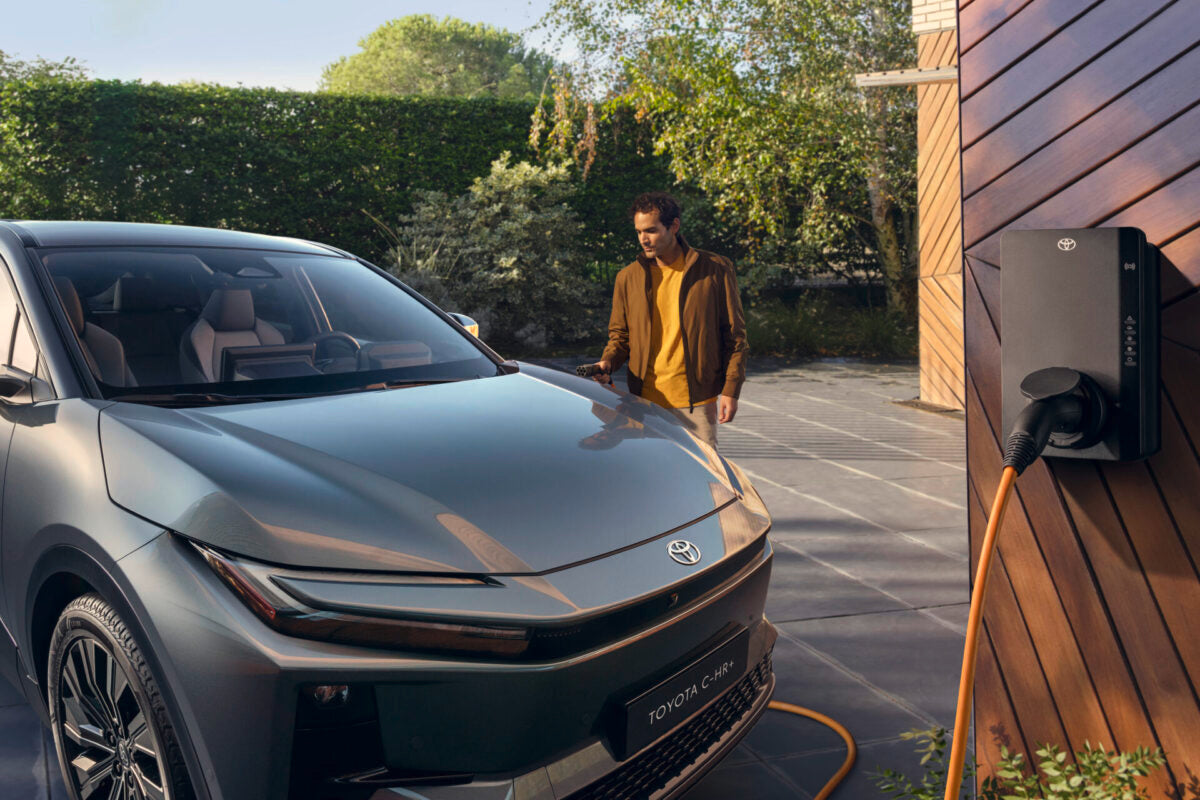
As electricity demand surges across the United States, electric vehicles may play a surprising role in stabilizing the grid, thanks to bidirectional charging technology.

Rising Electricity Demand and EVs
The U.S. is facing unprecedented electricity demand driven by AI data centers, extreme temperatures, and an aging grid. At first glance, adding millions of EVs to the mix may seem risky. However, modern EVs can not only draw power but also supply it back, helping balance the grid during peak usage.
Bidirectional charging allows EVs to power homes, devices, or even send electricity back to the local utility network. This feature, increasingly included in new EVs, is the foundation for vehicle-to-grid (V2G) systems.
Toyota’s Pilot Programs
Toyota is taking steps to explore V2G potential. The automaker recently expanded a pilot program at its North American headquarters in Plano, Texas, in collaboration with utility Oncor and Fermata Energy’s bidirectional charger. A Japanese-spec bZ4X test vehicle is currently feeding energy back into the grid.
According to Toyota, the charger “analyzes price signals and grid conditions to determine optimal times to charge or discharge,” maximizing benefits for both drivers and utilities.
Toyota is also testing similar programs with San Diego Gas & Electric and Pepco in Maryland, monitoring both local energy needs and customer participation.
How V2G Works
In V2G programs, EV owners connect to specialized chargers capable of sending electricity back into the grid. The utility must be equipped to receive this energy. When the grid requires additional power, energy stored in the EV is transmitted to support local supply. Drivers often receive credits for contributing, and they can opt out or unplug at any time.
These systems are sometimes called “virtual power plants”, creating a network of distributed energy storage that can respond dynamically to demand.
The Scale of EV Grid Support
Toyota estimates that if all 4 million battery electric vehicles in the U.S. were V2G-enabled, they could collectively provide around 40,000 megawatts of power, roughly equivalent to 40 nuclear reactors.
This capability highlights a significant advantage over gasoline vehicles, which can only deliver energy to move themselves. EVs equipped with bidirectional charging could relieve stress on the grid, reduce peak energy costs, and improve resilience.

Future Implications
Currently, Toyota does not offer consumer EVs with V2G or V2L functionality, unlike brands such as Hyundai, Nissan, Ford, and General Motors. However, the company’s pilot programs indicate that integration is likely in the future.
Christopher Yang, Toyota Motor North America’s Senior VP of Enterprise Strategy & Solutions, said, “By enabling bidirectional charging, we’re exploring how we can help customers save money while reducing carbon emissions. It’s a win-win for drivers and the environment.”
As more EVs adopt V2G technology, residential electricity costs could stabilize, and renewable energy integration may become easier, paving the way for a smarter, more resilient power system.
Recommend Reading: How to Power Your RV Using EV Bidirectional Charging?

Share:
Why Used Electric Vehicle Prices Are Falling So Fast
Tesla Model 3 Performance vs. Ford Mustang Dark Horse: A Close Race