



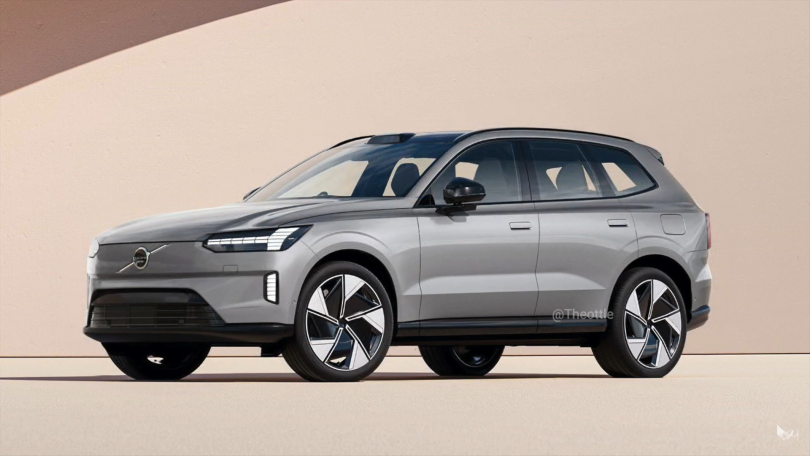
Volvo is gearing up to introduce the EX60, a smaller and more affordable electric SUV that will slot beneath the brand’s flagship EX90. Serving as the all-electric counterpart to the XC60, the new EX60 won’t break the bank—it’s expected to cost roughly the same as the XC60 plug-in hybrid, which currently starts at $62,445 including destination.

A Smarter, More Efficient Platform
Built on Volvo’s all-new 800-volt SPA3 platform, the EX60 promises serious gains in performance and efficiency. The Swedish automaker claims 15% faster charging, 35% more drive power, and continuous improvement through over-the-air software updates. The model will also feature Volvo’s next-generation battery packs, which boast 20% higher energy density—making this SUV the brand’s longest-range EV yet.
Just as importantly, the new platform allows for major cost savings. By using structural battery integration and large aluminum megacastings, Volvo can cut production costs by up to 25%. Combined with a powertrain that’s 18% cheaper to produce than current setups, these savings make it possible for the EX60 to achieve something few EVs have done: price parity with its hybrid sibling.
The Right Car at the Right Time
Volvo hopes the EX60 will appeal to current XC60 owners who are ready to go fully electric—without a steep price hike. It also has its sights set on popular rivals like the Tesla Model Y and Hyundai Ioniq 5, both of which dominate the midsize EV market.
Design-wise, Volvo isn’t reinventing the wheel. The EX60 will keep the clean, minimalist Scandinavian styling that has become a brand hallmark, ensuring it feels familiar to returning customers. The company has been teasing the model ahead of its official debut early next year, and with competition heating up fast, getting this one right is critical.

Competitive Edge Against Premium Rivals
Volvo’s parent company, Geely, already sells several premium EVs in Europe, such as the Zeekr 7X, which starts at around €52,990 ($61,200) and offers features like 400 kW charging and even powered automatic doors. While the EX60 won’t come with flashy extras like those, its value proposition remains strong—especially if it stays close to the XC60 PHEV’s price point.
That would make the EX60 slightly pricier than mass-market rivals like the Model Y or Ioniq 5, but still very competitive among luxury EVs. The upcoming BMW iX3, for instance, is expected to start around $60,000 when it launches in the U.S. next year.
For Volvo, the EX60 represents more than just another EV—it’s the bridge to a new era of affordability, performance, and sustainable design. If the brand delivers on its promises, the EX60 could become the model that brings premium electric driving to the mainstream.
Recommend Reading: Volvo Offers One Year of Free Home Charging for New EV Buyers in Sweden

Partager:
Renault Revives the Twingo as a Budget EV to Rival Low-Cost Chinese Cars
Tesla Loses Key Cybertruck and Model Y Leaders