



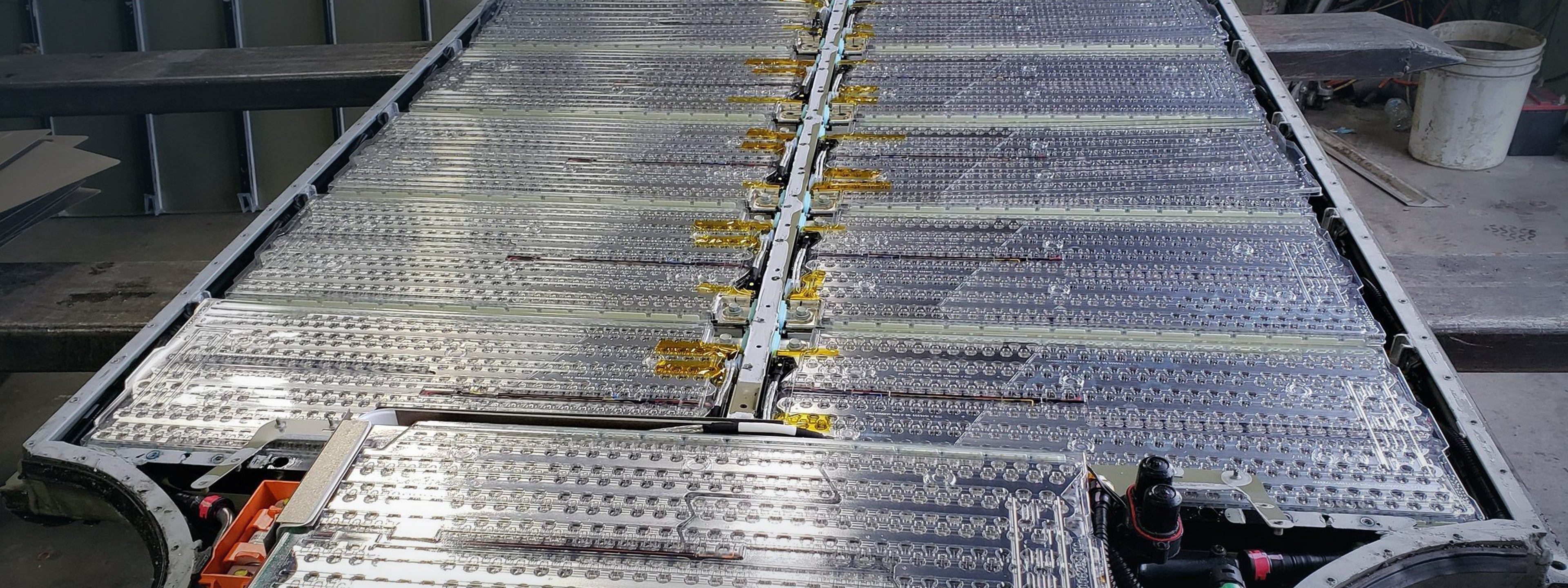
Electric vehicles (EVs) are rewriting the narrative about their longevity and value. Contrary to myths about EVs being worthless secondhand due to short battery lifespans, growing evidence suggests that EV batteries are outperforming expectations, lasting far beyond their warranties. In some cases, EVs could even outlive many traditional internal combustion engine (ICE) vehicles.
Debunking the Myth: EV Batteries vs. Reality
A common misconception about EVs is that their batteries degrade quickly, much like the batteries in smartphones. This notion, fueled by early reports and consumer concerns, led to skepticism about EVs' long-term value. However, studies and real-world data paint a very different picture.
Research from firms like P3 and Geotab reveals that EV batteries retain about 90% of their original capacity after 100,000 kilometers and maintain 87% capacity even at 300,000 kilometers. This performance far exceeds the eight-year, 70%-capacity warranty standard offered by most automakers.
Charlotte Argue, a senior manager at Geotab, notes that the average battery degradation rate is now 1.8% per year, down from 2.3% in 2019. If this trend continues, an EV could retain 82% of its capacity after 10 years and 64% after 20 years, making it a viable and valuable option for decades.
Why EV Batteries Last Longer
1. Charging Patterns
Unlike smartphones, which are charged daily, EVs are typically charged less frequently, often weekly or even less. This reduces the strain on the battery, contributing to its longevity.
2. Advanced Battery Management Systems
Modern EVs are equipped with sophisticated battery management systems (BMS) that regulate charging and discharging, ensuring optimal performance and preventing premature degradation. These systems have significantly improved over the past decade.
3. Reduced Wear and Tear
EV batteries are engineered for heavy-duty use in applications like motorsports and mining before being adapted for consumer vehicles. This robustness ensures durability under normal driving conditions.
Real-World Evidence: EV Longevity
Tesla Model S
A 2015 Tesla Model S in the UK press fleet has logged over 250,000 miles on its original battery, retaining 86% of its capacity.
BMW i3
BMW's 2013 i3, with its 22.6-kWh battery, still boasts 83% capacity after nearly 10 years, exceeding the company’s expectations.
Fleet Studies
Reports from fleet vehicles show consistent trends. For example, Geotab’s analysis of over 5,000 EVs indicates that high mileage has minimal impact on battery degradation, though frequent use of DC rapid charging and extreme temperatures can accelerate wear.
Challenges and Opportunities
Consumer Concerns
There remains a degree of consumer skepticism about secondhand EVs. James Wallace, cofounder of Elysia, highlights the need for greater transparency in reporting battery health. Accurate assessments could boost buyer confidence and enhance the resale market.
Battery Buffers
Automakers often include a buffer in battery capacity to prevent stress from full or empty states. While these buffers protect the battery, some experts argue they could be reduced, lowering production costs and making EVs more affordable.
Rapid Charging and Hot Climates
Frequent use of DC fast chargers and exposure to high temperatures can increase degradation rates. However, with advancements in thermal management and charging technology, these effects are becoming less pronounced.
Looking Ahead: A New Era for EVs
EVs' longer lifespans could disrupt the automotive industry, where vehicles are typically scrapped after 15 years. With batteries lasting 20 years or more and the rest of the car requiring minimal maintenance, EVs offer a cost-effective and environmentally friendly alternative to ICE vehicles.
Manufacturers are beginning to recognize this potential. For instance:
- Toyota offers a 10-year warranty on its EV batteries.
- MG has experimented with lifetime guarantees in select markets.
These extended warranties reflect growing confidence in battery durability and could become the industry standard.
Conclusion: A Bright Future for Electric Cars
Electric cars are proving to be more than just a sustainable alternative—they're redefining what durability means in the automotive world. As battery technology continues to improve, EVs are poised to offer exceptional value and longevity, making them a smart choice for both consumers and the planet.
With the prospect of 20-year-old EVs still providing practical range and functionality, the shift to electric is not just an environmental imperative but a durable investment in the future of mobility.

Share:
Top 5 Hybrid Cars of 2024
The Unplugging of Canada’s EV Rebates: Implications for Policy, Markets, and Climate Goals