

As the electric vehicle (EV) market undergoes rapid global expansion, two manufacturers have emerged as the undisputed leaders of the industry: Tesla, the American pioneer, and BYD, the Chinese powerhouse. Once perceived as an underdog, BYD has rapidly ascended the ranks to challenge Tesla’s dominance in multiple markets. With both companies vying for global leadership, the question arises: who is truly winning the EV war?

This article presents a detailed comparison of Tesla and BYD across five critical dimensions: sales performance, market presence, technological innovation, product portfolio, and strategic direction.


1. Global Sales: BYD Overtakes Tesla in Units, Tesla Leads in Revenue

In 2023, BYD surpassed Tesla in total EV units sold, delivering over 3 million electric vehicles, including both battery electric vehicles (BEVs) and plug-in hybrids (PHEVs). Tesla, which exclusively manufactures BEVs, delivered approximately 1.81 million vehicles.

Brand 2023 BEV Sales Total EV Sales (incl. PHEVs) Revenue (Estimate)
Tesla 1.81 million 1.81 million $96 billion
BYD 1.57 million 3.02 million $72 billion


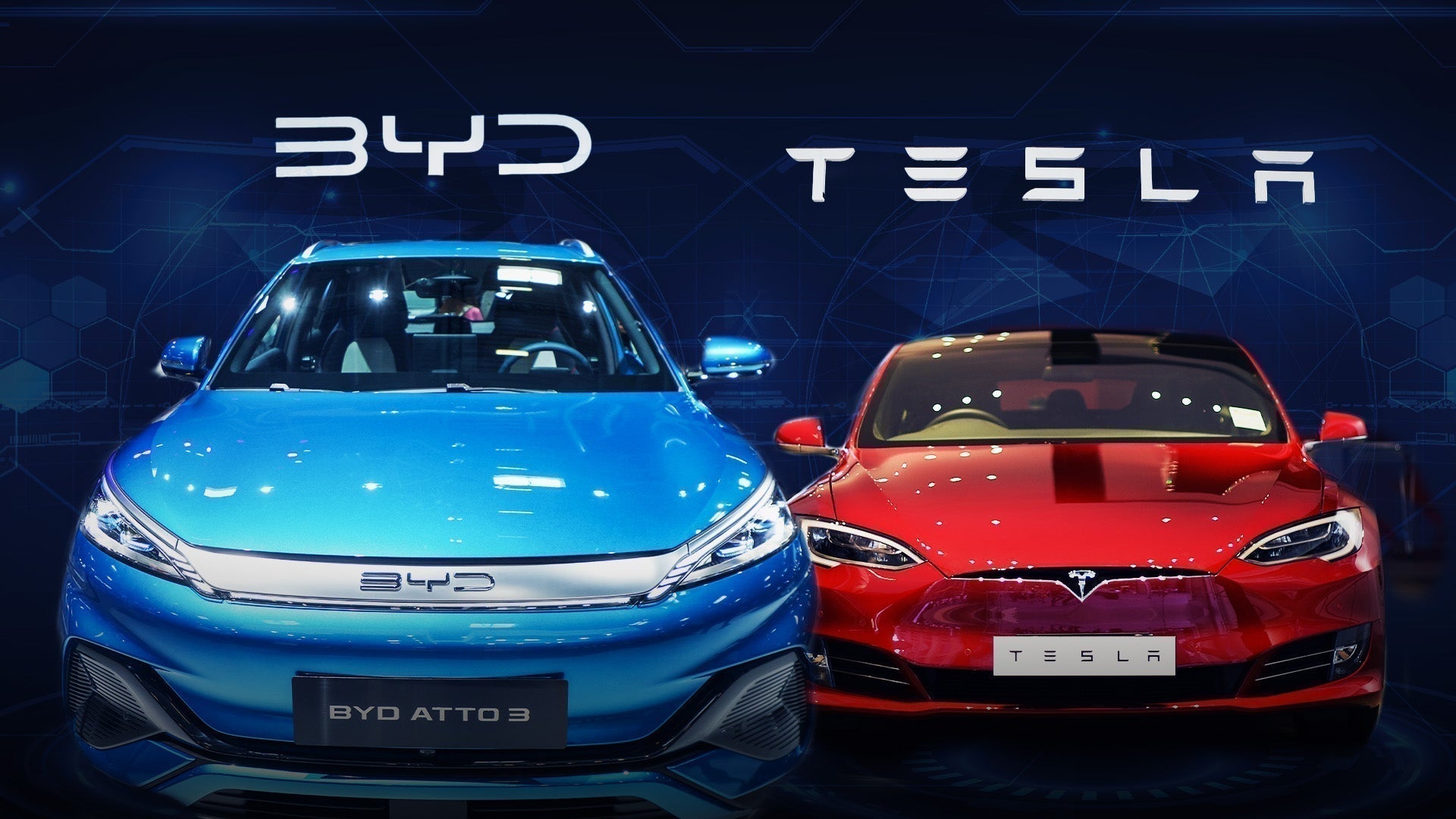
Side-by-side comparison of Tesla and BYD’s 2025 global EV performance including units sold, revenue, battery innovation, and global reach.


2. Market Presence: Tesla Strong in U.S. and Europe, BYD Expanding Aggressively Abroad

Tesla’s market share remains dominant in North America, with over 50% of the U.S. EV market as of mid-2024. In Europe, Tesla has a strong presence but is losing ground to both legacy automakers and newer EV entrants.

BYD, originally focused on the Chinese market, is rapidly expanding into Latin America, Southeast Asia, the Middle East, and Europe. In the first half of 2024, BYD became Norway’s second-largest EV brand, and its vehicles are now available in over 70 countries.

Distribution Comparison (Mid-2024)

Region Tesla Strength BYD Expansion
North America ✅ Dominant ⚠️ Limited
Europe ⚠️ Challenged ✅ Expanding
China ⚠️ Under threat ✅ Leading
Latin America ⚠️ Minimal ✅ Fast Growth
Middle East ⚠️ Absent ✅ New Market


Tesla Model Y


3. Technology and Innovation: Autonomy vs. Efficiency

Tesla has invested billions into its Full Self-Driving (FSD) software, Dojo AI training supercomputer, and 4680 battery cells. Its cars offer over-the-air updates, an advanced infotainment system, and autonomous driving capabilities still in beta development.

BYD, while not as aggressive in autonomy, excels in battery innovation. Its Blade Battery technology emphasizes safety, long cycle life, and affordability. BYD is also vertically integrated—producing its own chips, batteries, and drive systems—reducing reliance on suppliers.

Category Tesla BYD
Autonomy Advanced (FSD Beta) Basic L2 systems
Battery Tech 4680 cell Blade LFP cells
Chip Design Tesla D1 (Dojo) BYD in-house controllers
Over-the-Air Updates Extensive Limited
Software Ecosystem Mature Developing


4. Product Portfolio: Luxury vs. Mass Market

Tesla maintains a relatively narrow product line: Model S, 3, X, Y, and the Cybertruck. All are positioned as premium or performance vehicles, with prices ranging from $39,000 to over $100,000.

BYD offers over 20 EV models across segments, from affordable city cars like the BYD Dolphin to executive sedans like the Han EV and luxury SUVs like the Tang. The company’s success lies in serving a broad consumer base, especially in developing markets.

Tesla’s advantage lies in brand prestige and performance. BYD’s edge is variety, affordability, and localization.


5. Strategic Vision: Scaling vs. Ecosystem Control

Elon Musk has steered Tesla toward a long-term vision of a fully autonomous, software-driven car company. Tesla’s goals include:

  • Creating a vertically integrated energy + mobility ecosystem

  • Leading in AI through investments in Dojo and xAI

BYD, meanwhile, is focused on:

  • Maintaining its leadership in battery supply

  • Dominating fleet, public transport, and affordable private vehicles

  • Expanding its overseas manufacturing capacity (e.g., new EV plants in Brazil and Hungary)

Tesla may have the more ambitious roadmap, but BYD has executed faster and more consistently across global markets.


Tesla vs. BYD in 2025: Key Performance Indicators

KPI Tesla BYD
BEV Units Sold (2023) 1.81 million 1.57 million
Total EV Units 1.81 million 3.02 million
Avg. Selling Price (ASP) ~$53,000 ~$24,000
Gross Margin ~19% ~15%
Net Profit (est. 2023) ~$12 billion ~$6.8 billion
Global Market Expansion Slower Faster
Innovation Investment Higher (AI, FSD, Dojo) Focused (Battery, Cost)

Who’s Winning?

Short-Term Victory: BYD

  • BYD currently leads in volume, geographic reach, and affordability.

  • It has overtaken Tesla in total EV sales and is rapidly scaling outside China.

  • Its diversified portfolio gives it flexibility in changing markets.

Long-Term Contender: Tesla

  • Tesla retains a technological edge, brand loyalty, and higher margins.

  • Its focus on autonomy and AI could pay off massively in the coming decade.

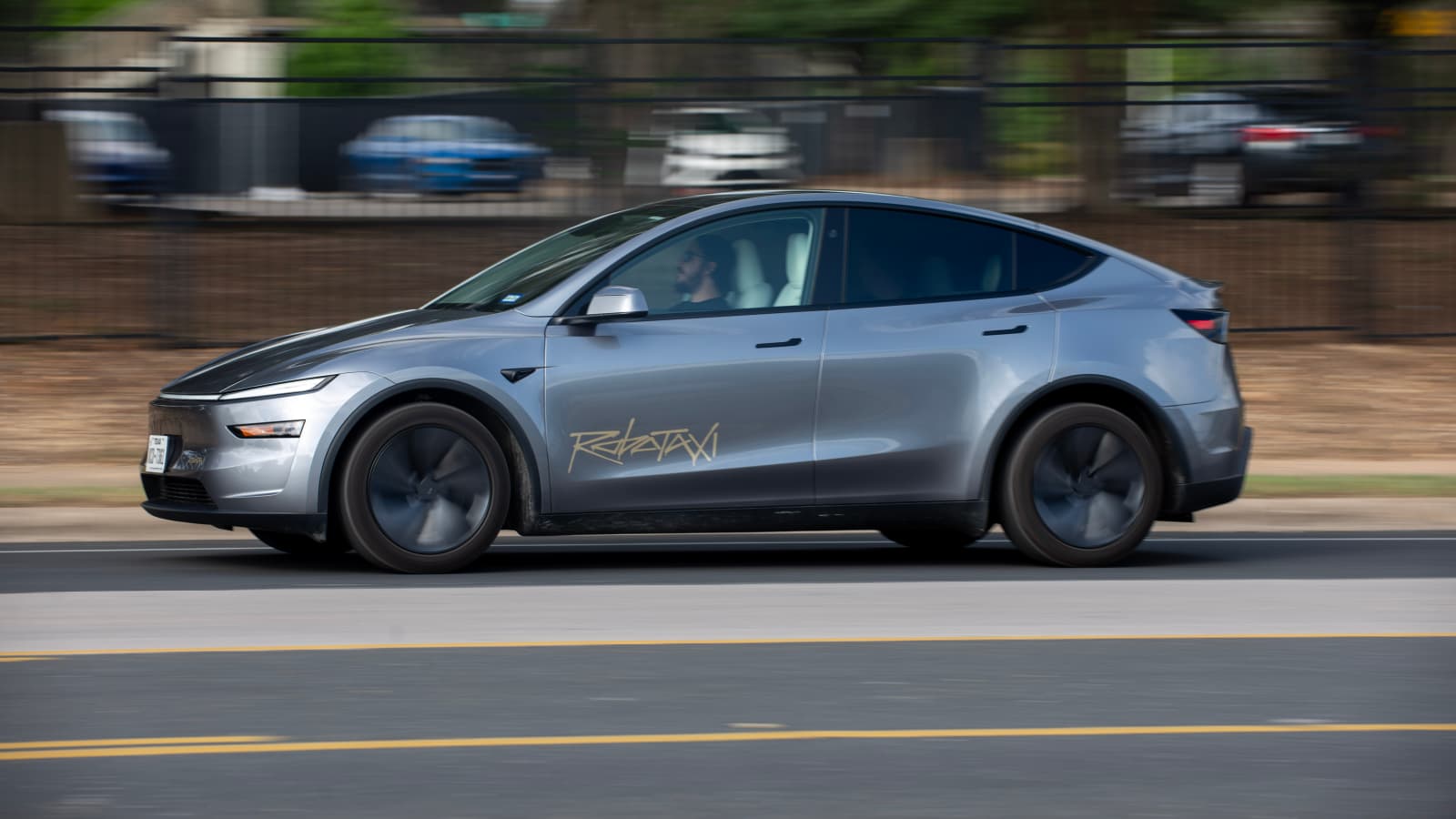
  • If successful, its robotaxi and FSD platform could redefine the EV market entirely.

Tesla Model 3

Recommended Reading: Xpeng Expands Its EV Ambitions in Europe With Affordable Models and Bold Tech
FAQs - Tesla Model Y Comprehensive 2025 Edition

What is the Tesla Model Y and why is it so popular in the EV market?

The Tesla Model Y is a fully electric compact SUV launched in 2020 and quickly became Tesla’s best-selling vehicle worldwide. It combines long driving range, advanced Tesla Autopilot and Full Self-Driving (FSD) features, over-the-air software updates, and practical cargo space, making it ideal for families and commuters. Its balance between affordability, performance, and technology explains why it has surpassed sales of the Model 3 in many markets.

What are the key differences between the Tesla Model Y trims (Long Range, Performance, RWD)?
  • Model Y Rear-Wheel Drive (RWD): Entry-level, most affordable, suitable for city driving and shorter commutes.
  • Model Y Long Range (AWD): Dual-motor all-wheel drive, offering up to 330 miles of range, best balance for daily use and long trips.
  • Model Y Performance: Higher acceleration (0–60 mph in 3.5s), sportier handling, slightly shorter range (~303 miles).

Choosing between them depends on budget, driving habits, and whether you value maximum range or sporty performance.

How far can the Tesla Model Y go on a full charge?

As of 2025, the EPA-rated ranges are:

  • Model Y RWD: ~260 miles
  • Model Y Long Range: ~330 miles
  • Model Y Performance: ~303 miles

Real-world range may vary based on driving speed, weather, terrain, and vehicle load.

How does Tesla Model Y charging work at home and on the road?
  • Home Charging: Compatible with NACS (Tesla’s North American Charging Standard) and can also use J1772 adapters. A NEMA 14-50 outlet or Tesla Wall Connector is recommended for faster charging at home.
  • Public Charging: Model Y has seamless access to Tesla Superchargers (Level 3 DC Fast Charging), providing ~200 miles of range in ~15 minutes. In 2025, many CCS1 charging networks are also opening to Tesla via adapters.

Tip: For EV owners in North America, NACS is becoming the dominant charging connector, making Model Y future-proof.

How much does the Tesla Model Y cost in 2025?

Pricing may vary by market and incentives:

  • Model Y RWD: ~$44,000
  • Model Y Long Range: ~$49,000
  • Model Y Performance: ~$53,000+

Tax credits (such as the U.S. Federal EV tax credit) and state-level rebates can significantly reduce the effective cost.

What are the maintenance costs of a Tesla Model Y compared to gas cars?

Tesla Model Y requires lower maintenance than internal combustion engine (ICE) vehicles since it has fewer moving parts (no oil changes, no exhaust system, no fuel filters).

Typical costs include:

  • Tire rotations & replacements
  • Cabin air filter changes
  • Brake fluid inspection
  • Battery & motor cooling system checks

Battery warranty: 8 years or 120,000–150,000 miles (depending on trim).

What safety features does the Tesla Model Y include?

Tesla Model Y has received top safety ratings globally, featuring:

  • Autopilot (standard driver assistance system)
  • Optional Full Self-Driving (FSD) capability for advanced automation
  • Collision avoidance and automatic emergency braking
  • Over-the-air safety updates
  • High structural integrity with low rollover risk due to battery placement
How well is the Tesla Model Y selling in the U.S. and globally?

By 2025, the Tesla Model Y has become the world’s best-selling EV and one of the top-selling cars overall across all fuel types.

  • In 2023, it overtook Toyota Corolla in global sales.
  • In the U.S., Model Y continues to dominate EV sales with a strong market share, supported by expanding Tesla Supercharger access and competitive pricing.
What are the potential drawbacks or things to watch out for with the Tesla Model Y?
  • Build quality issues: Panel gaps and paint inconsistencies reported in early production, though improving.
  • Interior design: Minimalist dashboard not appealing to all drivers.
  • Charging infrastructure (non-Tesla): Although NACS is expanding, some third-party chargers may still require adapters.
  • Price fluctuations: Tesla frequently adjusts pricing, which may impact resale values.
What is the future outlook for the Tesla Model Y?
  • Solid-state or higher-density battery packs expected in future updates for improved range and durability.
  • Wider adoption of NACS charging will make road trips even more convenient across North America.
  • Autonomous driving improvements via AI and Dojo supercomputer may make FSD more capable.
  • Global dominance in EV sales likely to continue as Model Y remains Tesla’s most profitable and scalable model.

EV News

View all

Analysts Predict Tesla Sales Surge by 2029

Analysts Predict Tesla Sales Surge by 2029

Wall Street expects Tesla deliveries to nearly double by 2029 despite weak 2025 forecasts. Analysts cite policy changes, an aging lineup, and reliance on robotaxis as key risks to Tesla’s long-term growth strategy.


Read more

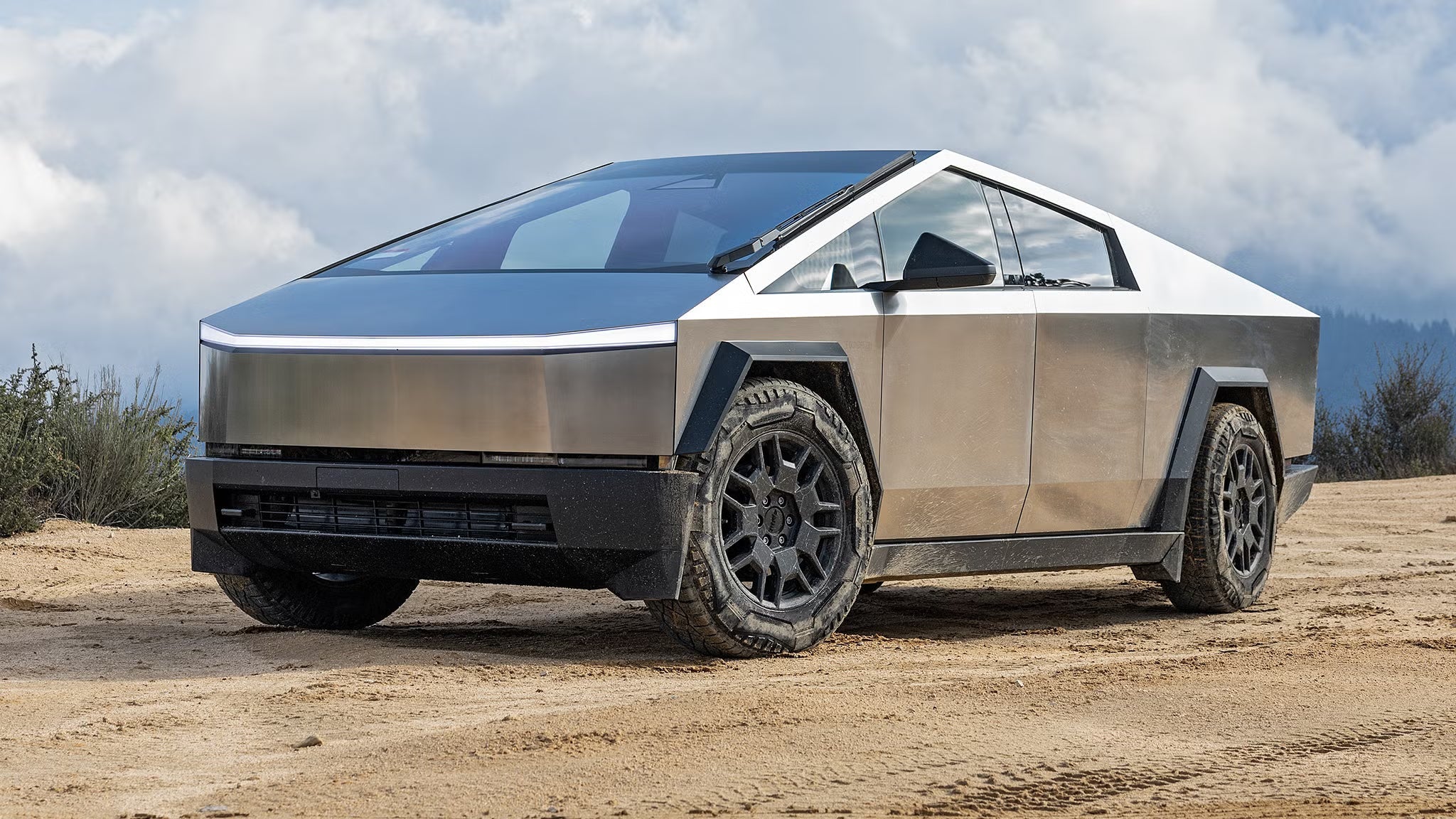
Tesla Cybertruck Slowdown Triggers Major Losses for a Key Battery Supplier

Tesla Cybertruck Slowdown Triggers Major Losses for a Key Battery Supplier

A South Korean battery supplier lost nearly $2 billion after Tesla sharply reduced a Cybertruck-related contract. The collapse highlights risks tied to the 4680 battery program, shifting EV demand, and reliance on Tesla’s production plans.

Read more

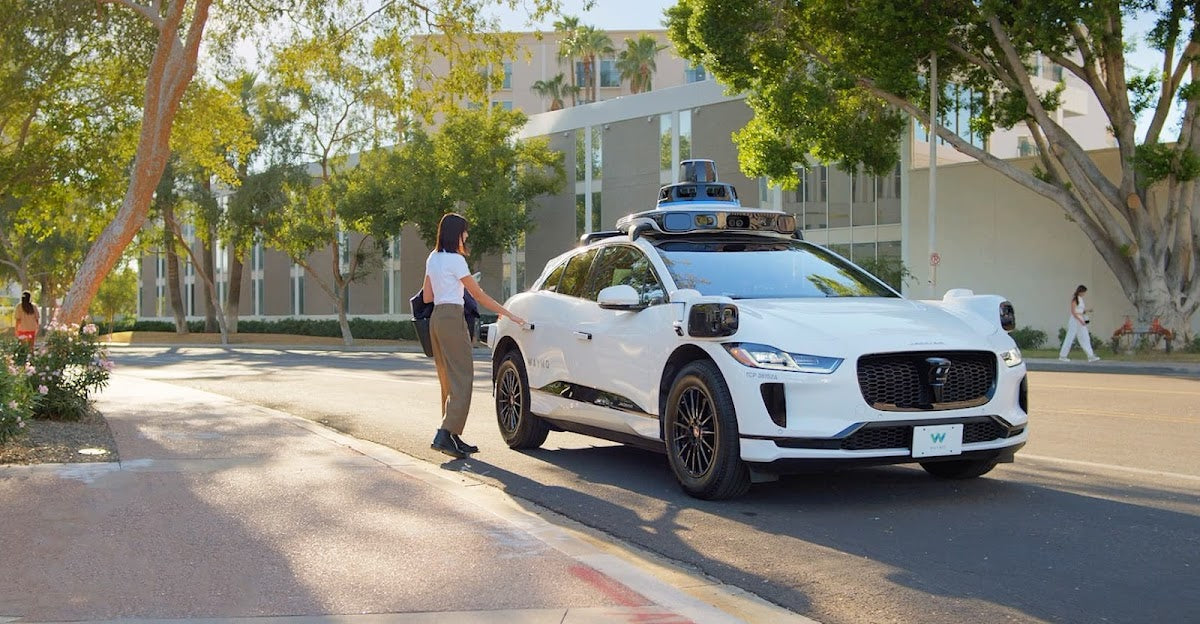
Waymo’s Robotaxi Vision Still Needs Humans to Handle Simple Tasks

Waymo’s Robotaxi Vision Still Needs Humans to Handle Simple Tasks

Waymo has removed drivers from its robotaxis, but simple issues like doors left open still require human help. The company pays gig workers to intervene, highlighting the limits of current vehicle design and passenger behavior.

Read more