





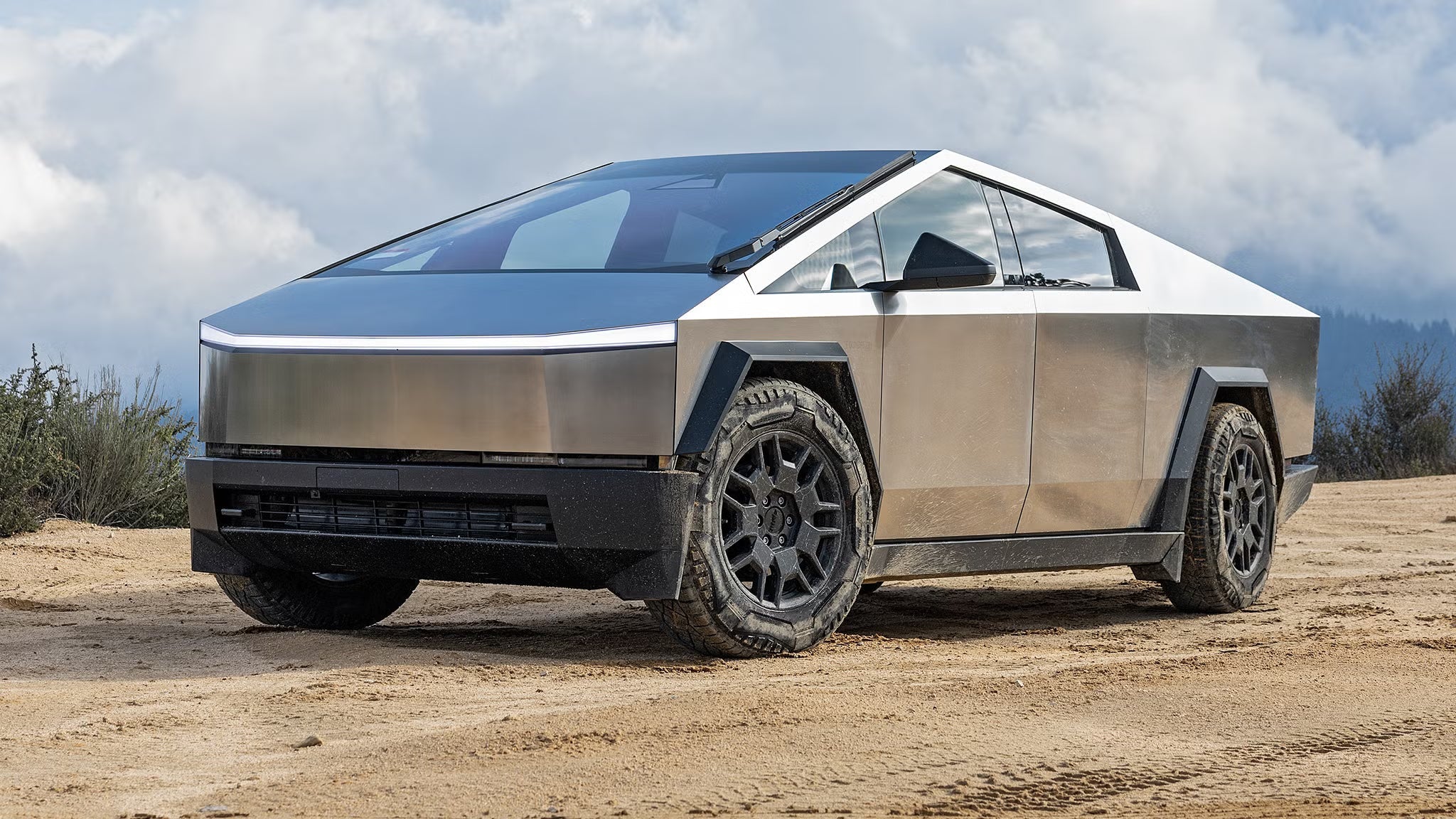
Tesla’s Cybertruck was meant to be a bold statement about the future of electric pickups. With its unconventional design and ambitious production targets, the vehicle was positioned as a technological and commercial breakthrough. While the Cybertruck has not disappeared from Tesla’s lineup, its slower-than-expected ramp has had serious financial consequences beyond Tesla itself, particularly for suppliers that bet heavily on its success.
One of the most striking examples is unfolding in South Korea, where a battery materials company has seen a multibillion-dollar supply agreement effectively evaporate.

Supplier Exposure in Tesla’s Ecosystem
Despite Tesla’s reputation for vertical integration, the company still relies on external partners for critical components and materials. Battery supply chains are especially complex, involving specialized cathode materials, long-term contracts, and heavy upfront investment.
South Korean firm L&F Co., a supplier of advanced battery cathode materials, entered into what appeared to be a transformative agreement with Tesla. The contract, awarded months before the first Cybertruck deliveries, was initially valued at approximately $2.9 billion and was widely seen as a vote of confidence in both the Cybertruck and Tesla’s next-generation battery strategy.
That confidence has since faded.
A Contract Reduced to a Fraction of Its Original Value
According to disclosures cited by Bloomberg, L&F revealed that the Tesla supply contract has been cut by nearly 99%, leaving the company with revenue equivalent to roughly $6,800 by the time the agreement expires at the end of December.
The dramatic reduction represents an estimated $2 billion financial hit, making it one of the most severe supplier setbacks linked to Tesla’s recent product challenges. The cathode materials provided by L&F were designed for Tesla’s much-discussed 4680 battery cells, which were expected to underpin vehicles like the Cybertruck.
For L&F, the contract revision was not a minor adjustment but a fundamental reversal of growth expectations.
The 4680 Battery Program Falls Short of Expectations
Tesla’s 4680 battery cells were introduced as a breakthrough in both performance and manufacturing efficiency. However, the program has struggled to scale as planned, facing technical hurdles, yield issues, and increased competition from established global battery manufacturers.
At the same time, Cybertruck production volumes have not reached the levels originally anticipated. Lower output reduces demand for internally produced cells and, by extension, the specialized materials supplied by partners like L&F.
Together, these factors significantly weakened the commercial rationale behind the original supply agreement.
Policy Shifts and Global Trade Pressures Add to the Strain
Cybertruck demand alone does not fully explain the contract collapse. L&F acknowledged that broader policy and market forces also played a role. Changes to global EV incentives, including adjustments related to the U.S. Inflation Reduction Act, have reshaped battery sourcing strategies and disrupted long-term planning.
In a statement, L&F said the contract revision reflected shifting global EV demand and evolving battery supply conditions, rather than any change in the quality of its products. The company emphasized that shipments of its flagship high-nickel cathode materials to major Korean battery manufacturers remain stable.
Investors Absorb the Fallout
While Tesla can absorb the Cybertruck’s uneven performance with limited financial impact, L&F’s investors have borne the brunt of the consequences. Following the disclosure, the company’s stock fell more than 11% in a single week and is now down roughly 64% compared to levels seen when the Tesla contract was first announced.
The reversal underscores the risks faced by suppliers that align too closely with a single automaker’s roadmap, particularly when that roadmap depends on unproven technologies and volatile policy environments.

A Cautionary Lesson for the EV Supply Chain
For Tesla, the Cybertruck remains a niche product that continues to generate attention and incremental sales. For suppliers, however, this episode serves as a clear warning. Building a business around Tesla’s future plans can deliver outsized rewards—but those rewards are highly conditional.
If demand shifts, technology timelines slip, or policy conditions change, contracts that once looked transformational can be rewritten almost overnight.
Recommend Reading: Tesla U.S. Sales Expected to Decline in 2025 After EV Tax Credit Ends


Share:
Waymo’s Robotaxi Vision Still Needs Humans to Handle Simple Tasks
Analysts Predict Tesla Sales Surge by 2029