



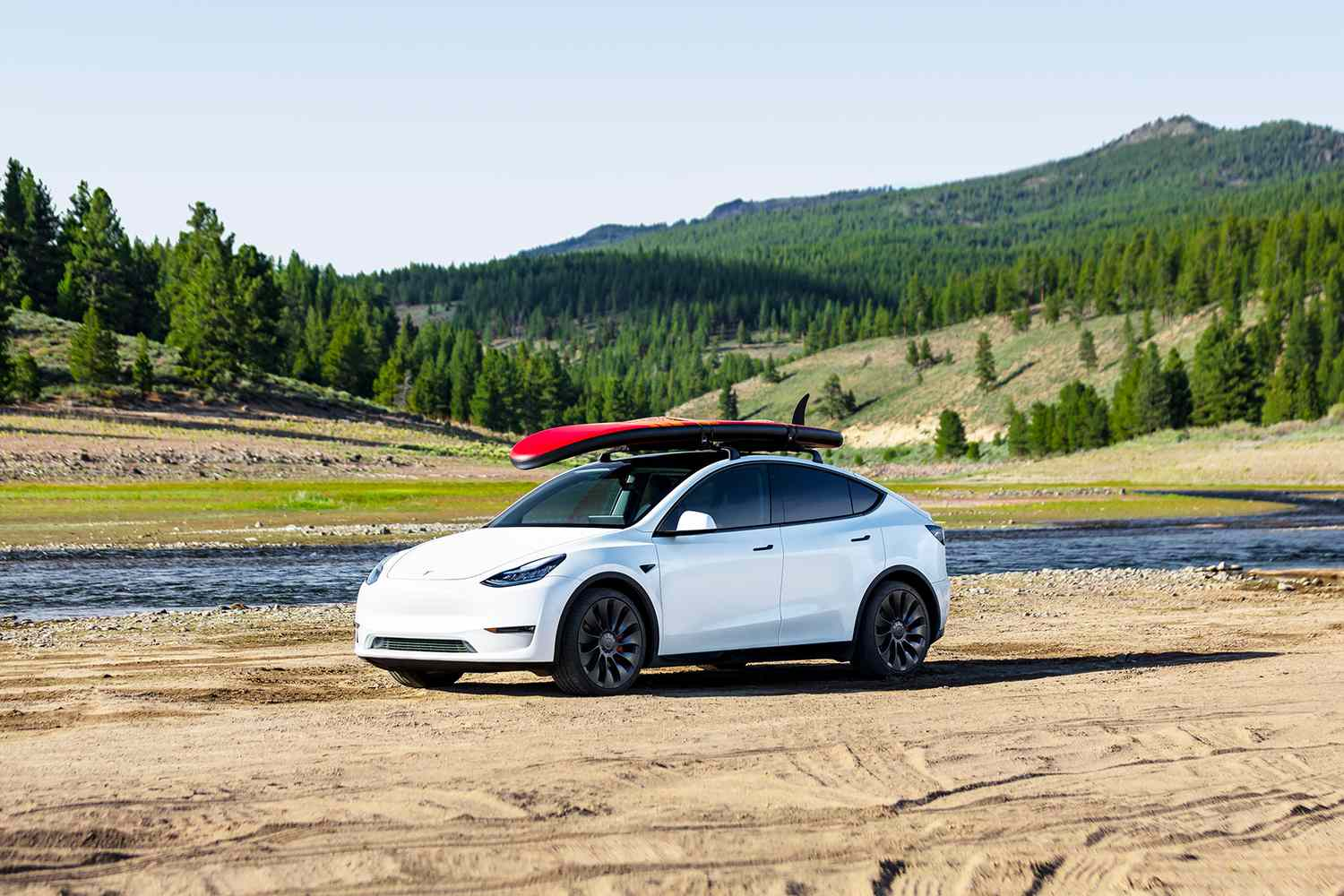
Electric vehicle (EV) road trips are an exciting way to explore new destinations while embracing sustainable travel. However, concerns like range anxiety, charging infrastructure, and route planning can make EV road trips seem daunting. With the right preparation, tools, and mindset, you can enjoy a smooth and stress-free journey. This guide covers practical strategies for planning an EV road trip, addressing mileage concerns, optimizing route planning, and leveraging apps to enhance your experience.
Understanding Your EV’s Range and Mileage
The first step in planning an EV road trip is understanding your vehicle’s range. Most modern EVs offer ranges between 200 and 400 miles, but factors like weather, terrain, driving habits, and cargo load can impact efficiency. Cold weather, for instance, can reduce range by up to 20-30%, while aggressive driving or hilly routes may further decrease mileage.
To mitigate range anxiety, research your EV’s real-world range under various conditions. Websites like the EPA or user forums provide valuable data. Additionally, consider investing in a portable charger for emergencies. A portable charger compatible with a NEMA 14-50 outlet can provide a quick top-up at RV parks or campgrounds, offering peace of mind when charging stations are sparse.

Strategic Route Planning
Effective route planning is critical for a successful EV road trip. Unlike gas-powered vehicles, EVs require careful consideration of charging station locations. Start by mapping your route using tools like PlugShare, or A Better Routeplanner (ABR). These apps allow you to input your EV model, driving style, and preferences to generate optimized routes with charging stops.
When planning, prioritize routes with reliable charging infrastructure. Look for DC fast chargers, which can recharge your battery to 80% in 20-40 minutes, and ensure compatibility with your vehicle’s charging port. For longer trips, plan stops at locations with amenities like restaurants or rest areas to make charging breaks enjoyable.
Pro Tip: Always have a backup plan. Identify alternative charging stations along your route in case your primary stop is occupied or out of service. An EVDANCE portable charger with can serve as a fallback if you encounter unexpected delays.
Leveraging Apps for a Smoother Journey
Technology is your best ally on an EV road trip. Several apps can streamline your experience by providing real-time information on charging stations, availability, and compatibility. Here are some must-have apps:
- PlugShare: Offers a comprehensive map of charging stations, user reviews, and check-in features to confirm station functionality.
- ChargePoint and Electrify America: Provide access to their respective networks, allowing you to locate chargers, check availability, and initiate charging sessions.
- A Better Routeplanner (ABRP): Tailors routes based on your EV’s specifications, weather, and traffic conditions, ensuring efficient travel.
Before your trip, download these apps and familiarize yourself with their features. Create accounts to streamline payments and ensure seamless access to charging networks. Additionally, check for app updates to avoid glitches on the road.

Packing for an EV Road Trip
Proper packing can enhance your road trip experience. In addition to standard travel essentials, include EV-specific items like a portable charger and adapters (e.g., NEMA adapters, NACS to CCS adapter, J1772 to NACS adapter) to maximize charging flexibility. A charging cable organizer keeps your trunk tidy, while a tire repair kit and portable air compressor prepare you for unexpected road issues.
Pack snacks, water, and entertainment for charging stops, as some locations may lack nearby amenities. If traveling in remote areas, bring a paper map or offline GPS app as a backup for areas with poor cell service.

Tips for Efficient Charging
Maximizing charging efficiency can save time and reduce stress. Follow these tips:
- Charge to 80%: Most EVs charge fastest up to 80% capacity. Avoid charging to 100% unless necessary, as it takes longer and may strain the battery.
- Time Your Stops: Charge during off-peak hours (e.g., early morning or late evening) to avoid crowds and reduce wait times.
- Monitor Battery Health: Use your EV’s onboard system or apps to track battery temperature and performance, especially in extreme weather.
- Use Fast Chargers Strategically: Reserve DC fast chargers for quick top-ups and rely on Level 2 chargers or a portable charger with a NEMA outlet for overnight stops.
Managing Range Anxiety
Range anxiety is a common concern, but preparation can minimize it. Always maintain a buffer of at least 10-20% battery charge to account for unexpected detours or delays. Communicate with fellow travelers about charging plans to set realistic expectations. Joining EV communities on platforms like Reddit or X can provide real-time tips and support from experienced drivers.
If range anxiety persists, consider shorter practice trips to build confidence. Test your portable charger and adapters at home to ensure they work seamlessly with your vehicle.

Final Thoughts
An EV road trip can be a rewarding adventure with the right preparation. By understanding your vehicle’s range, planning routes strategically, leveraging apps, and packing essentials like a portable charger and adapters, you can travel confidently and sustainably. Embrace the journey, enjoy the scenery, and take pride in reducing your carbon footprint.
With these strategies, your EV road trip will be both enjoyable and efficient, paving the way for unforgettable memories on the open road.
Recommend Reading: How to Plan an EV Road Trip Without Range Anxiety


Share:
The Challenges Behind EV Battery Recycling
Comparing EV Charging Stations: Tesla Supercharger vs Electrify America, ChargePoint & More