





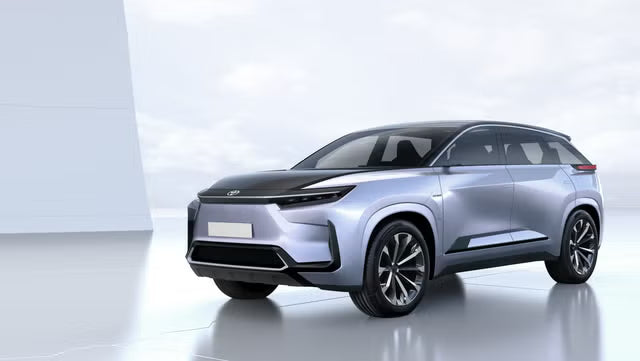
Most modern electric vehicles retain about 95% of their original driving range after five years, meaning real-world degradation is minimal for most owners. Large-scale driving data now confirms that range loss is far smaller than many buyers fear.

Real-World Data Shows Minimal Range Decline
New analysis based on over one billion miles of driving data indicates that battery performance in today’s EVs remains highly stable over time. According to research from Recurrent, the average electric vehicle keeps 97% of its original range after three years and about 95% after five years.
In practical terms, a vehicle initially rated for 300 miles would still deliver approximately 291 miles after three years and around 285 miles after five years. This level of consistency challenges long-standing concerns about rapid battery degradation.
The findings suggest that for most drivers, the difference in daily usability over several years is barely noticeable.
Why Range Retention Matters for Buyers
Concerns about declining battery performance have historically been a major barrier to EV adoption. Many potential buyers worry that a vehicle purchased today could become significantly less useful within a few years.
However, stable range retention changes that equation. If an EV maintains most of its capability over time, it becomes a more predictable long-term investment. This has several implications:
- Higher resale values, since used EVs remain practical
- Lower ownership risk, especially for second-hand buyers
- Improved confidence compared to traditional perceptions of battery wear
As more vehicles now offer 300 miles or more of EPA-rated range, even modest degradation leaves ample usable distance for everyday driving.
How Range Is Measured in Real Conditions
The report introduces a concept called “Expected Range,” which differs from official EPA ratings. Instead of relying solely on laboratory testing, this metric reflects real-world usage by factoring in variables such as weather, driving habits, and battery aging.
Using this approach, the data shows that 68% of 2023 model-year EVs currently exceed their original EPA estimates under typical conditions. This suggests that many vehicles perform better in practice than their standardized ratings might imply.
Looking ahead, projections indicate that a 2026 EV rated at 325 miles could still achieve roughly 301 miles by 2031, reinforcing the idea that long-term degradation is gradual rather than dramatic.
Automakers’ Strategies to Limit Degradation
Several engineering and software strategies are helping manufacturers maintain battery performance over time.
One key method is the use of hidden battery reserves, often referred to as buffers. These reserves are not fully accessible when the vehicle is new. As the battery ages, the system can gradually unlock this capacity to offset natural degradation.
In addition, automakers continuously refine performance through over-the-air software updates, adjusting energy management systems to maintain efficiency and usable range.
Thermal management also plays a crucial role. Modern EVs are equipped with advanced cooling and heating systems that keep battery cells within optimal temperature ranges, reducing long-term wear.
Advances in Battery and Vehicle Design
Beyond software, improvements in hardware are equally important. Newer battery packs benefit from higher energy density, allowing vehicles to travel further without increasing size or weight significantly.
Design innovations such as cell-to-pack architecture reduce structural mass, freeing up more space for energy storage. At the same time, aerodynamic refinements and drivetrain efficiency gains contribute to better overall range performance.
These combined advancements mean that automakers can deliver longer range and improved durability without relying solely on larger battery packs.
Which Brands Show Strong Performance
The data highlights several manufacturers whose vehicles demonstrate particularly stable range retention over time. Brands including Cadillac, Ford, Hyundai, Mercedes-Benz, and Rivian show little measurable decline after five years of use.
This consistency reflects both engineering improvements and ongoing software optimization across multiple platforms.
Range Anxiety Is Becoming Less Relevant
The broader trend points to a gradual shift in consumer perception. With more vehicles offering extended range and improved durability, the fear of losing significant driving capability over time is fading.
Additionally, the number of long-range EVs available in the U.S. continues to grow rapidly. Industry projections suggest that over 60 models with at least 300 miles of range will be on the market by the end of the year, up from 43 the previous year.
Combined with ongoing expansion of charging infrastructure, these developments reduce the importance of range anxiety as a deciding factor.

FAQ
How much range do EVs lose after five years?
Most modern EVs retain about 95% of their original range after five years, meaning only a small reduction in daily driving capability.
Why don’t EV batteries degrade as quickly as expected?
Manufacturers use battery buffers, software updates, and thermal management systems to slow degradation and maintain usable capacity over time.
What is “Expected Range” in EV data?
It is a real-world estimate that accounts for driving conditions, climate, and battery aging, rather than relying solely on standardized lab tests.
Do newer EVs have better battery durability?
Yes, improvements in energy density, cooling systems, and design efficiency have significantly increased long-term battery performance in recent models.
Is range anxiety still a major issue?
It is becoming less significant as more EVs offer 300+ miles of range and charging infrastructure continues to expand.
Recommend Reading: How to Preserve Your EV Battery Life Over Time










Share:
US EV Charging Growth Continues Despite Slower Vehicle Sales
Audi Q4 e-tron Update: More Range, Faster Charging, New Tech