





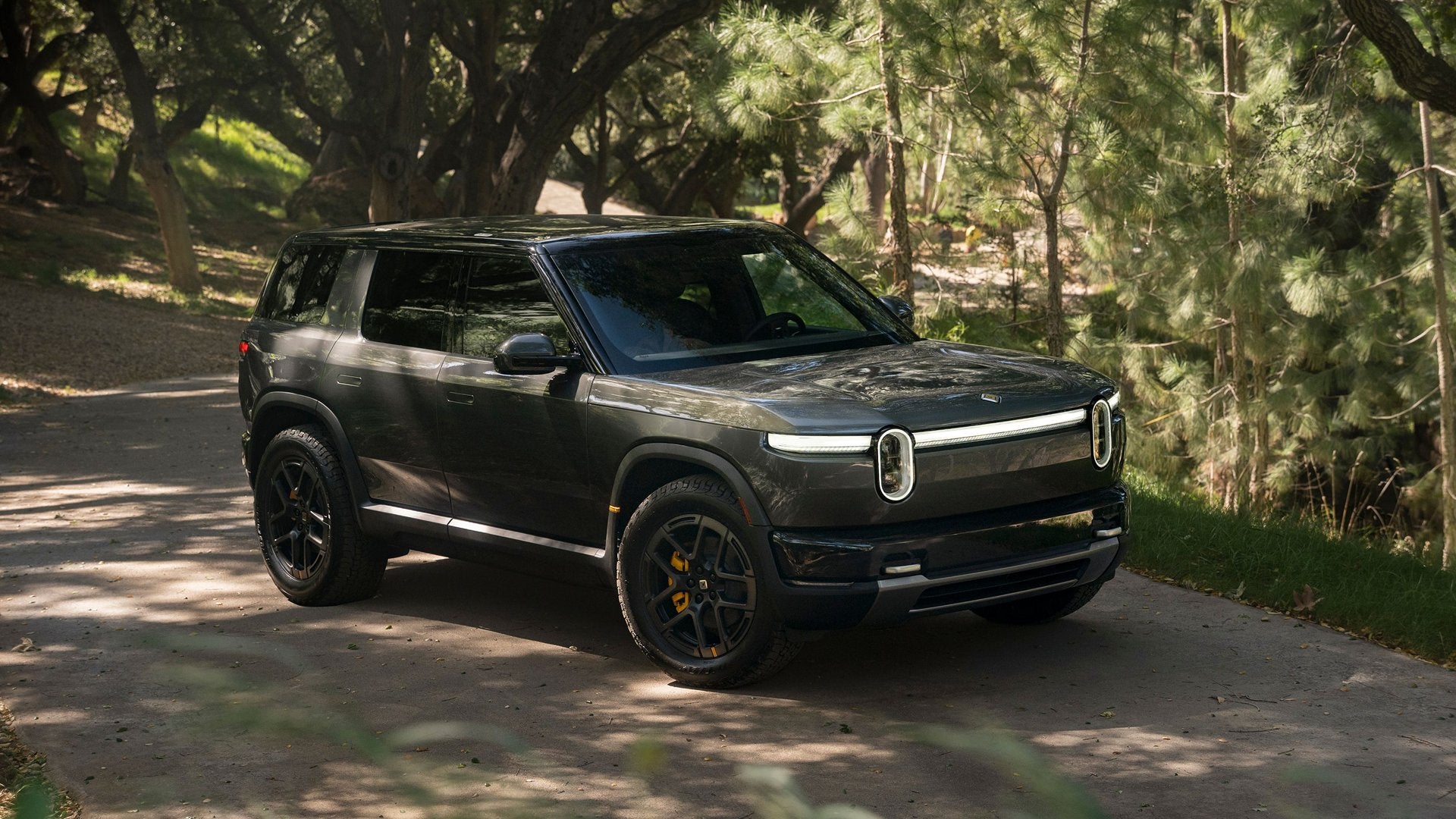
Policy Shift Opens Direct Sales Access
Washington State has taken a notable step toward changing how vehicles are purchased by approving new legislation that allows more electric vehicle manufacturers to sell directly to consumers. The measure, known as Senate Bill 6354, has been passed by lawmakers and is now awaiting final approval from Governor Bob Ferguson.
This policy adjustment builds on an earlier exception that had long benefited one automaker, effectively extending similar privileges to additional EV companies. For years, certain brands were restricted from conducting in-person sales discussions or offering test drives within the state, forcing customers to either complete transactions online or travel elsewhere. The updated rules aim to remove these barriers and simplify the buying process.

Breaking Away From Traditional Dealership Models
The U.S. auto market has historically relied on franchised dealerships, where independently owned businesses handle vehicle sales. While this structure was originally designed to protect dealers, it has also led to a purchasing experience that many consumers find complex, often involving add-ons and non-transparent pricing.
Newer electric vehicle companies have attempted to bypass this system entirely by adopting direct-to-consumer sales models. However, state-level regulations have limited their ability to do so. Washington’s latest move signals a shift toward accommodating these newer approaches, aligning the legal framework more closely with evolving consumer expectations.
Industry Pushback Highlights Ongoing Tensions
The legislative change did not come without opposition. Representatives from established automakers, including Honda, Ford, and General Motors, voiced concerns during the review process. Critics argued that allowing select EV manufacturers to sell directly could create an uneven competitive landscape.
One lobbyist described the proposal as introducing dual standards within the same industry, suggesting that traditional automakers would remain bound by dealership requirements while newer entrants gain additional flexibility. This disagreement reflects a broader, ongoing conflict between legacy business models and emerging sales strategies in the automotive sector.
A Patchwork of Regulations Across the U.S.
Despite Washington’s move, direct vehicle sales remain restricted or prohibited in several states. Currently, 14 states maintain strict bans on manufacturer-to-consumer transactions, including Texas, South Carolina, and Wisconsin, among others.
At the same time, other regions have begun to loosen their rules, creating a fragmented national landscape. This inconsistency means that the ease of purchasing an electric vehicle can vary significantly depending on location. Washington’s decision adds momentum to a gradual shift, but it does not resolve the broader regulatory divide across the country.
Timing Aligns With Upcoming Product Launches
The policy change arrives at a critical moment for certain EV manufacturers. In particular, it coincides with the upcoming release of the Rivian R2, a more affordable model expected to play a central role in the company’s growth strategy.
By enabling direct sales within Washington, the new legislation reduces friction for potential buyers just as demand for electric vehicles continues to expand in the region. The state has already established itself as a strong EV market, making easier access to new models especially relevant.

Implications for Consumers and the Market
For consumers, the immediate benefit is a more streamlined purchasing experience. Buyers can expect greater transparency in pricing and fewer procedural hurdles compared to traditional dealership transactions. The ability to interact directly with manufacturers may also improve access to accurate product information.
From a broader perspective, the change reflects a shift in how the automotive industry is adapting to digital retail trends and the rise of electric mobility. While legacy systems remain in place in many areas, incremental policy updates like this suggest a gradual transformation in how vehicles are bought and sold in the United States.
Ultimately, whether similar reforms will spread to other states remains uncertain. However, Washington’s decision highlights growing pressure to modernize automotive retail regulations in response to changing technologies and consumer preferences.
Recommend Reading: Rivian R2 Global Launch: How a Unified 5G System Cuts Costs


Share:
Rivian R2 Global Launch: How a Unified 5G System Cuts Costs
Uber to Deploy Rivian R2 Robotaxis in Major Cities by 2028