



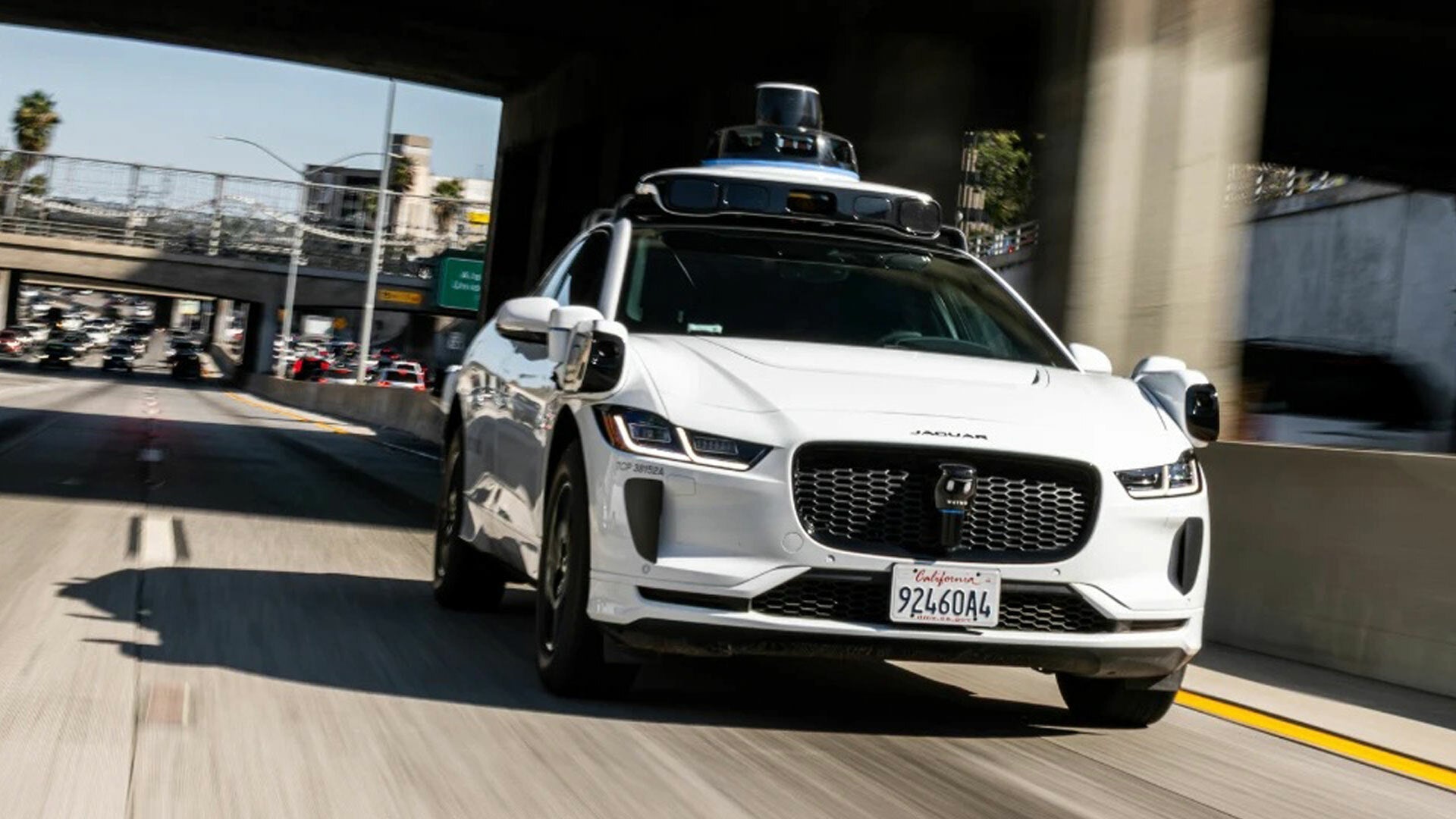
Waymo Takes Driverless Cars to the Freeway
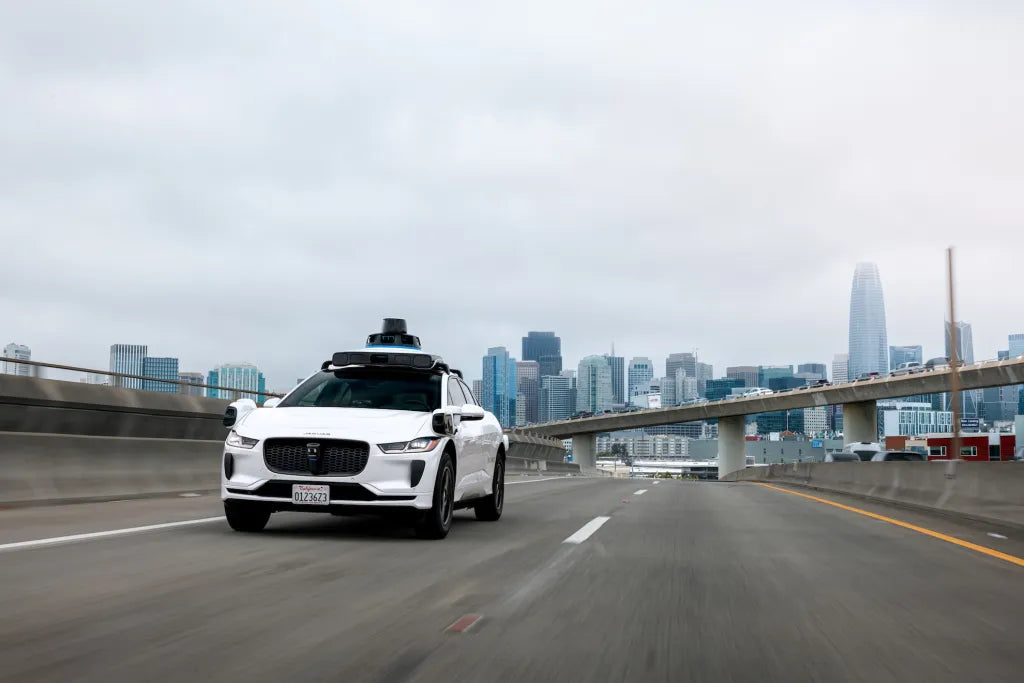
Waymo is entering a new stage in autonomous driving. The company announced that its self-driving robotaxis will now operate on freeways in San Francisco, Los Angeles, and Phoenix, allowing passengers to experience autonomous highway driving for the first time.
This milestone means Waymo’s vehicles can now merge, cruise, and exit at highway speeds, marking a significant step beyond city-only routes. Initially, the feature will be available on limited trips, but the company plans to expand access to more riders over time.

Safety and Coordination Come First
Highway driving presents unique challenges, from fast-moving traffic to unpredictable drivers, making it one of the most complex environments for autonomous systems. Waymo says it has spent years developing and testing the Waymo Driver to handle those conditions safely.
The company has been working closely with the Arizona Department of Public Safety and the California Highway Patrol to ensure its systems and procedures meet high safety standards. Internal protocols have also been updated to reflect the expanded operational design domain, and new charging infrastructure is being installed to support its growing electric fleet.
Waymo’s co-CEO Dmitri Dolgov called the achievement a “profound engineering feat,” noting that merging and cruising at high speeds require extraordinary precision and reliability. “This milestone,” he said, “is a powerful testament to the maturity of our operations and technology.”
A Major Step Forward for Autonomy
Until now, most of Waymo’s public service routes were confined to urban streets where speed limits are lower and conditions are more controlled. Moving to the freeway represents a new level of trust in the company’s AI-driven safety systems.
The vehicles will operate at posted speed limits — up to 65 MPH in some areas — and may exceed that limit briefly in extraordinary circumstances to maintain safety, according to the company.
For passengers, the change means shorter travel times and more realistic end-to-end trips, bridging the gap between city centers and surrounding suburbs.
Competition Heats Up With Tesla’s Robotaxi
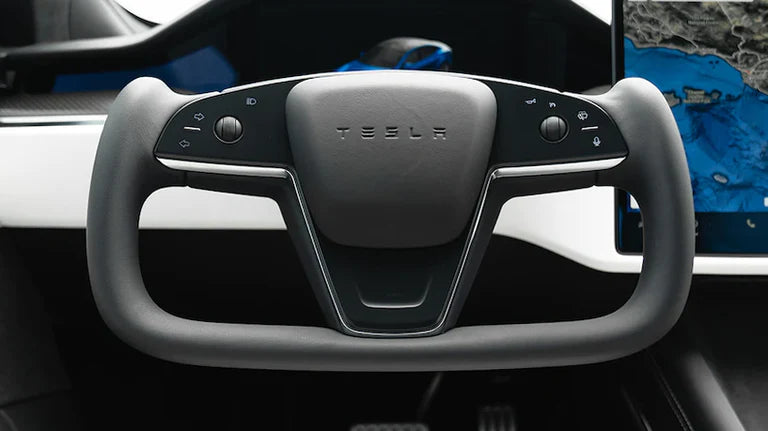
Waymo’s expansion comes as Tesla’s Robotaxi service continues to grow in key markets such as Austin. Industry analysts suggest that Waymo’s decision to hit the highway could be both a natural evolution of its technology and a strategic response to mounting competition in the driverless mobility space.
While Waymo has been cautious about public comparisons, its accelerated rollout across California and Arizona — including new service to San Jose and Mineta International Airport — signals that the Alphabet-owned company is aiming to broaden its market presence.

Challenges Still Ahead
Even as Waymo celebrates this breakthrough, key questions remain. Can the company maintain profitability as operations expand? Will riders continue to trust fully driverless systems on freeways? And how will it compete as autonomous driving becomes a crowded field?
Despite these uncertainties, Waymo’s step onto the freeway represents one of the most advanced milestones yet for consumer-facing autonomous technology.
After years of testing on quiet city streets, Waymo’s cars are now ready for real highway conditions — merging with fast traffic, handling lane changes, and managing long-distance routes without human input.
The age of everyday autonomous travel just moved one lane closer.
Recommend Reading: Tesla Claims Autopilot Keeps Improving — But the Data Shows More Crashes
Share:
Americans Still Want Electric Cars Even After Federal Tax Credit Ends
Rivian and Volkswagen Plan to Share EV Software With Other Carmakers