



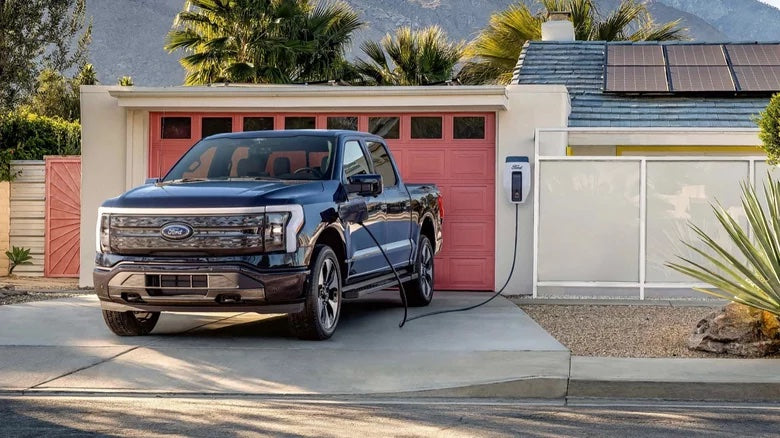
Taking on an Unusual Charging Experiment
In mid-2024, I decided to test whether an electric vehicle could fit into a lifestyle without dedicated home charging. I leased a Chevrolet Blazer EV despite lacking a driveway, exterior outlet or assigned parking space. Nearly two years and 11,000 miles later, the experience has clarified one thing: managing solely with Level 1 charging is feasible, but deeply frustrating.
The setting matters. I rent a small house in San Diego, where street parking is generally available but never guaranteed. The property has limited electrical capacity—just two 15-amp circuits serving the entire home. Installing a higher-capacity setup was not realistic.
I understood the limitations from the outset. Mild coastal weather and the Blazer EV’s 278-mile EPA-rated range suggested the arrangement might work. I work remotely, drive relatively short distances most days and have access to another gasoline vehicle when necessary. On paper, it looked manageable.
Reality proved more complicated.

Building a Workaround
To avoid depending entirely on public fast chargers, I asked my landlord for permission to add a new breaker and outlet. After paying $350 for electrical work, I had a functional plug. However, it was roughly 70 feet from where the car typically parked.
The factory charging cable measures about 25 feet, so I added a heavy-duty extension cord rated for higher amperage. Automakers generally discourage this practice, and for good reason: continuous loads generate heat, and outdoor use introduces wear risks. After consulting electricians, I chose a 10-gauge cord to minimize danger while drawing 12 amps.
Even with those precautions, the setup is cumbersome. The cable crosses a public sidewalk, requiring a protective cover to prevent trips. Each charging session involves hauling equipment from storage, laying it out, checking connections and troubleshooting warning lights that often appear before a stable connection is established.
What should be simple becomes a small production every time.
Output: Slow and Inflexible
If everything works, the car gains roughly 50 miles of range over 24 hours. That pace leaves little room for spontaneity. Preparing for a weekend trip may require plugging in days in advance. If the curbside space is taken, the process resets.
Unlike Level 2 charging, which can replenish significant range overnight, a standard household outlet delivers only a trickle. Limiting charging to discounted off-peak hours—midnight to early morning—barely adds meaningful distance. As a result, the car often remains tethered for extended stretches just to maintain a comfortable state of charge.
Planning replaces impulse.

The Cost Equation
Electricity prices in San Diego complicate the economics. While generation charges may be modest, delivery fees from San Diego Gas & Electric push total costs well above the national average. Even home charging ends up significantly more expensive than in many parts of the country.
When Level 1 cannot keep up, I turn to public DC fast charging. Local options include Electrify America and Tesla Superchargers. Rates hover around $0.65 to $0.72 per kilowatt-hour for non-members or non-Tesla vehicles.
With an 85-kWh battery, a full recharge costs roughly $55 to $61. At about 3 miles per kWh, that translates to approximately $0.22 to $0.24 per mile.
For comparison, a gasoline-powered SUV averaging 24 mpg at $4.64 per gallon would cost about $0.19 per mile. In this specific scenario, public charging erases the expected fuel savings of driving electric.
Lifestyle Trade-Offs
The largest drawback is not financial. It is psychological.
One of the primary attractions of EV ownership is convenience: plugging in at home and starting each day with ample range. Without that simplicity, daily driving becomes another logistical puzzle. Long outings require careful timing. Even short spontaneous trips can feel burdensome if battery levels are low.
I enjoy road trips and outdoor exploration. Yet knowing that every adventure may begin or end with extended charging sessions discourages those impulses. With only a few months remaining on the lease and nearly half the mileage allowance unused, the hesitation is measurable.
This does not diminish the strengths of the vehicle. The quiet ride, instant acceleration and lower local emissions remain appealing. For drivers with reliable Level 2 charging at home or work, the ownership experience can be seamless.
But relying primarily on a standard wall outlet—and supplementing with costly public charging—changes the equation entirely.

Broader Implications
This experience underscores a broader challenge. Many renters and urban residents lack access to dedicated charging infrastructure. While public networks continue to expand, they are not yet convenient or affordable enough to replace home charging on a daily basis.
Level 1 charging can sustain light, predictable usage. Beyond that, it demands time, planning and patience. For drivers seeking flexibility and lower operating costs, a hybrid—or waiting until reliable Level 2 access is available—may be the more practical choice.
Electric vehicles offer clear advantages. However, without dependable home charging, the promise of effortless ownership remains out of reach for a significant portion of drivers.
Recommend Reading: Federal EV Charging Program Regains Momentum After a Difficult Start


Aktie:
Which EV Charging Networks Do Drivers Trust Most?