

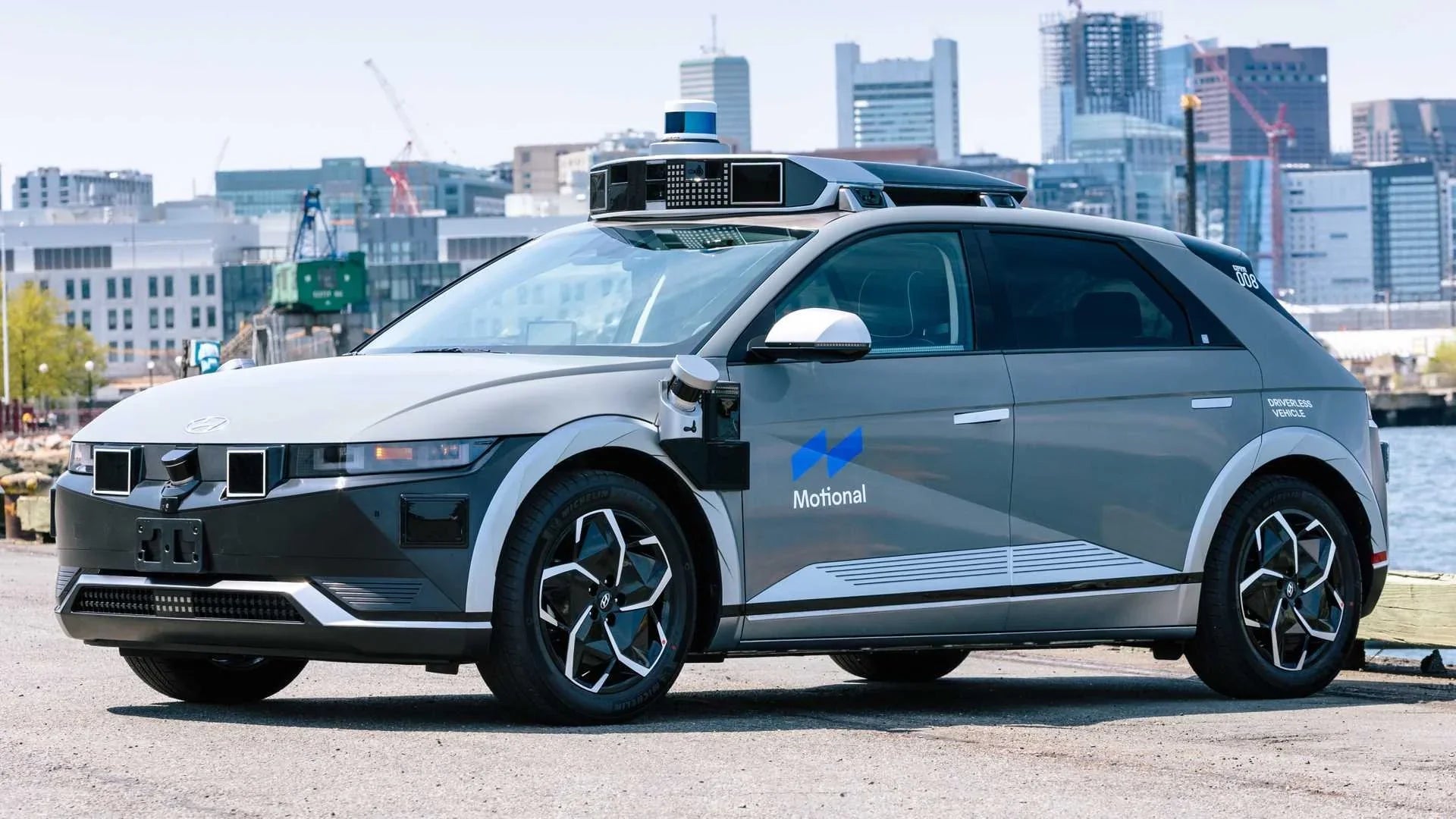
Hyundai is stepping up its autonomous driving ambitions, investing in in-house AI systems, robotics, and software platforms to compete with Tesla, GM, and Waymo as autonomy becomes central to future mobility.

Der Blog
- Alle
- Autonomous Vehicles
- Basic Introduction
- Battery Tech
- Buying Guide
- BYD
- Cadillac
- Charging
- China
- Elon Musk
- Ferrari
- Ford
- HOA
- Hyundai
- ICCU
- Industry Outlook
- Kia
- Mazda
- Model Comparisons
- Monthly EV Lease Deals
- Monthly EV Recommendation
- NEMA Plug
- Policies & Incentives
- Range
- Renault
- Repair & Maintenance
- RIVIAN
- Road Trip
- Sales
- Solar
- Subaru
- Tesla
- User Guide
- Volkswagen
- Volvo
- Xiaomi
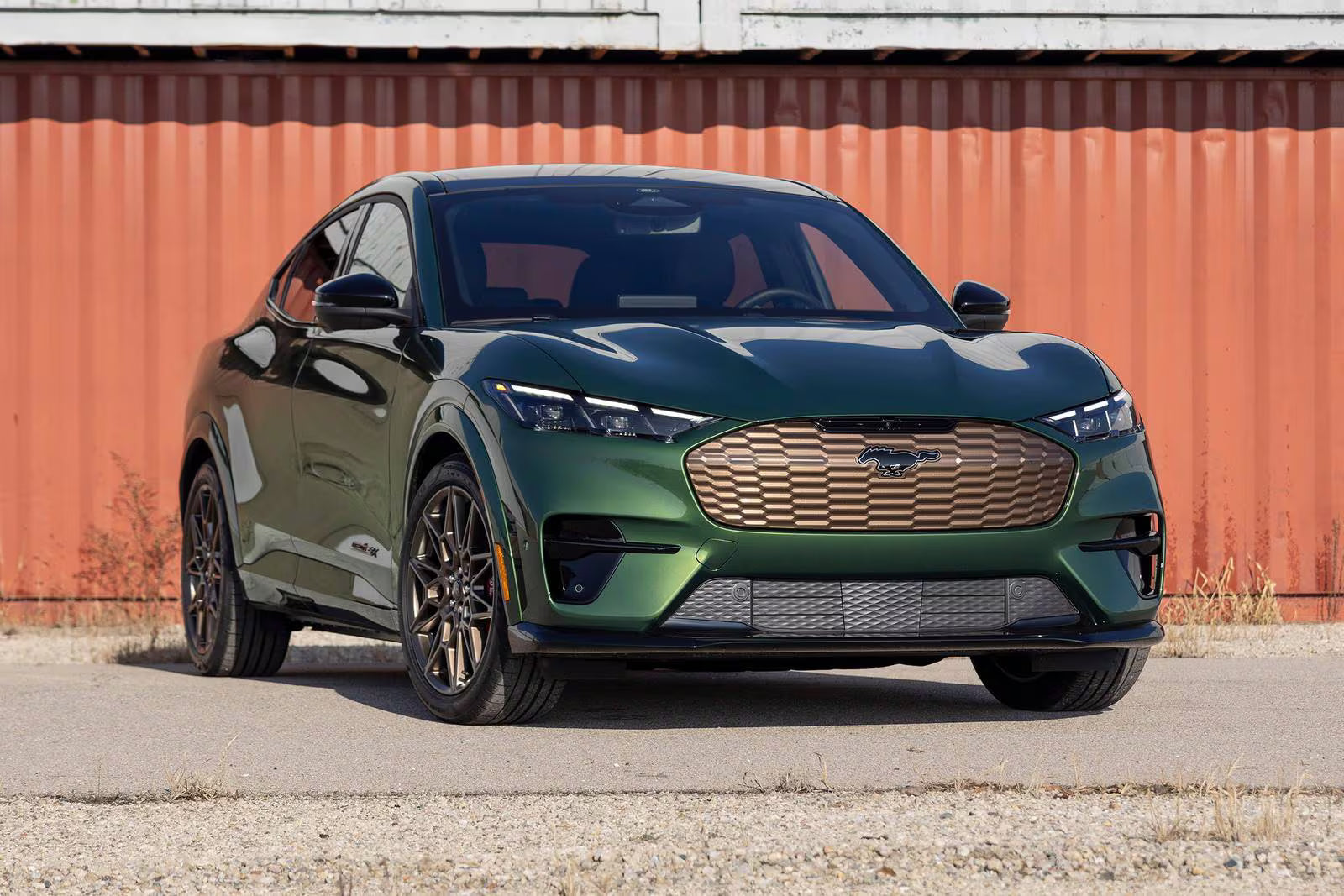
2025 Ford Mustang Mach-E Review: Is It Still a Contender in 2026?
The 2025 Ford Mustang Mach-E blends fun driving, tech features, and decent range. While base trims lack some comforts, it excels in hands-free driving, software updates, and charging access, remaining a strong EV choice.
Are Extended-Range EVs Becoming Obsolete?
Extended-range EVs are losing ground to pure electric vehicles. Rapid improvements in battery range, fast charging, and infrastructure make hybrids increasingly unnecessary in urban and suburban markets.
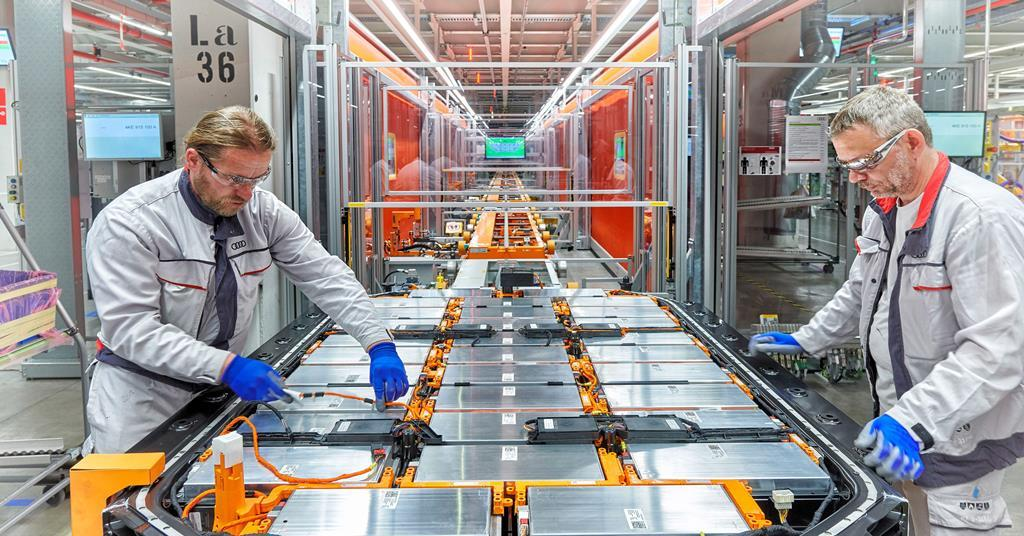
Understanding All Major EV Battery Types and Their Applications
This guide explains major EV battery types, including lead-acid, NiMH, NMC, LFP, LMFP, LMR, solid-state, and sodium-ion, highlighting trade-offs in cost, range, performance, safety, and long-term durability.
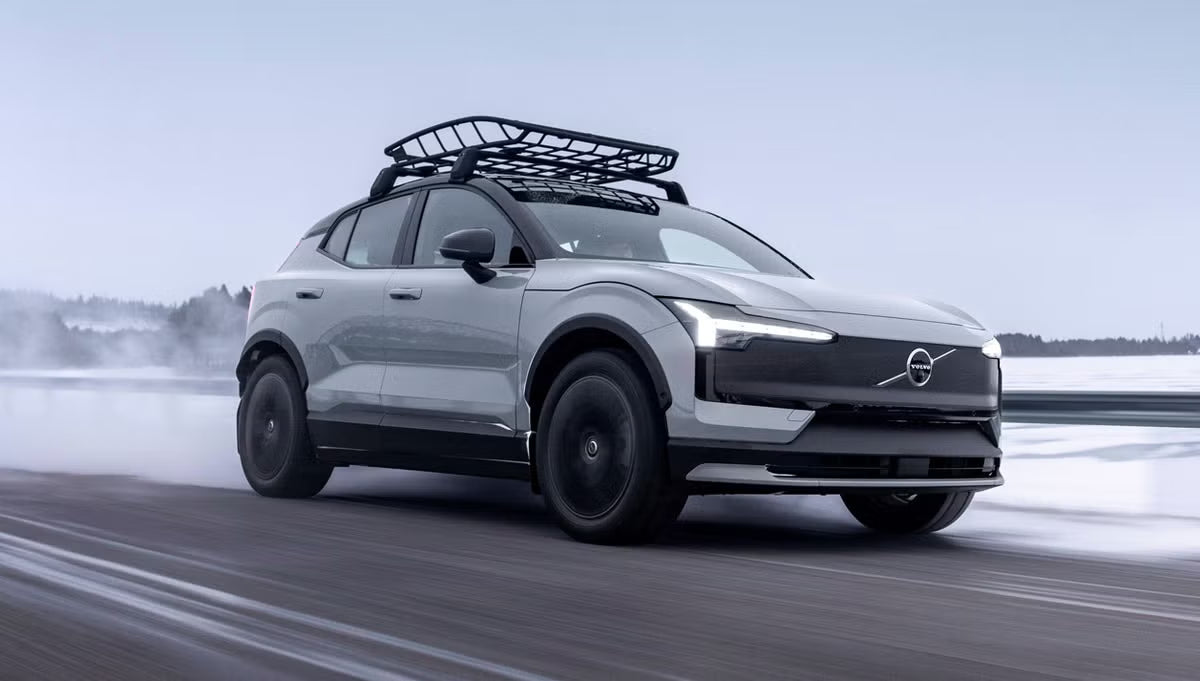
Volvo Revamps EX30 With Single-Motor and Cross Country Versions
Volvo updates the EX30 for 2026 with two new trims: the Single Motor Plus lowers entry price and extends range, while the Cross Country adds power, AWD, and off-road capability, broadening the EV’s U.S. appeal.
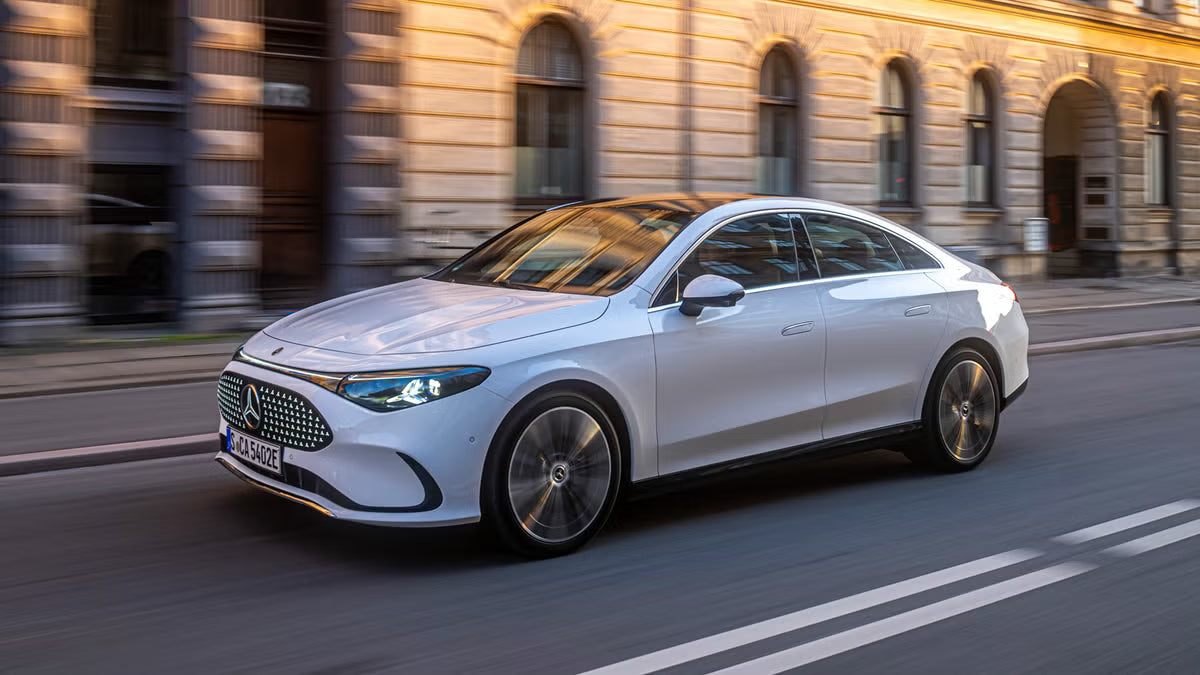
2026’s Most Anticipated Electric Vehicles
In 2026, a wave of new EVs—including Rivian R2, Slate Truck, BMW iX3, and Lucid SUV—promises to blend affordability, advanced technology, and strong performance for wider mainstream adoption.
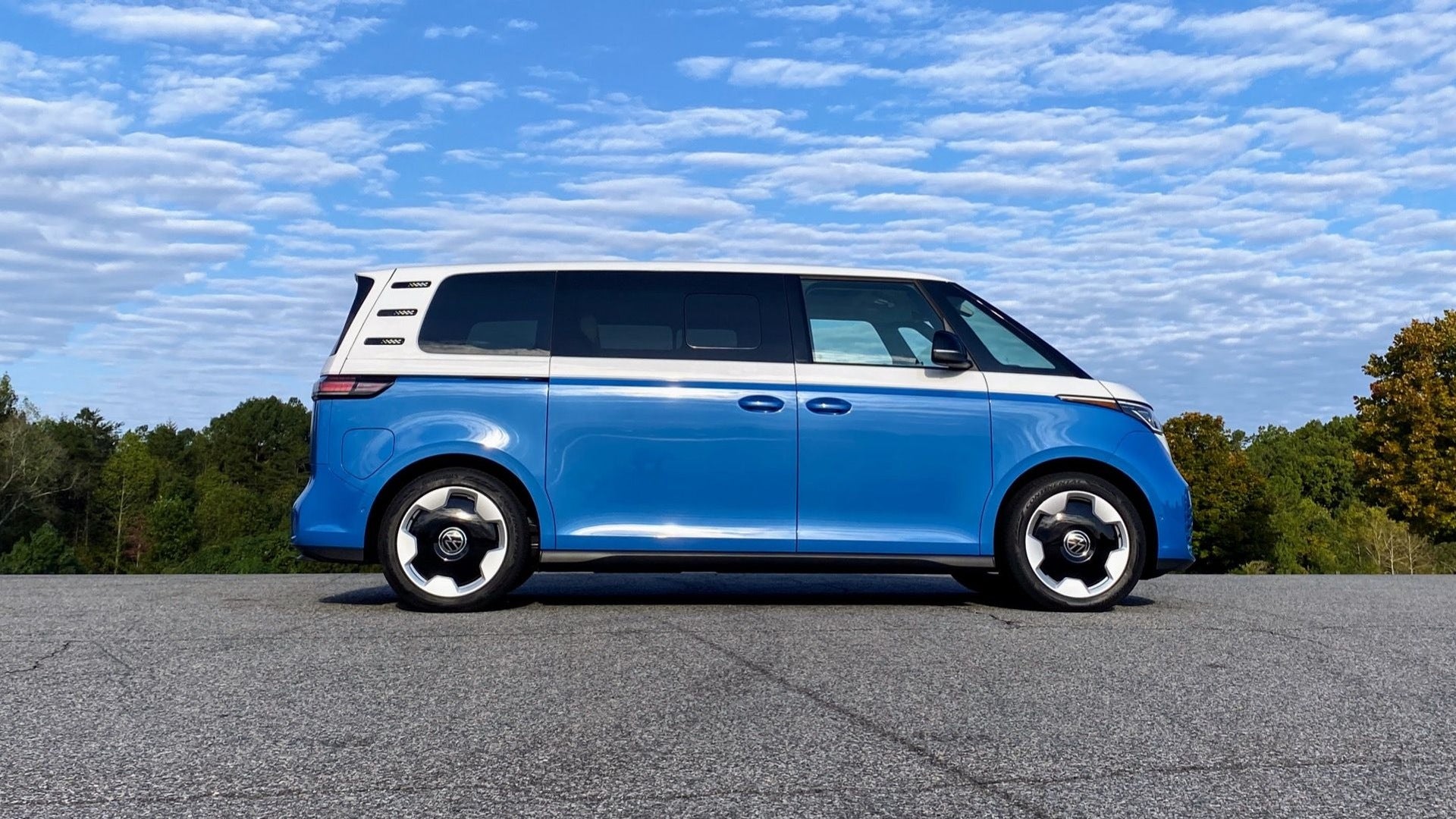
Why Some Electric Vehicle Models Are Being Canceled Now
As the EV market matures, some electric vehicles are being canceled due to pricing, range, and usability challenges. This correction may ultimately strengthen EV adoption by refocusing investment on better-designed, more competitive models.
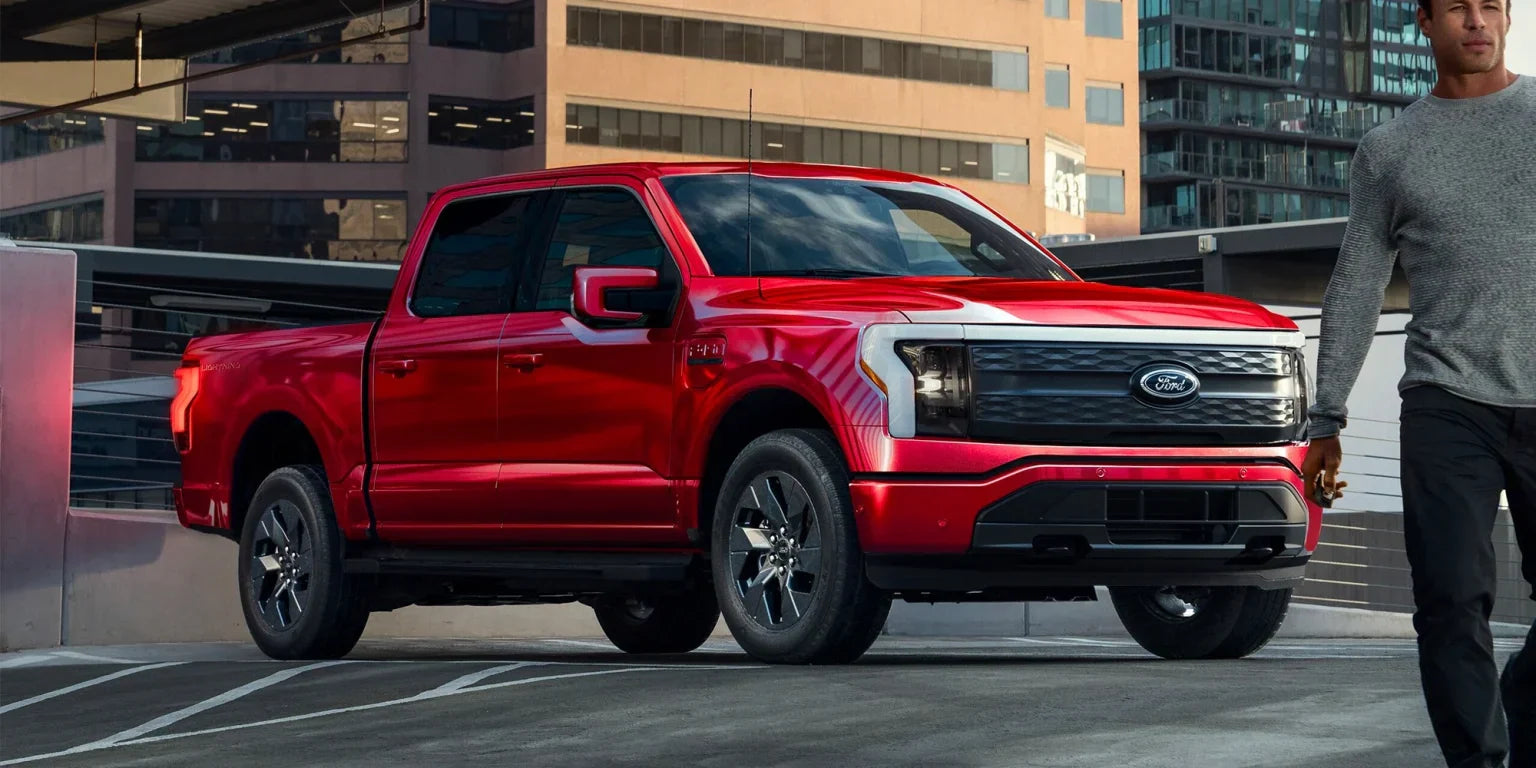
Ford’s EV Retreat Signals Opportunity for Chinese Automakers
Ford cancels its fully electric F-150 successor and commercial EV van, shifting focus to extended-range trucks. This pivot opens a larger gap for Chinese automakers to expand in U.S. and European markets.