





Introduction to EV Battery Chemistries
There’s no single solution for electric vehicle (EV) batteries. Automakers use a variety of chemistries, cell formats, and pack designs, balancing cost, range, safety, and performance—much like engines vary from small four-cylinders to turbocharged V8s. For anyone curious about EV technology, understanding these chemistries is essential.
This guide explores past, present, and emerging battery technologies that power today’s EVs and could shape the future.

Lead-Acid Batteries
Lead-acid batteries are the oldest rechargeable batteries still in use. They are inexpensive, reliable, and easy to recycle. Traditionally, the 12-volt battery in gasoline and early electric vehicles uses lead-acid technology.
However, they are heavy and have low energy density, making them unsuitable for modern EV propulsion. Today, they mostly handle auxiliary functions like cabin lighting, power windows, and infotainment systems. For instance, the first-generation GM EV1 used lead-acid before transitioning to nickel-metal hydride.
Nickel-Metal Hydride (NiMH)
NiMH batteries preceded modern lithium-ion packs and are widely used in hybrid vehicles. They are durable, operate well across different climates, but share lead-acid’s limitations in weight and energy density.
While still common in hybrids, especially from Toyota, NiMH is gradually being replaced by lithium-ion batteries for higher efficiency and longer range.
Lithium Manganese Oxide (LMO)
LMO batteries utilize a manganese-based cathode, which is cheaper and thermally stable compared with nickel-rich chemistries. They offer high power and fast charging but degrade faster and have lower energy density. Early EVs like the Nissan Leaf and Chevy Volt used LMO blends, though they are now largely replaced in long-range applications.
Nickel Manganese Cobalt (NMC)
NMC batteries, combining nickel, manganese, and cobalt, dominate outside of China. They are energy dense with established supply chains, making them common in long-range EVs from Hyundai, Kia, BMW, Volkswagen, and Toyota.
Drawbacks include high cost, reduced performance in cold temperatures, and thermal management needs. Despite this, NMC remains a core chemistry for many premium EVs.
Nickel Cobalt Aluminum (NCA)
NCA batteries replace manganese with aluminum, improving cathode stability and reducing degradation. Variants like NCMA are used in GM trucks and SUVs. Tesla models also rely on Panasonic’s NCA batteries.
While energy dense, NCA batteries require advanced cooling systems and remain expensive compared with other chemistries.

Lithium Iron Phosphate (LFP)
LFP batteries eliminate nickel, cobalt, and manganese in favor of iron phosphate, making them cheaper, safer, and longer-lasting. Energy density is lower, but cell-to-pack and prismatic solutions help overcome this.
LFP is widespread in China and is increasingly used in affordable EV models in the U.S. and Europe, offering a practical option for mass-market vehicles.

Lithium Manganese Iron Phosphate (LMFP)
LMFP is an enhanced LFP chemistry with manganese added for higher performance and range. Some LMFP cells, like those from Gotion, claim over 1,800 cycles and up to 621 miles of range.
CATL’s “M3P” battery is a related example, being developed with Tesla to combine phosphate, manganese, and other metals for improved performance.
Lithium Manganese Rich (LMR)
LMR is a Western approach to LMFP. By reducing nickel and cobalt content and increasing manganese, these batteries lower cost while maintaining range similar to NMC.
GM and Ford are targeting LMR cells for full-size trucks and SUVs by 2028, aiming for over 400 miles of range.
Silicon Anodes and Synthetic Graphite
Replacing traditional graphite anodes with silicon or synthetic graphite improves energy density without increasing volume. U.S. companies like Group14 Technologies and Sionic Energy are developing scalable silicon-anode solutions.
These anodes are already common in Chinese smartphones and could soon be widely adopted in EVs.

Lithium Metal Batteries
Lithium metal batteries use a thin lithium sheet as the anode, offering higher energy density and lighter weight. The main challenge is dendrite formation, which can damage the cell.
Start-ups like Factorial Energy and QuantumScape are actively developing lithium metal batteries for next-generation EVs.
Sodium-Ion Batteries
Sodium-ion batteries are emerging as low-cost alternatives to LFP, using sodium ions instead of lithium. Sodium is abundant, making these batteries suitable for budget EVs and energy storage, though energy density is lower.
Companies like CATL are producing high-voltage sodium-ion packs for trucks and EVs, capable of performing well even in cold climates.

Solid-State and Semi-Solid Batteries
Solid-state batteries replace liquid electrolytes with ceramic, polymer, or sulfide materials, promising longer range, faster charging, and improved durability.
Semi-solid or gel-based electrolytes are likely to reach the market first, as fully solid-state batteries face production challenges.

Packaging and Vehicle Integration
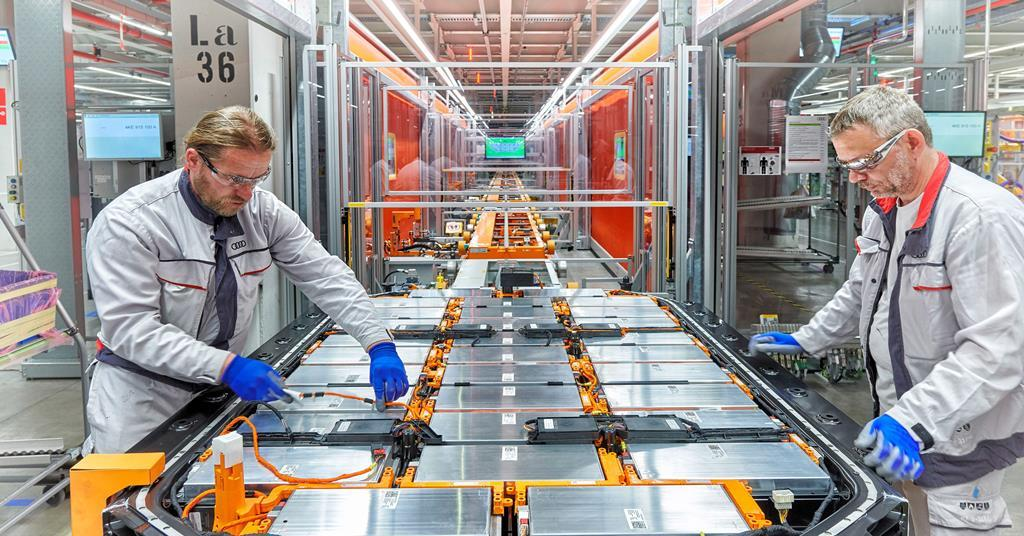
Battery performance is not just about chemistry. Cell formats—cylindrical, pouch, prismatic—and integration into modules or directly into the chassis greatly affect EV range, charging, and efficiency. Proper packaging enables better cooling, weight distribution, and space utilization, impacting overall vehicle performance.
Conclusion
EV batteries are diverse, each chemistry offering unique trade-offs between cost, safety, range, and durability. From legacy lead-acid and NiMH to modern NMC, NCA, LFP, and emerging solid-state and sodium-ion technologies, automakers have a broad toolkit to optimize vehicles for various markets and applications.
As innovation continues, future batteries will likely combine higher energy density, longer cycle life, and safer materials, powering the next generation of EVs more efficiently and affordably.
Recommend Reading: Why Modern EV Batteries Last Longer Than Most Drivers Expect









Share:
Volvo Revamps EX30 With Single-Motor and Cross Country Versions
Hyundai’s Push Toward Advanced Self-Driving: What Comes Next for the Automaker