



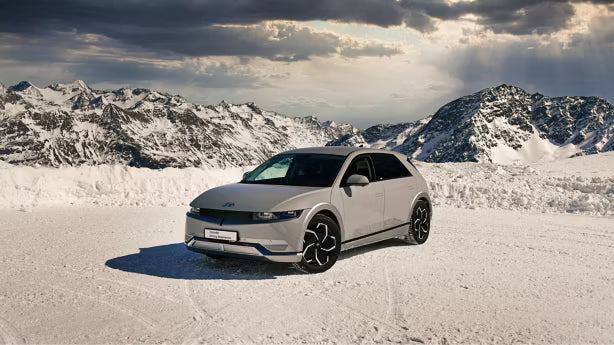
Electric vehicles are becoming a practical choice not only for daily commuting, but also for long-distance winter travel. Ski trips, once considered challenging for EV drivers due to cold weather and remote locations, are now increasingly accessible thanks to expanded charging infrastructure and EV-friendly resort planning.
This guide highlights real, EV-compatible ski resorts across North America that offer reliable charging access, convenient driving routes, and nearby amenities tailored to electric vehicle owners.
What Makes a Ski Resort EV-Friendly
Before choosing a destination, EV drivers should look beyond the resort name itself. A truly EV-compatible ski destination typically offers:
-
Level 2 or DC fast charging near base villages or lodging
-
Reliable highway charging corridors leading to the resort
-
Cold-weather accessibility without extreme range anxiety
-
Overnight charging options at hotels or rental properties
The resorts below meet these criteria and are already popular among EV drivers.
Whistler Blackcomb (British Columbia, Canada)
Whistler Blackcomb is one of the most EV-friendly ski destinations in North America. Located approximately 75 miles north of Vancouver, it benefits from British Columbia’s mature EV infrastructure and clean-energy grid.
Why it works for EV drivers:
-
Multiple Level 2 chargers throughout Whistler Village
-
DC fast charging available in Squamish and Vancouver
-
Many hotels and parking garages offer overnight charging
-
Well-maintained winter roads with consistent snow clearing
EV drivers can comfortably reach Whistler using major charging networks, making it an ideal destination for both short and extended ski trips.

Park City Mountain & Deer Valley (Utah, USA)
Park City stands out as one of the most accessible ski towns for EV owners in the United States. Located just 35 miles from Salt Lake City International Airport, it offers a smooth transition from urban charging infrastructure to alpine terrain.
EV advantages include:
-
Tesla Superchargers and CCS fast chargers in Salt Lake City and Park City
-
Public Level 2 chargers near Main Street and resort parking
-
EV-friendly hotels offering complimentary overnight charging
-
Minimal elevation gain compared to more remote resorts
Park City is especially attractive for EV drivers flying in and renting EVs locally.

Vail & Beaver Creek (Colorado, USA)
Colorado has invested heavily in EV infrastructure, and Vail Valley reflects that commitment. Both Vail and Beaver Creek are reachable via I-70, one of the most EV-supported mountain corridors in the U.S.
What makes this area practical:
-
Multiple DC fast chargers along I-70
-
Public Level 2 charging in Vail Village and Avon
-
Cold-weather-tested infrastructure due to year-round EV use
-
High-end lodging options with private chargers
Despite cold temperatures, careful trip planning allows EV drivers to reach Vail comfortably without excessive detours.

Lake Tahoe Resorts (California & Nevada, USA)
Lake Tahoe is home to several major ski resorts, including Heavenly, Northstar, and Palisades Tahoe, all of which benefit from California’s extensive EV charging network.
Key EV-friendly factors:
-
Dense charging availability in Reno, Truckee, and South Lake Tahoe
-
Tesla Superchargers and CCS fast chargers near major access routes
-
Resorts within short driving distances of charging hubs
-
Mild winter temperatures compared to higher-elevation locations
For West Coast EV drivers, Tahoe remains one of the easiest winter ski destinations to access.

Aspen Snowmass (Colorado, USA)
Aspen has positioned itself as a sustainability-focused mountain town, making it particularly welcoming for EV drivers.
EV-related highlights:
-
Public Level 2 chargers in Aspen and Snowmass Village
-
Fast charging access in Glenwood Springs
-
Strong municipal support for electric transportation
-
High-end lodging with dedicated EV parking
While the final approach includes elevation changes, Aspen’s charging density minimizes range concerns.

Banff & Lake Louise Ski Resort (Alberta, Canada)
Banff National Park offers dramatic scenery and improving EV access. While charging is less dense than in coastal regions, recent investments have made Banff viable for EV ski travel.
What to expect:
-
Level 2 chargers in Banff townsite
-
Fast charging stations in Canmore and Calgary
-
Cold-weather planning required due to subzero temperatures
-
Ideal for EVs with larger battery capacity or AWD systems
Banff is best suited for EV drivers who plan overnight charging carefully.

Killington Resort (Vermont, USA)
For East Coast EV drivers, Killington is one of the most accessible ski destinations. Vermont’s EV adoption rate continues to grow, and winter charging reliability is improving.
Why Killington works:
-
Level 2 chargers in Killington town and nearby Rutland
-
Easy access from Boston and New York City corridors
-
Short driving distances reduce range anxiety
-
Strong local support for renewable energy
This resort is well suited for weekend ski trips with minimal charging complexity.

Tips for EV Ski Travel in Winter
To ensure a smooth experience, EV drivers should keep the following in mind:
-
Precondition the battery before mountain climbs
-
Expect 10–25% range reduction in cold weather
-
Use overnight Level 2 charging whenever possible
-
Avoid arriving at resorts with less than 20% battery
-
Carry cold-weather-rated charging cables and adapters
Planning charging stops in advance remains essential, especially in remote alpine areas.
Final Thoughts
Ski trips are no longer off-limits for electric vehicle owners. Across North America, EV-compatible ski resorts are expanding rapidly, offering charging access, thoughtful infrastructure, and winter-ready roads.
With proper planning and realistic expectations, EV drivers can enjoy alpine travel without sacrificing convenience or confidence. As charging networks continue to grow, winter adventure and electric mobility are becoming increasingly compatible.
Recommend Reading: 300-Mile EV Road Trip Using Only Free Chargers: What One Driver Learned
Aktie:
Best EV-Friendly Campgrounds in the US and Canada