



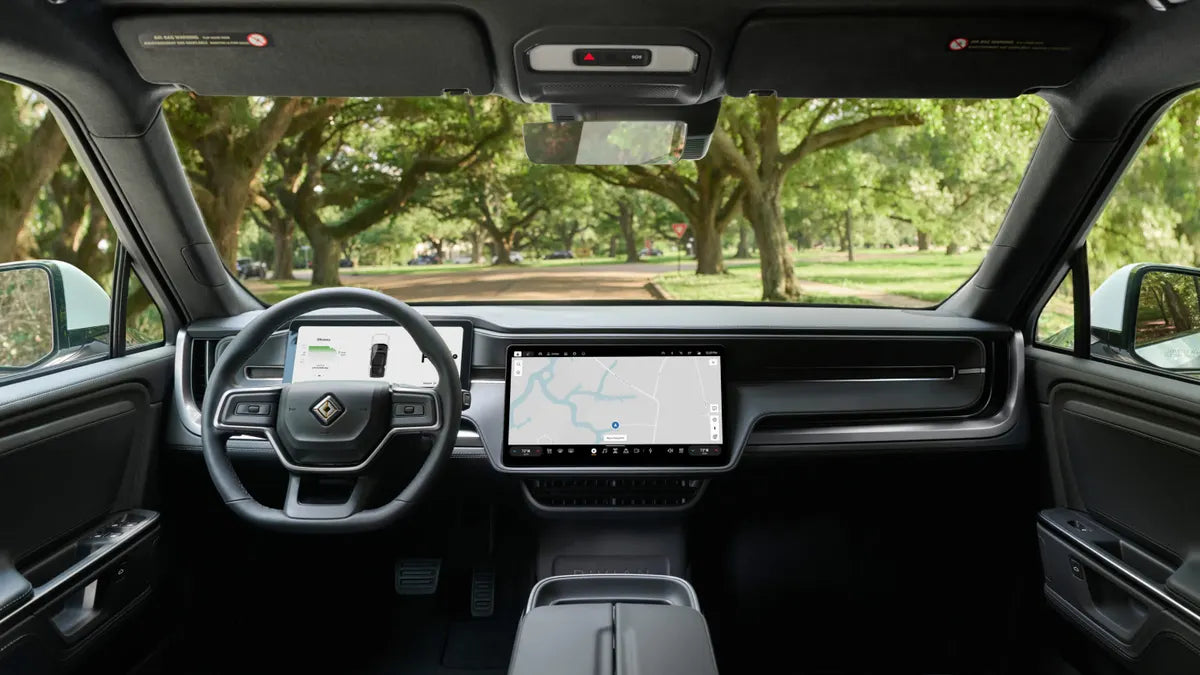
Rivian Looks to Autonomy as Its Next Growth Engine
With the $7,500 federal tax credit no longer available and the long-awaited R2 SUV still months away from reaching customers, Rivian is under pressure to strengthen its financial footing. The startup secured a major partnership with Volkswagen earlier this year, but it still needs additional revenue streams to support long-term stability.
One of Rivian’s most ambitious bets is advanced driver assistance and AI technology, which the company believes could differentiate its vehicles and attract fresh investment. Today, Rivian hosts its first-ever Autonomy and AI Day, a dedicated event that outlines its roadmap for safer, smarter, and more automated driving.

What to Expect From Rivian’s Autonomy and AI Day
During the event, Rivian is expected to detail new advancements across three categories:
-
Enhanced driver-assistance capabilities
-
AI-powered digital assistants
-
Upgraded hardware designed to enable broader automation
This showcase mirrors the strategy Tesla has used for years to excite fans, educate potential buyers, and—most critically—appeal to investors. A convincing autonomy strategy could unlock new funding, while a vague or overly aspirational plan could raise concerns about Rivian’s future trajectory.
Rivian released a short teaser ahead of the event in which CEO RJ Scaringe emphasized shifting customer expectations: modern drivers want their vehicles to “drive you places… and you don’t have to play an active role.” His remarks suggest Rivian is preparing features that move beyond lane-keeping or adaptive cruise control toward more hands-off capabilities.
New Autonomy Features on the Horizon
Scaringe recently described Rivian’s autonomy roadmap as progressing from a “hands-off everywhere” system to a “point-to-point navigation” experience—both features that would significantly elevate the brand’s driver-assistance reputation.
Currently, the R1S and R1T rely primarily on cameras and proximity sensors, leading to performance that lags behind leading systems. To unlock the next generation of autonomy, Rivian may turn to Lidar, a technology the company has hinted at but not fully confirmed. A visible cutout for a Lidar module appeared in official footage of an R2 prototype, and Scaringe noted that he “wouldn’t rule out” the technology.
This marks a sharp contrast with Tesla’s approach, whose CEO Elon Musk has repeatedly dismissed Lidar as unnecessary. Rivian appears ready to adopt a more hardware-intensive strategy to deliver reliable hands-off operation.
AI Voice Assistant Expected to Play a Major Role
Another announcement likely to emerge from today’s event is Rivian’s AI-based in-car assistant, designed to handle key vehicle functions through natural speech.
According to Rivian software chief Wassym Bensaid, the company has spent nearly two years developing the assistant, which is expected to debut before the end of the year. This system aims to provide more intuitive control and deeper integration than traditional voice-activated features, setting the stage for a more seamless user experience across Rivian’s lineup.

How to Watch the Event
Rivian will stream Autonomy and AI Day live starting at 12 p.m. ET. The presentation is open to the public, while media—including our team—will attend in person to report on key announcements and demonstrations from the show floor.
Recommend Reading: Rivian Sees Fully Driverless Capability Before 2030, CEO Says
Aktie:
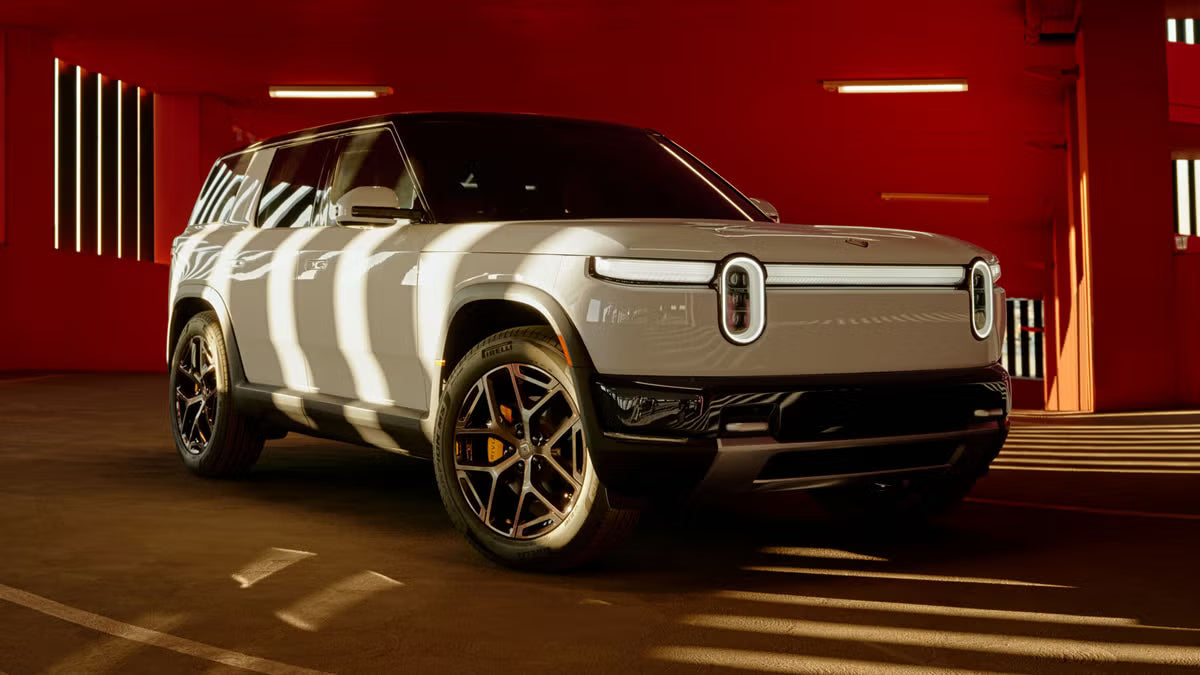
BMW EVs Gain Access to Tesla Superchargers Ahead of Schedule
Rivian Unveils New Hands-Free Driving and AI Assistant