



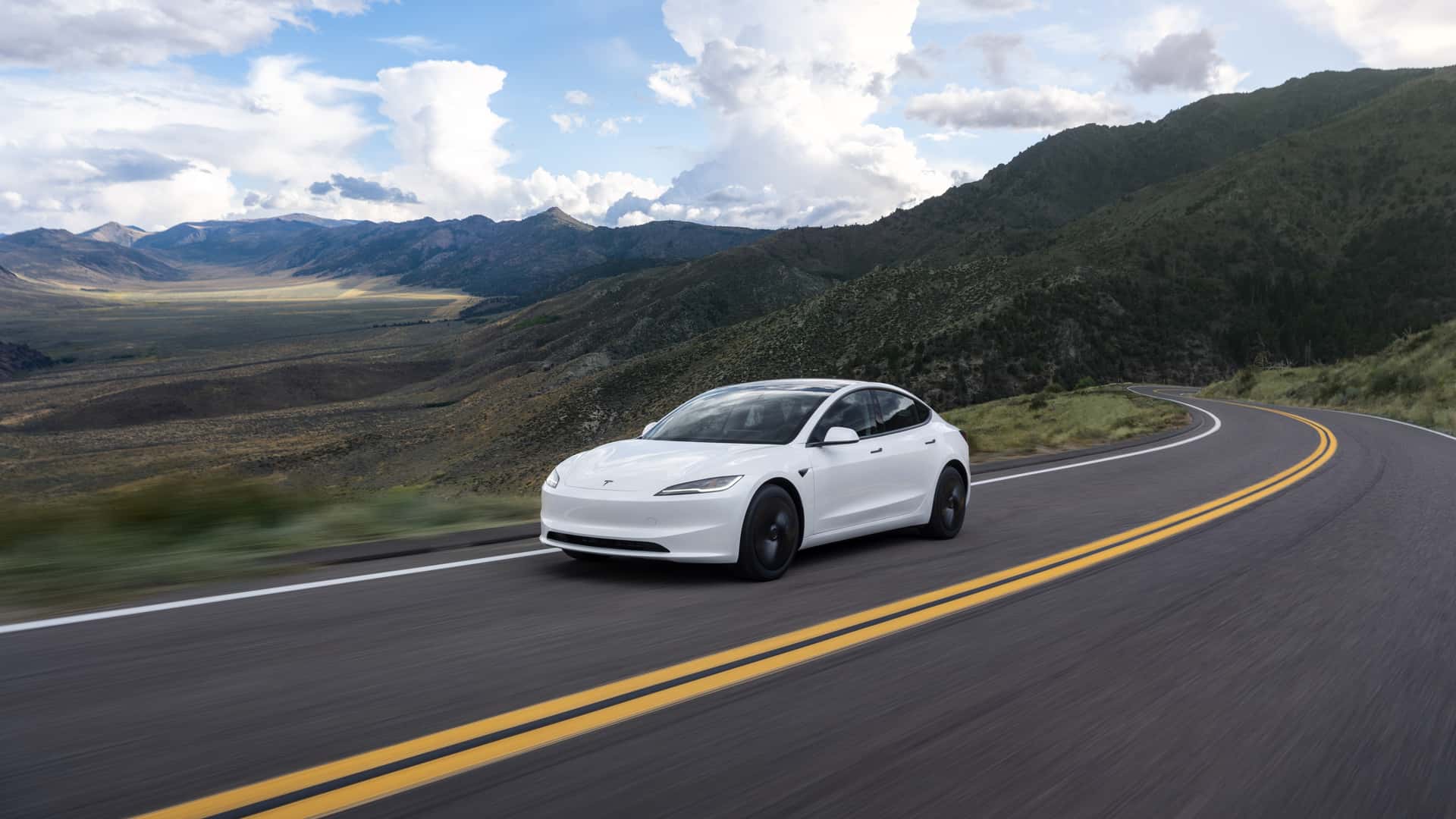
After more than a decade of rapid expansion, the U.S. electric vehicle market is heading toward a rare reversal. New industry estimates suggest that 2025 will mark the first year-over-year decline in EV sales since 2019, reflecting the combined impact of policy changes, market volatility, and shifting consumer behavior.
According to new projections from Cox Automotive, the downturn follows an unusually turbulent year that reshaped the trajectory of electric vehicle adoption in the United States.

A Boom-and-Bust Pattern Driven by Policy Changes
The EV market experienced a sharp surge earlier this year as consumers rushed to purchase vehicles before the $7,500 federal EV tax credit expired on September 30. That deadline helped push third-quarter EV sales to a record level, with more than 400,000 units sold, making it the strongest quarter in U.S. EV history.
However, once the incentive ended, demand dropped abruptly. Cox estimates that Q4 2025 EV sales will fall to roughly 230,000 units, representing a 46% decline from Q3 and a 37% drop year-over-year. EV market share slipped to 5.7% in the final quarter, underscoring how heavily demand had relied on federal incentives.
Full-Year Sales Expected to Edge Lower
Despite the strong third quarter, the late-year slowdown is expected to pull overall EV sales into negative territory. Cox projects that Americans will buy approximately 1.275 million electric vehicles in 2025, down 2.1% from the 1.3 million units sold last year.
If confirmed, this would be the first annual decline in U.S. EV sales since the early years of the modern EV market, when volumes dipped slightly between 2018 and 2019. Cox also estimates that battery-electric vehicles will account for 7.8% of all new car sales this year, down from 8.1% in 2024, even as total vehicle sales grow by around 2%.
From Explosive Growth to Market Maturity
The pullback is notable given how quickly EV sales expanded earlier this decade. In 2020, U.S. EV sales totaled just around 250,000 units. That figure nearly doubled in 2021, climbed another 65% in 2022, and surpassed 1 million units in 2023 for the first time.
Even in 2024, a year marked by slowing momentum and price pressure, EV sales still grew by more than 7%. Against that backdrop, a contraction in 2025 represents a clear shift from exponential growth to a more mature, volatile market.
Structural Headwinds Were Already Forming
Long before the latest policy changes, the EV market showed signs of strain. High vehicle prices, concerns about charging availability, and uneven resale values began to temper consumer enthusiasm. Automakers, meanwhile, had invested hundreds of billions of dollars to scale EV production in anticipation of stricter emissions rules and rising demand.
Those assumptions changed rapidly. The federal government rolled back fuel economy regulations, weakened zero-emission vehicle mandates, and introduced tariffs that increased costs for automakers. According to Cox, these moves created widespread uncertainty and undermined long-term planning.
Automakers Pull Back and Cancel Models
As incentives disappeared and regulations loosened, automakers reassessed which EVs could remain profitable. Several models were discontinued in recent months, including the Acura ZDX, Nissan Ariya, and Polestar 2.
The most dramatic move came this week, when Ford canceled the F-150 Lightning, a decision that sent shockwaves through the auto industry. Once seen as a cornerstone of mass-market EV adoption, the electric pickup’s cancellation highlights how sharply expectations have changed.

A Reset, Not the End of EVs
Despite the downturn, analysts caution against interpreting the decline as a collapse. Cox expects 2026 EV sales to remain roughly flat, at around 1.3 million units, with market share stabilizing near 8.5%.
Automakers are not abandoning electrification altogether. Instead, the industry appears to be entering a reset phase, with more conservative product plans and a sharper focus on cost, demand, and profitability. Over the long term, analysts still expect EVs to gain ground as technology improves and prices fall—but the path forward is likely to be less predictable than before.
Recommend Reading: U.S. EV Sales Plunge After Tax Credits Expire


Aktie:
Volkswagen ID. Polo Prototype Shows a Clear Shift in VW’s EV Strategy
EV Buyers May See Deeper Discounts as Unsold 2024–2025 Models Pile Up