



Tesla’s Mixed Reliability Record
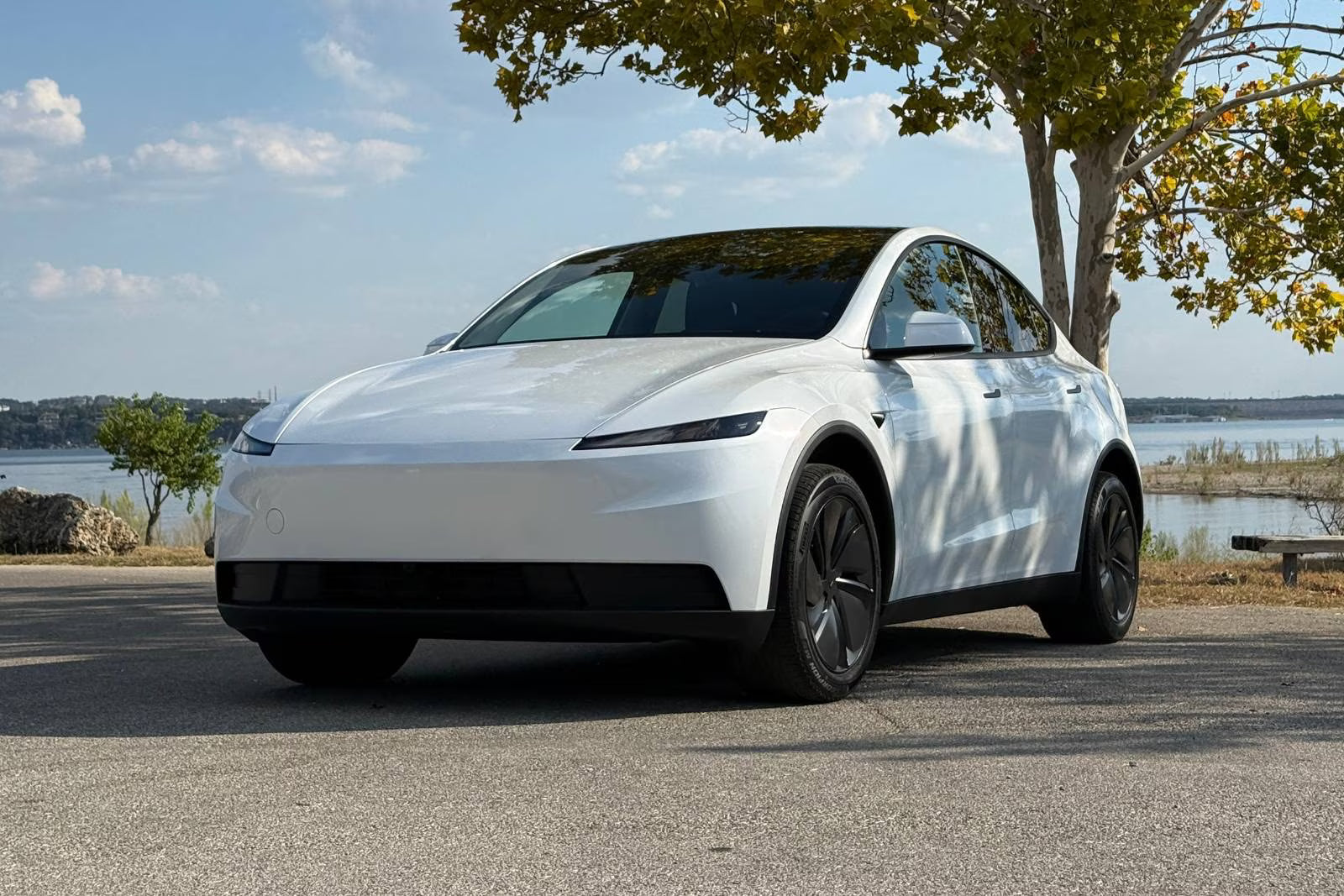
Tesla continues to dominate U.S. EV sales, and millions of its vehicles now populate American roads. But not all Teslas deliver the same reliability, according to Consumer Reports’ latest findings on both new and used models.
New Teslas perform impressively: the brand ranked ninth overall in CR’s 2026 new-car reliability results, placing above many long-established automakers. The Tesla Model Y was named the most reliable new EV, although it still trails hybrid models that rely on decades-proven systems.
CR also ranks the Lexus RZ as the second most reliable EV, while BMW’s electric lineup (i4, i5, iX) falls into the “average” category.

Why Older Teslas Score So Poorly
Despite strong new-car performance, used Teslas aged 5–10 years rank dead last among all brands evaluated. This places them below Jeep, Ram, Chrysler, GMC, and Kia.
Consumer Reports attributes this dramatic decline to Tesla’s aggressive production ramp-up between 2016 and 2021. During these years, the company expanded manufacturing rapidly—sometimes using temporary assembly tents—and early Model 3 and Model Y units suffered build-quality and component issues.
Today’s Teslas are generally more refined, but many bargain-priced used models come from the problematic 2016–2021 era, raising ownership risks for budget-minded shoppers who are shifting heavily toward used vehicles as new-car prices hover around $50,000.
The Upsides: Service Access and Long Warranties
Despite reliability concerns, used Teslas retain some advantages:
-
A comparatively broad EV service network
-
Readily available spare parts thanks to high market volume
-
Independent repair shops that can be cheaper than Tesla’s own facilities
-
An eight-year battery and drive-unit warranty, which may still apply for many used vehicles as long as mileage limits are not exceeded
These factors can lower long-term repair risks even for higher-mileage vehicles.
Who Leads in Used-Car Reliability?
While Tesla sits at the bottom of the used-car rankings, familiar leaders once again top the charts. Lexus, Toyota, Mazda, Honda, and Acura dominate the reliability leaderboard. BMW is the highest-ranking European brand, followed by Buick, Nissan, Audi, and Volvo.
Rivian and Lucid aren’t included yet, as their vehicles are too new for the 5–10-year window.
Most Reliable Used Car Brands
| Rank | Brand | Reliability Verdict |
|---|---|---|
| 1 | Lexus | 77 |
| 2 | Toyota | 73 |
| 3 | Mazda | 58 |
| 4 | Honda | 57 |
| 5 | Acura | 53 |
| 6 | BMW | 53 |
| 7 | Buick | 51 |
| 8 | Nissan | 51 |
| 9 | Audi | 49 |
| 10 | Volvo | 48 |
| 11 | Mercedes-Benz | 47 |
| 12 | Subaru | 47 |
| 13 | Volkswagen | 46 |
| 14 | Lincoln | 46 |
| 15 | Mini | 46 |
| 16 | Cadillac | 45 |
| 17 | Hyundai | 43 |
| 18 | Chevrolet | 40 |
| 19 | Ford | 39 |
| 20 | Dodge | 39 |
| 21 | Kia | 39 |
| 22 | GMC | 37 |
| 23 | Chrysler | 36 |
| 24 | Ram | 35 |
| 25 | Jeep | 32 |
| 26 | Tesla | 31 |
EVs and PHEVs Still Face More Problems
CR’s broader findings show that EVs and plug-in hybrids are roughly 80% more problematic than gasoline-only cars. Most issues relate to high-voltage batteries, charging systems, and drive components. Hybrids, however, score far better, reporting 15% fewer problems than traditional gas vehicles.
Although EVs have fewer mechanical parts and lower routine maintenance needs, many models are built on relatively new platforms—meaning manufacturers are still addressing early-generation issues.
As Jake Fisher, CR’s senior director of auto testing, explains, “many of the problems with EVs and plug-in hybrids stem from newer designs compared with gas technology.”

How the Data Was Collected
Consumer Reports surveyed over 140,000 vehicles from model years 2016–2021 for its used-car reliability study. Respondents reported issues encountered within the previous 12 months across 20 potential trouble categories, ranging from minor trim defects to major component failures like batteries, motors, and charging equipment.
Recommend Reading: Used Teslas Are Selling Faster Than Gas Cars
Aktie:
Trump Moves to Roll Back U.S. Fuel-Economy Standards
300-Mile EV Road Trip Using Only Free Chargers: What One Driver Learned