





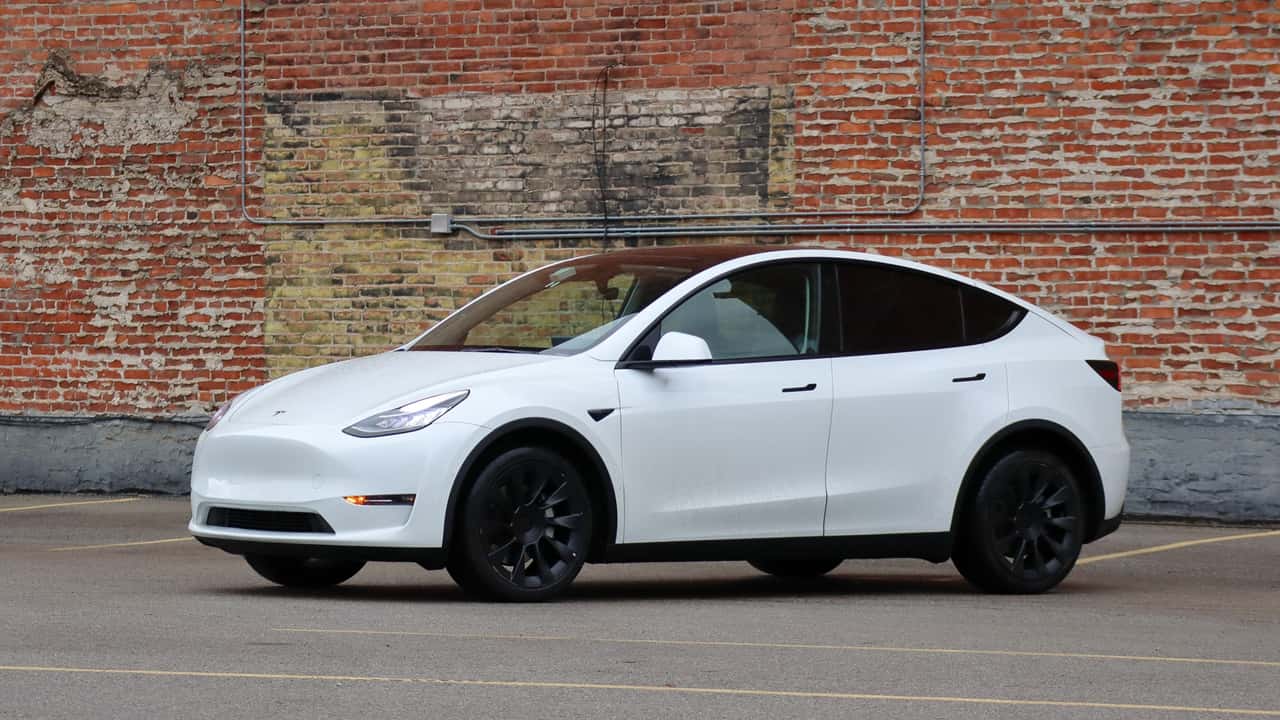
Just five battery-electric vehicles represented roughly one-fifth of worldwide EV sales last year, despite hundreds of electric models being available across global markets. Two Tesla models led the rankings, while three low-cost Chinese cars captured major volume through aggressive pricing and broad accessibility.

A Small Group Dominated Global EV Demand
The global electric vehicle market now offers more choices than ever before. According to data from the International Energy Agency (IEA), consumers had access to around 630 battery-electric models out of approximately 2,500 total vehicle models sold worldwide last year.
Even with such a large selection, buyers concentrated heavily around a handful of vehicles. The data showed that only five EVs collectively generated around 20% of all global battery-electric sales in 2025.
Tesla remained the strongest individual brand in the rankings. The Tesla Model Y alone accounted for nearly 8% of worldwide EV deliveries, maintaining its position as the industry's volume leader. The Tesla Model 3 followed with roughly 3.6% market share.
Three Chinese models completed the top five: the Geely Geome Xingyuan, Wuling HongGuang Mini EV, and BYD Seagull. Each secured approximately 3% to 3.5% of global battery-electric sales.
Affordable Chinese EVs Continue Expanding
While Tesla's vehicles dominate premium and mid-market segments, the Chinese entries succeeded through extremely low pricing.
The Geely Geome Xingyuan starts at around $9,700 in China and offers up to 40 kWh battery capacity with a claimed range of approximately 255 miles under the Chinese CLTC testing standard.
The BYD Seagull, another compact city-focused EV, begins near $8,000 depending on trim level and market configuration. Higher trims provide specifications comparable to larger entry-level electric hatchbacks sold elsewhere.
Meanwhile, the Wuling HongGuang Mini EV remains one of the cheapest electric cars available globally. Entry versions reportedly start near $6,500, though longer-range configurations use a larger 26.5 kWh battery pack capable of delivering roughly 190 miles under local testing procedures.
These pricing levels differ sharply from Western EV markets. In the United States, a new Tesla Model Y starts close to $40,000, while Chinese domestic pricing for the same vehicle is noticeably lower.
Price Differences Shape Regional Markets
The IEA noted that affordability has become one of the strongest drivers behind EV adoption in developing regions.
In China, roughly 30% of plug-in vehicles sold last year carried starting prices below $20,000. The American market looked very different. Only around 20% of EVs in the U.S. started below $40,000.
Vehicle size also plays a major role. About 85% of EVs sold in the United States belong to SUV or larger vehicle categories, which naturally increases manufacturing costs and selling prices. Chinese brands, by contrast, have focused heavily on compact urban EVs with smaller battery packs and simplified designs.
This strategy helped Chinese automakers gain momentum not only domestically, but also in emerging markets throughout Southeast Asia and other developing economies. Lower-cost EVs allowed many first-time buyers to enter the electric vehicle market without paying premium prices associated with larger Western models.
Global EV Choices Continue Growing
Industry analysts expect the number of electrified models to rise rapidly over the next several years.
The IEA estimates that the number of plug-in vehicle offerings worldwide increased from around 440 models in 2020 to approximately 980 models in 2025. Another 150 new electrified models are expected to launch during this year alone.
By 2029, the organization projects that global markets could feature roughly 1,250 plug-in models, approaching the number of gasoline and hybrid vehicles available worldwide.
Despite this expanding selection, current sales trends suggest that market leaders still benefit heavily from scale, pricing advantages, and strong brand recognition. The latest figures show that a relatively small group of EVs continues to capture a disproportionate share of worldwide demand.

FAQ
Why did only five EVs account for so many sales?
High-volume EVs usually combine strong pricing, production scale, and broad market availability. Tesla benefited from global brand recognition, while Chinese automakers attracted buyers through very low prices.
Which EV was the best-selling model globally?
The Tesla Model Y ranked first in worldwide battery-electric sales last year. It represented nearly 8% of total global BEV sales, according to IEA data.
Why are Chinese EVs growing so quickly?
Chinese manufacturers focus heavily on lower-cost compact vehicles. Many models sell for under $10,000, making EV ownership accessible to far more buyers in domestic and export markets.
Are affordable EVs common in the United States?
Not compared to China. Only about 20% of EVs sold in the U.S. start below $40,000, while China offers many sub-$20,000 electric vehicles.
How many EV models are available globally now?
The IEA estimates there were roughly 980 plug-in vehicle models available worldwide in 2025. That number is expected to continue increasing over the next few years.
Recommend Reading: US EV Charging Growth Continues Despite Slower Vehicle Sales










Share:
Mercedes AMG EV Sedan Adds 600 kW Charging