





New CarPlay Integration Expands Charging Convenience
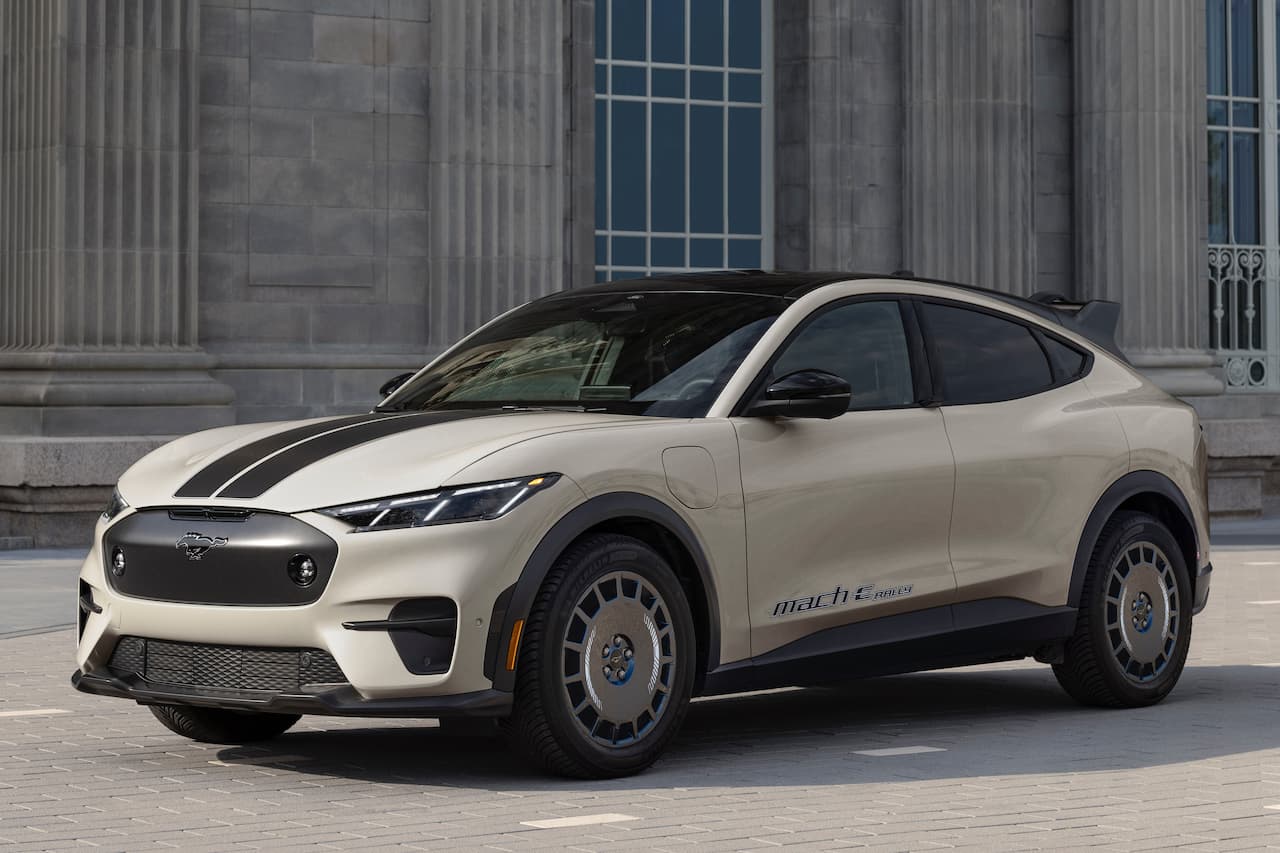
Ford has introduced a subtle but practical update for the 2026 Mustang Mach-E, aimed at drivers who rely on Apple’s ecosystem. The electric crossover can now prepare its battery for rapid charging directly through Apple Maps via CarPlay, eliminating the need to switch between multiple navigation systems during a trip.
Previously, drivers had to depend on the vehicle’s built-in navigation or alternative apps to trigger battery conditioning. With this change, Apple Maps becomes a more complete solution for route planning and charging preparation within the same interface.

How Battery Preconditioning Works in Practice
Battery preconditioning ensures that the high-voltage pack reaches an optimal temperature before arriving at a fast charger. This step is critical for achieving maximum DC charging speeds.
To activate the feature, users must create a route in Apple Maps that includes at least one fast-charging stop using its EV routing function. Once the journey is set, the car and the connected iPhone exchange data in real time. The vehicle’s central display then shows key details such as planned charging stops and expected state of charge upon arrival.
This seamless interaction allows drivers to stay within Apple’s interface throughout the journey while still benefiting from optimized charging performance.
Key Limitations to Be Aware Of
Despite its convenience, the system comes with several restrictions that may affect usability.
First, the functionality is limited exclusively to the 2026 model year of the Mustang Mach-E. Earlier versions do not support this integration.
Second, users must maintain an active Connected Navigation subscription. Without it, the feature will not operate, even if Apple Maps is properly configured.
Another important constraint concerns how charging stops are selected. If a driver manually picks a fast charger from within Apple Maps, preconditioning will not be triggered. Instead, the route must be generated automatically using Apple’s EV routing tool.
Charging Network Compatibility and Adapter Considerations
Apple Maps now includes detailed information about charging networks, including Tesla’s infrastructure. When planning a route, the system can display warnings if a connector mismatch requires an adapter.
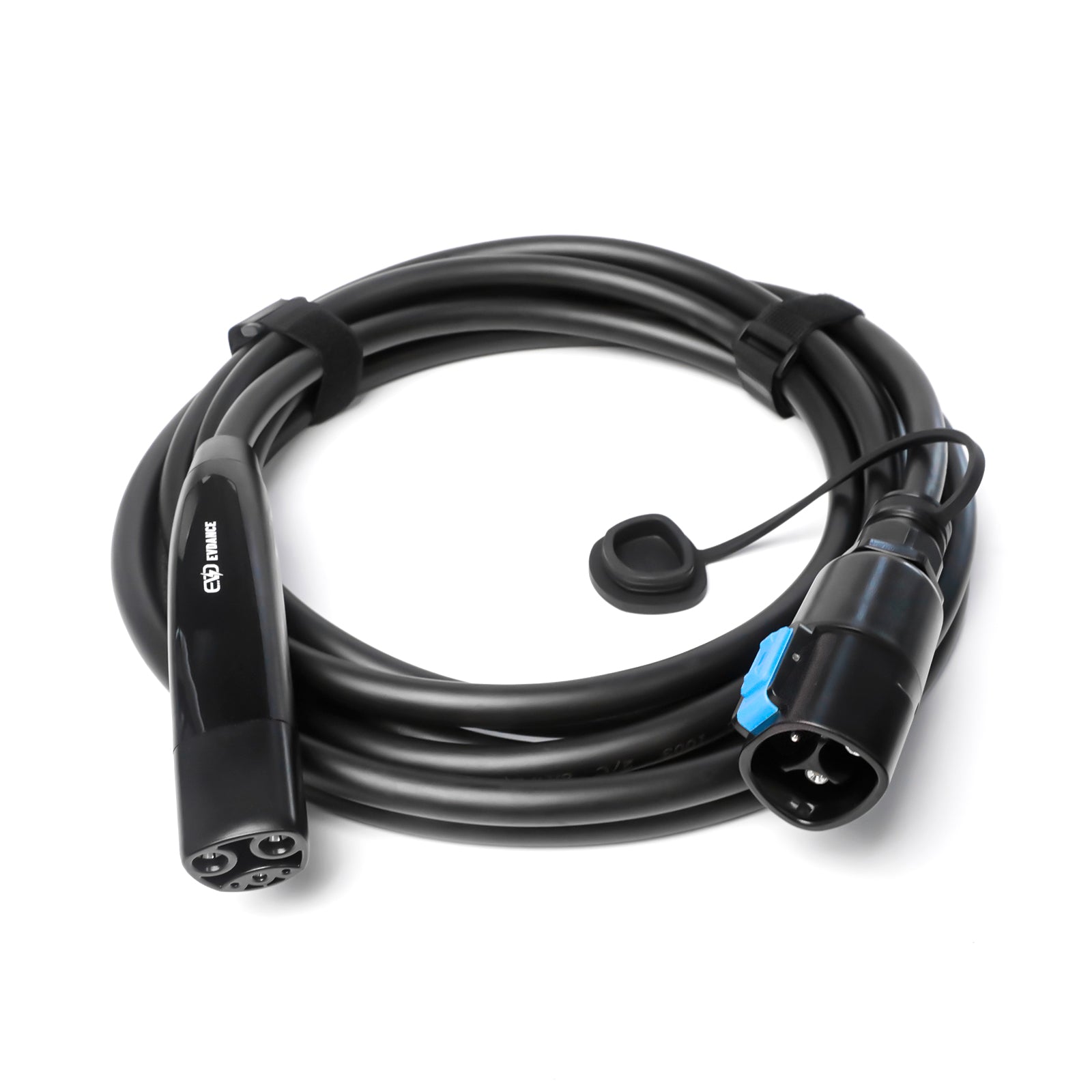
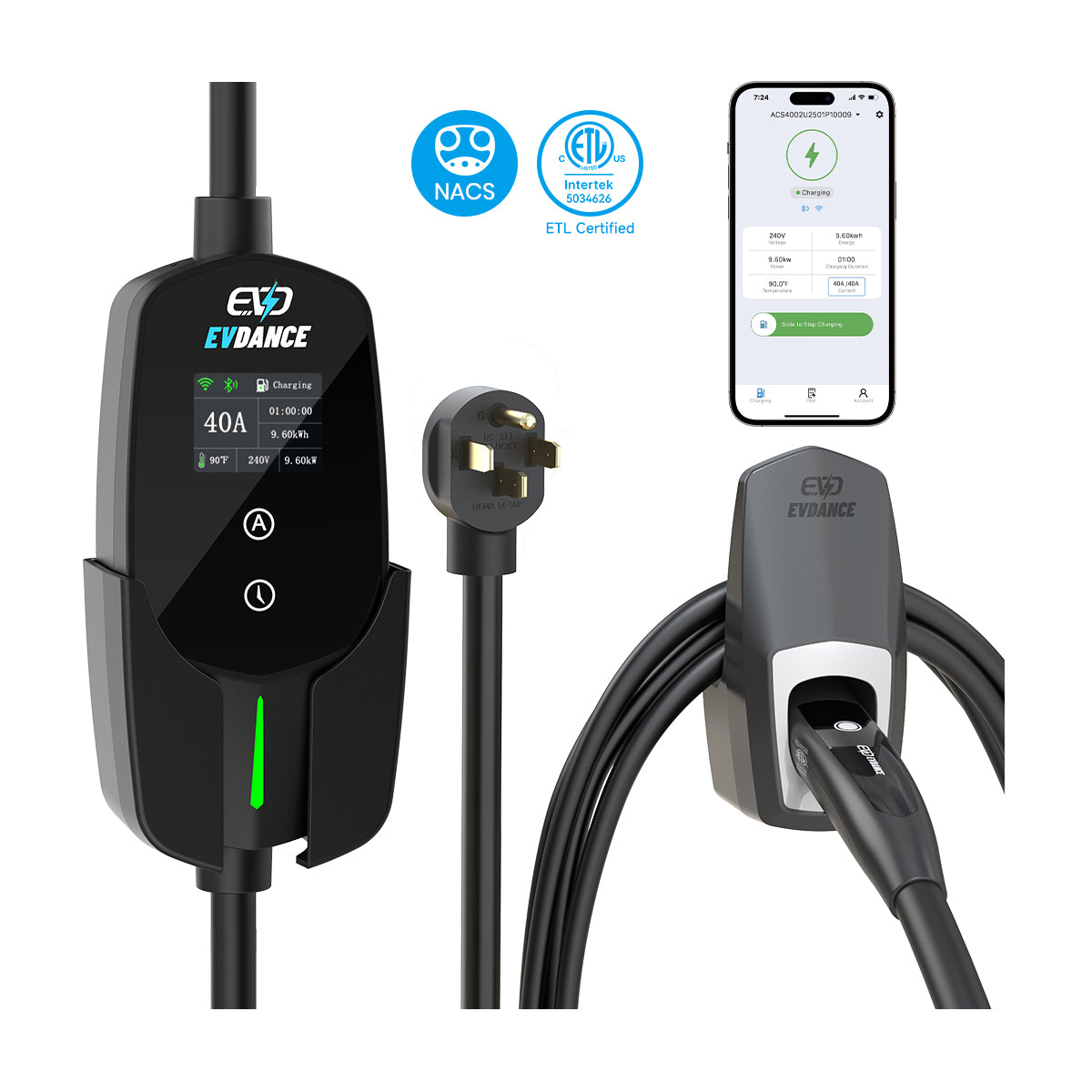
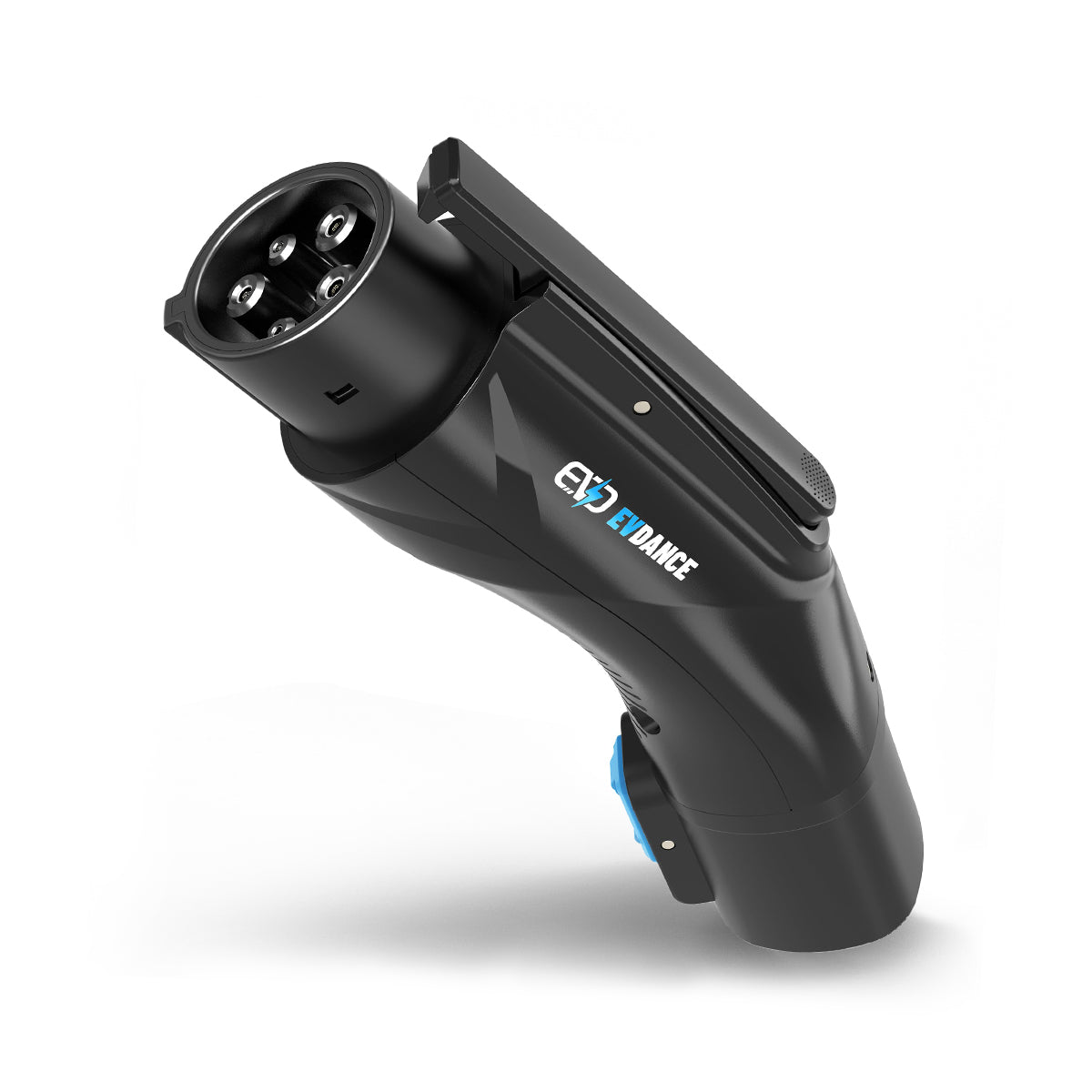
This is particularly relevant because the Mustang Mach-E uses a CCS1 port, while many Tesla fast chargers in North America are equipped with NACS connectors. Drivers may therefore need a compatible adapter to access certain locations.
By integrating this information into navigation, Apple Maps helps reduce uncertainty when planning longer trips that rely on multiple charging stops.
Comparison With Other Navigation Options
Before this update, automatic battery conditioning was already available through Ford’s native navigation system and through Google Maps on Android Auto. These systems can initiate preconditioning not only during route planning but also when a fast charger is selected from nearby options.
Apple Maps behaves differently. It requires a full route with embedded charging stops to activate the process. This distinction may influence user preferences, especially for drivers who frequently make spontaneous charging decisions.
Additional Conditions Affecting Performance
There are also operational thresholds that determine whether preconditioning will occur. If the system predicts that the battery level upon arrival will fall below 5%, or if the estimated remaining range drops under 10 miles, the feature will not activate.
These safeguards are likely designed to prioritize reaching the charging station over optimizing battery temperature, ensuring the vehicle does not risk running out of energy.
Broader Updates to the 2026 Mustang Mach-E
The addition of CarPlay-based preconditioning is part of a broader refresh for the 2026 model. The vehicle launched with a slightly reduced starting price, along with minor design and feature adjustments.
Changes include updated rear door handles and the introduction of a California Special package. Notably, the front trunk is no longer included as standard equipment.
While these updates are relatively modest, the improved integration with Apple Maps highlights Ford’s effort to streamline the digital experience for EV drivers.

What This Means for Everyday Drivers
For users deeply invested in Apple’s ecosystem, this update simplifies route planning and charging preparation. By combining navigation and battery management into a single interface, Ford reduces friction in the charging process.
However, the feature’s effectiveness depends on specific conditions, including subscription status and how routes are created. Drivers who prefer flexibility in selecting charging stops may still find alternative navigation systems more accommodating.
Overall, the update reflects a broader industry trend toward tighter integration between vehicles and mobile platforms, with a focus on improving usability rather than introducing entirely new hardware capabilities.
Recommend Reading: Tesla Adds Detailed Supercharger Maps to Improve Charging Navigation









Share:
Stellantis EVs Gain Access to Tesla Supercharger Network
What Tesla Ending Model S and X Means for Lucid Buyers