



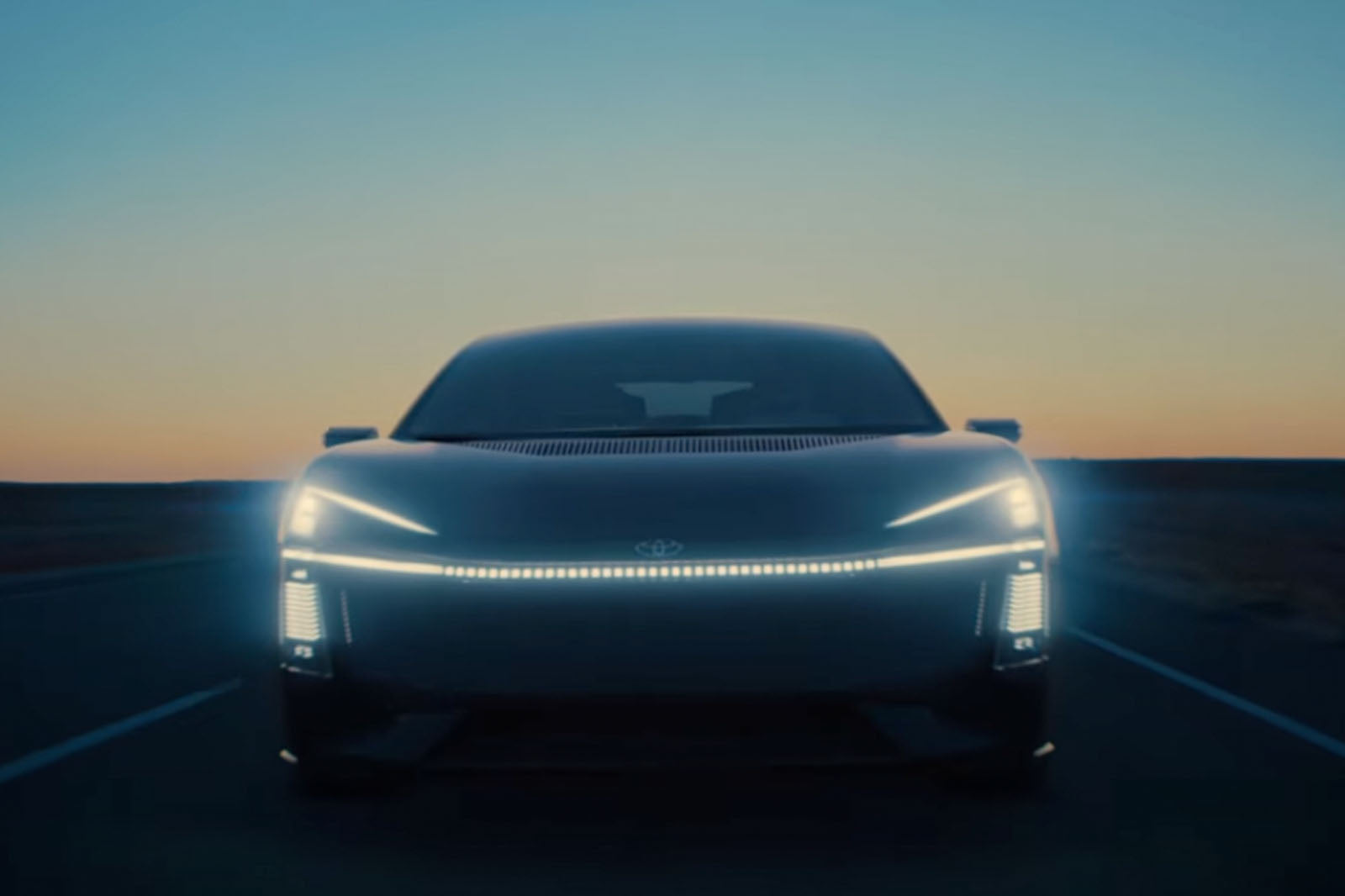
A Promise Decades in the Making
For years, solid-state batteries have been hailed as the next major leap in electric vehicle (EV) technology — a breakthrough that’s always “just a few years away.” Automakers have invested billions chasing the promise of faster charging, higher energy density, and longer life spans. Now, Toyota claims its solid-state batteries could last up to 40 years, a figure that, if true, could reshape how EVs are built and owned.
At the recent Japan Mobility Show, Toyota unveiled new details about its solid-state program. Keiji Kaita, president of Toyota’s Carbon Neutral Advanced Engineering Development Centre, told CarExpert that the company’s target is a 40-year battery life while maintaining 90% capacity. For comparison, current lithium-ion batteries typically hold that level of performance for around 10 years.
To put it in perspective, the average age of vehicles on U.S. roads is about 14.5 years. If Toyota’s goal is achieved, a single solid-state battery could theoretically outlast the car it powers—several times over.

What Makes Solid-State Different
Solid-state batteries replace the liquid electrolyte found in conventional lithium-ion packs with a solid one, often made of sulfide, oxide, or polymer materials. This allows for denser energy storage, greater safety, and faster charging, while also reducing the risk of overheating or fire.
However, the challenges have been immense: fragile materials, complex manufacturing, and high costs have kept solid-state cells out of mass production. Still, Toyota isn’t alone in the race. Other developers, like Solid Power in Colorado, working with BMW, report test cells that survive over 1,000 charge cycles. A Harvard University study achieved 80% capacity retention after 6,000 cycles, while Samsung SDI aims for 20-year battery durability.
These developments suggest that while 40 years might be optimistic, the technology’s longevity advantage over today’s lithium-ion cells is undeniable.
Partnerships Powering Toyota’s Push
To bring its vision to life, Toyota has partnered with electrolyte supplier Idemitsu Kosan and cathode-material producer Sumitomo Metal Mining. Both companies play a critical role in ensuring the consistency and scalability of next-generation battery materials. Sumitomo has even stated that Toyota will receive supply priority, underscoring the automaker’s leadership position in Japan’s solid-state ecosystem.
The potential upside is massive: fewer battery replacements, reduced raw material demand, and lower overall environmental impact. If a vehicle’s battery could last decades, it could dramatically reduce waste and mining-related emissions.
When Will We See It on the Road?
Toyota has remained vague about which vehicles will debut the solid-state pack, but multiple reports suggest a 2027–2028 timeframe for first applications. Chief Scientist Gill Pratt previously indicated that hybrids might get the technology first, but Toyota’s latest presentation hinted at “high-power, long-range” performance vehicles—potentially a Lexus sports car inspired by the LFA concept.
Either way, the launch will mark a major turning point. Toyota has been promising solid-state breakthroughs since the early 2010s, and skepticism is understandable. But if the automaker truly achieves even half of what it claims—a durable, affordable, high-capacity battery—the ripple effect could transform the global EV market.

A Long Wait That Might Finally Pay Off
After years of anticipation, Toyota’s progress suggests the solid-state era may finally be within reach. While real-world validation is still ahead, the potential benefits—four decades of lifespan, faster charging, and safer operation—could redefine consumer expectations for electric vehicles.
If Toyota delivers, it won’t just extend the life of EVs—it could change how long we expect any car to last.
Recommend Reading: Nissan Targets 2028 Launch for Solid-State Batteries That Could Double EV Range
Partager:
Ford May End F-150 Lightning Production as EV Sales Slow
Best EV Lease Deals and Financing Offers in November 2025