



A Different Charging Message for Modern EVs
While charging a 2025 Ford Mustang Mach-E, some owners may notice an unusual recommendation on the center screen: charge the battery to 100% at least once per month. For EV drivers accustomed to the familiar “80% rule,” this advice can seem counterintuitive.
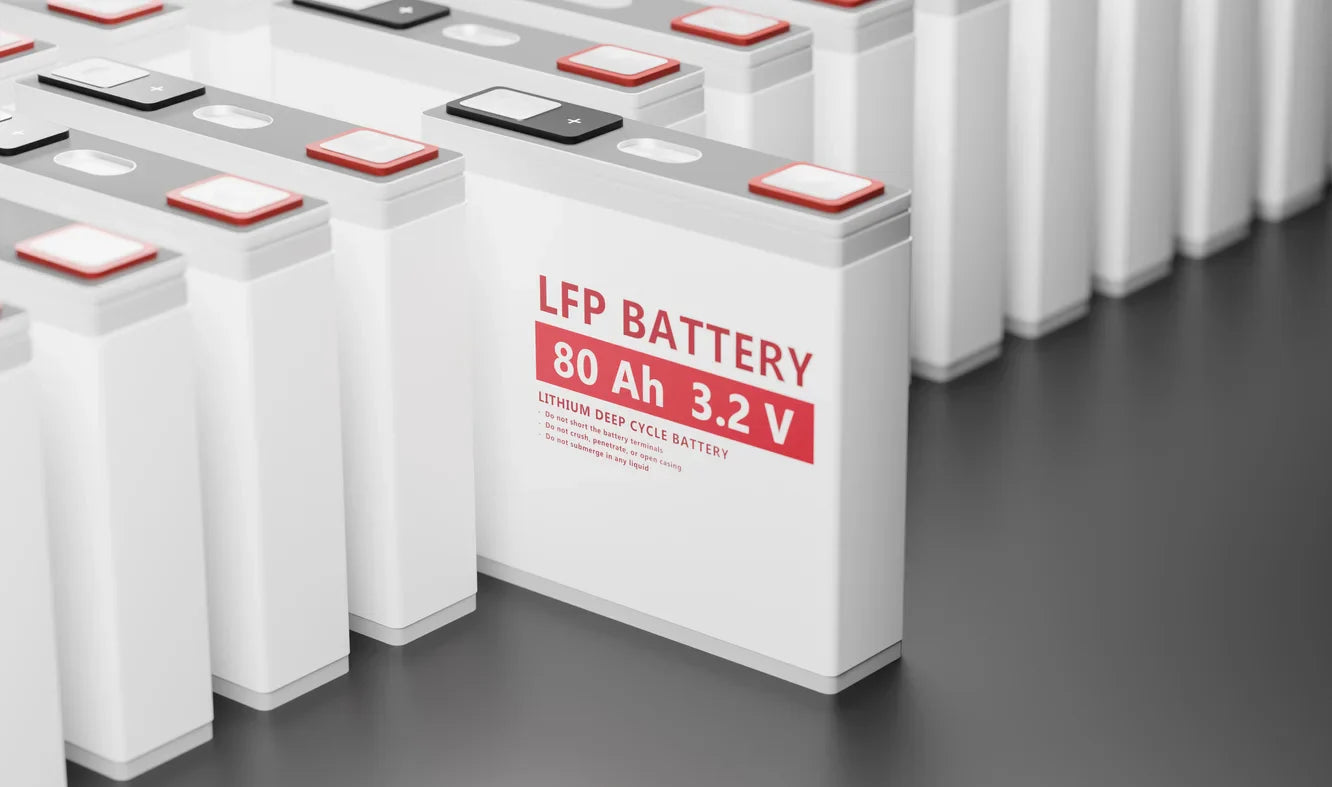
The explanation lies in battery chemistry. Certain trims of the Mustang Mach-E, along with several Tesla models, use lithium iron phosphate (LFP) batteries, which behave differently from the nickel-based lithium-ion packs found in most electric vehicles.

What Makes LFP Batteries Different
LFP batteries are a type of lithium-ion battery, but they replace nickel, cobalt, and manganese with iron phosphate in the cathode. This seemingly small change has major implications.
Compared with conventional nickel-manganese-cobalt (NMC) batteries, LFP packs are around 20% cheaper to produce, making them especially attractive for lower-cost EVs. They also avoid materials linked to complex global supply chains, improving sustainability and cost stability.
From a durability standpoint, LFP batteries are known for long cycle life, thermal stability, and lower fire risk. They tolerate repeated charging better and tend to degrade more slowly under high state-of-charge conditions.
The tradeoff is energy density. LFP batteries store roughly 30% less energy per pound, which translates to shorter driving range. Cold-weather performance is also weaker compared to NMC chemistry.
Which EVs Use LFP Batteries Today
In China, LFP batteries dominate the EV market. In the U.S., they are becoming more common, especially in affordable trims. Current and upcoming LFP-equipped vehicles include:
-
Ford Mustang Mach-E Select and Standard Range trims
-
Tesla Model 3 and Model Y Standard Range (primarily RWD versions)
-
Rivian R1T and R1S Standard dual-motor variants
-
The next-generation Chevrolet Bolt
-
Future Ford models based on its Universal EV Platform
A clear pattern emerges: LFP batteries are typically used in lower-cost EVs with moderate range, helping automakers keep prices competitive without sacrificing durability.
Knowing which battery your vehicle uses matters. For example, Mach-E models with an LFP pack can be identified by specific VIN codes, while Tesla displays battery chemistry directly in the vehicle’s software menus.
Why LFP Batteries Benefit From 100% Charging
Most EVs with NMC batteries perform best when kept between 20% and 80% charge, minimizing long-term degradation. LFP batteries follow a different logic.
Automakers like Ford and Tesla recommend periodic full charges for LFP-equipped vehicles to maintain accurate battery readings. Charging to 100% helps the battery management system (BMS) correctly calibrate state-of-charge and range estimates.
Ford advises LFP owners to charge to 100% at least once per month. Tesla has historically recommended even more frequent full charges, sometimes weekly, though current guidance is displayed dynamically on the vehicle’s screen.
Data from battery analytics firm Recurrent suggests that LFP batteries tolerate high charge levels better than NMC packs, with many vehicles showing minimal degradation even after 100,000 miles.
Is Charging to 100% Always Safe?
The answer is nuanced. While LFP batteries handle full charges better, some academic research suggests that constant 100% charging may still accelerate wear under certain conditions.
The consensus among manufacturers and battery experts is practical rather than theoretical: follow your vehicle’s guidance. Occasional full charges for calibration are beneficial, but constantly leaving the battery at 100% may not be necessary.
The key advantage of LFP chemistry is flexibility. Owners are not bound to strict charging limits and can comfortably use more of their vehicle’s available range on a daily basis.

The Bottom Line for EV Owners
LFP batteries trade maximum range for lower cost, longer life, and simpler ownership habits. If your EV uses this chemistry, charging to 100% occasionally is not only safe—it’s recommended.
Understanding your battery type helps you charge smarter, preserve long-term performance, and get the most value out of your electric vehicle.
Recommend Reading: Understanding All Major EV Battery Types and Their Applications


Partager:
This New Battery-Powered DC Fast Charger Can Be Installed in Hours
California Plans $200 Million EV Incentive Program