
Introduction

California leads the U.S. in electric vehicle (EV) adoption, boasting over 1.5 million EVs on the road as of 2025. With aggressive climate goals and an expanding charging infrastructure, choosing the right charging station has become essential for EV owners. This article evaluates major EV charging networks operating across the state based on speed, availability, reliability, and user satisfaction.


Top EV Charging Networks in California

Brand Coverage in CA Average Charging Speed Pricing (DC Fast) User App Experience Reliability Rating
Tesla Supercharger ★★★★★ 250 kW (V3) ~$0.25/kWh Excellent (Tesla App) ★★★★★
Electrify America ★★★★☆ Up to 350 kW ~$0.43/kWh Good (App, Plug&Charge) ★★★★☆
EVgo ★★★★☆ 100–350 kW ~$0.45–$0.55/min Fair (App sometimes lags) ★★★☆☆
ChargePoint ★★★☆☆ 50–125 kW Varies (Host-Set) Good (App flexible) ★★★★☆
Blink Charging ★★☆☆☆ 50 kW ~$0.49/kWh Basic (Limited features) ★★☆☆☆

Performance Breakdown

1. Tesla Supercharger

  • Best for Tesla drivers.

  • Exclusive network with fast, seamless charging.

  • Integrated with the Tesla ecosystem for navigation, stall availability, and battery preconditioning.

2. Electrify America

  • Best for non-Tesla vehicles using CCS.

  • Rapid expansion of 350 kW stations.

  • Stations are sometimes busy, but pricing is fair with membership discounts.

3. EVgo

  • Great urban presence, especially in city centers and malls.

  • Recently upgraded to 350 kW in some areas.

  • App performance and plug compatibility can vary.

4. ChargePoint

  • Most flexible with pricing, as site hosts set rates.

  • Widely used in workplace and residential locations.

  • App shows station status in real-time and supports RFID access.

5. Blink Charging

  • Limited network and slow app development.

  • Often found in older infrastructure.

  • Better suited for occasional use, not for road trips


    Which Is Right for You?

    • Tesla Owner: Use Tesla Superchargers for optimal performance.

    • Frequent Highway Driver (Non-Tesla): Choose Electrify America or EVgo.

    • Urban Commuter: ChargePoint offers flexibility in offices and retail areas.

    • Budget-Conscious: Look for free ChargePoint stations or local government programs.


    Conclusion

    California’s EV charging landscape is maturing rapidly. While Tesla remains the gold standard for its users, Electrify America is quickly catching up for public fast-charging. As the infrastructure grows, staying informed and using apps like PlugShare or ABetterRoutePlanner can significantly enhance your charging experience.

1 comment

  • Frank Gurnee
    • Frank Gurnee
    • August 22, 2025 at 10:24 am

    Tesla looks like the price performer, but where exactly in CA does one pay $0.25 kWh? I pay $0.45 – $0.48 everywhere.

Leave a comment

Please note, comments need to be approved before they are published.

This site is protected by hCaptcha and the hCaptcha Privacy Policy and Terms of Service apply.

FAQs

1. How much does it cost to install a home EV charger in California?

Installing a Level 2 home EV charger in California typically costs between $500 and $2,500, depending on wiring, electrical panel upgrades, and labor. Hardware alone ranges from $400–$800, while installation fees can add $600–$1,700. In high-cost regions like Los Angeles and the Bay Area, total expenses may be on the higher end.

2. What rebates and incentives are available for EV chargers in California?

California offers some of the nation’s most generous EV charger rebates:

  • Up to $500–$1,500 off home charging equipment in participating regions.
  • Rebates for equipment purchase or installation, plus special time-of-use (TOU) charging rates.
  • Covers 30% of installation costs (up to $1,000) for residential EVSE (Electric Vehicle Supply Equipment).
3. How long does it take to charge an EV at home in California?
  • Level 1 (120V standard outlet)3–5 miles of range per hour, requiring 20–40 hours for a full charge.
  • Adds 20–40 miles per hour, charging most EVs in 6–10 hours overnight.
  • Can deliver an 80% charge in 20–40 minutes, depending on vehicle and station output.
4. What are the main public EV charging networks in California?

California has the largest EV charging network in the U.S., supported by:

  • (exclusive to Tesla, expanding to other EVs via NACS).
  • (CCS and CHAdeMO connectors, located on highways and retail hubs).
  • (urban fast charging, shopping centers).
  • (widely available workplace and commercial chargers).

Apps like PlugShare and ChargeHub help drivers locate stations.

5. How much does EV charging cost in California?
  • Home charging$0.25 per kWh on average. With TOU rates, off-peak prices can be as low as $0.10–$0.15/kWh.
  • Typically $0.20–$0.40 per kWh or billed hourly.
  • Ranges from $0.30–$0.60 per kWh, meaning a full session may cost $10–$30.
6. Can I rely only on home charging in California?

Yes, if your daily commute is within 40–60 miles, home Level 2 charging usually covers all needs. However, long-distance drivers will rely on highway networks like Tesla Supercharger and Electrify America for road trips.

7. How do time-of-use (TOU) electricity rates save money on EV charging?

California utilities such as PG&E, SCE, and SDG&E offer TOU pricing:

  • Highest electricity costs.
  • Lowest costs.
    Smart EV chargers allow scheduled charging, helping EV drivers save 30–50% on electricity bills.
8. Do I need a permit to install an EV charger in California?

Yes. Most cities, including Los Angeles, San Francisco, and San Diego, require a building permit for Level 2 charger installation. Installations must comply with NEC (National Electric Code) and local building codes. An inspection may also be required before use.

9. Does frequent DC fast charging damage EV batteries?

Using DC fast chargers often can increase battery heat, slightly accelerating long-term degradation. However, modern EVs like Tesla, Hyundai, and Lucid include advanced battery thermal management systems. For best results, use home Level 2 charging for daily needs and reserve DC fast charging for road trips.

10. What is the future of EV charging in California?
  • NACS standard adoption: California is leading the switch to Tesla’s NACS connector, set to become the universal standard.
  • Renewable energy integration: Home solar plus storage systems (e.g., Tesla Powerwall) will pair with EV charging to reduce costs.
  • Vehicle-to-Grid (V2G) technology: EVs will eventually feed power back to the grid during peak demand, turning cars into mobile energy assets.

EV News

View all

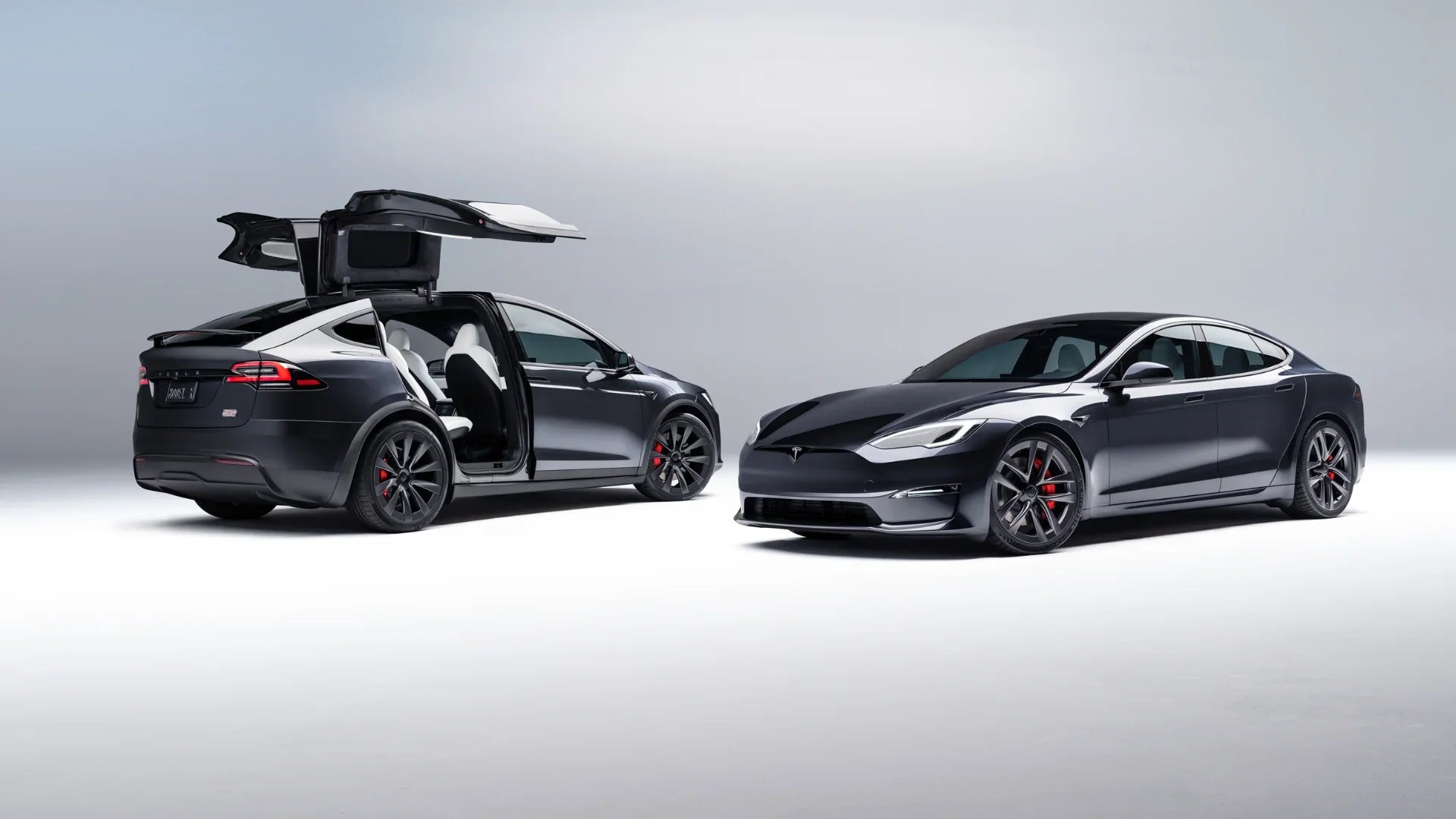
Tesla Q1 2026 Deliveries Miss Forecast Despite Growth

Tesla Q1 2026 Deliveries Miss Forecast Despite Growth

Tesla’s Q1 2026 deliveries reached 358,023 units, below expectations despite year-over-year growth. Strong competition and a limited new product pipeline may impact its market lead.


Read more

Uber Expands EV Incentives to All U.S. Drivers

Uber Expands EV Incentives to All U.S. Drivers

Uber now offers a $4,000 EV grant to drivers across the U.S., alongside discounts from Kia and TrueCar. The move aims to boost EV adoption as federal incentives decline.


Read more

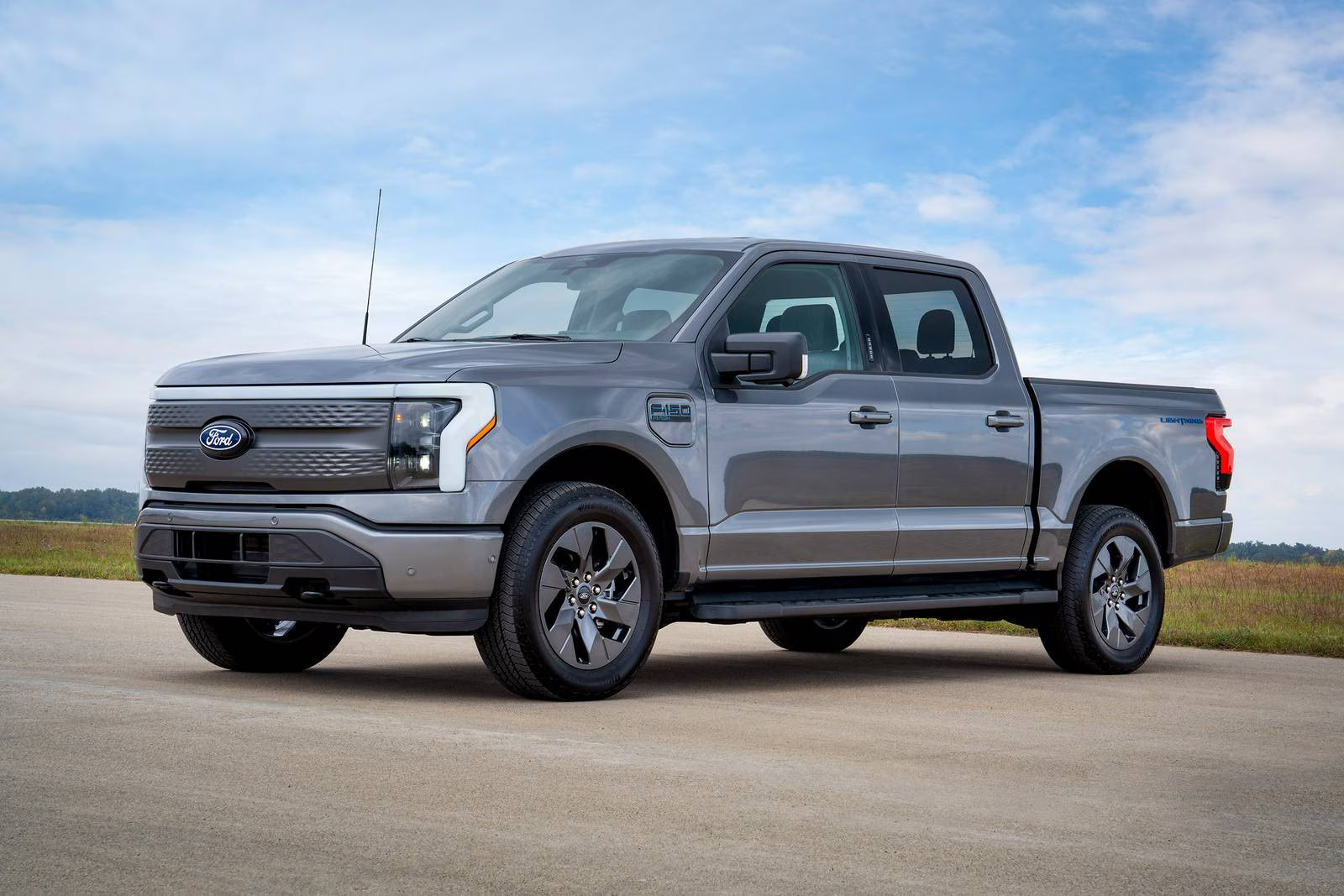
Ford Plans Budget EV to Rival Model 3 and Model Y

Ford Plans Budget EV to Rival Model 3 and Model Y

Ford is developing a budget-friendly EV to rival Tesla’s Model 3 and Model Y. Built on a new platform with LFP batteries, it reflects a shift toward affordable, scalable electric vehicles.


Read more